

Surfing in Gold Coast: The Superbank and When to Go
17 September 2026
· By the HiyaGuide team
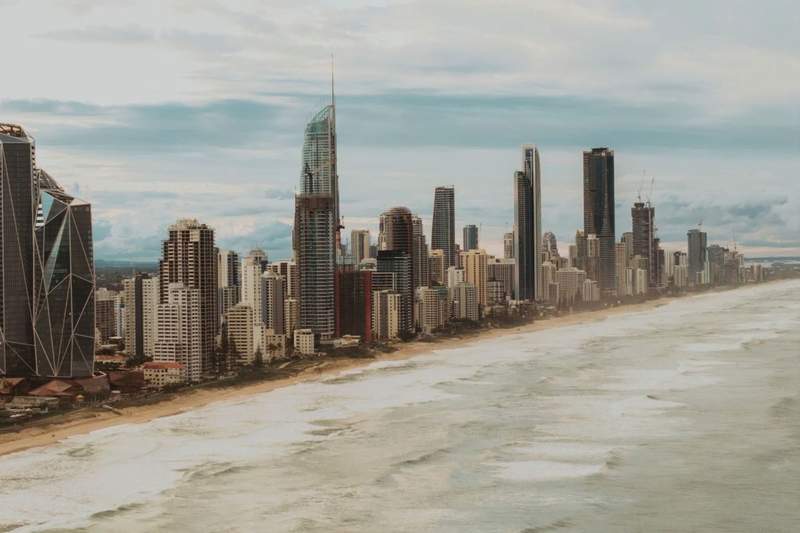
Photo by Parth Patel on Pexels
Gold Coast surfing means point breaks first: the Superbank runs from Snapper Rocks through Rainbow Bay and Greenmount to Kirra, a man-made sandbank capable of holding a single rideable wave for the best part of two kilometres, and Burleigh Heads adds a right-hander many rate the best wave in the world on its day. Beach breaks around Surfers Paradise give the points' softer alternative. Water stays warm most of the year; autumn and winter bring the biggest, most reliable swells, summer the gentlest.
Why Gold Coast is one of the world's best places to surf
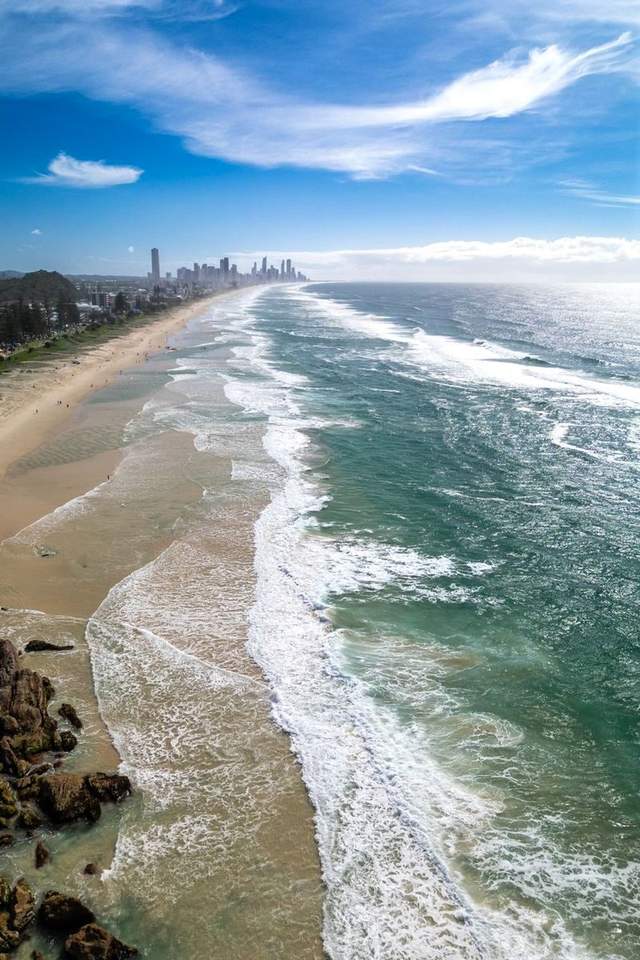
The stretch from Burleigh Point to Snapper Rocks is a recognised World Surfing Reserve, and the reason is concentration: few coastlines pack this many high-quality point breaks into sixteen kilometres. The Superbank is the headline act — a sand-pumping operation at the Tweed River mouth keeps a continuous, man-made bank running from Snapper Rocks through Rainbow Bay and Greenmount to Kirra, and on the right swell a single wave can be ridden almost the entire way. Snapper Rocks on its own is one of the most consistent breaks in the state. Burleigh Heads, a separate headland point a short drive south, produces long, peeling right-handers that regulars call the best wave on the coast when it is working. Between the points and the open beach breaks further north, there is a wave here for nearly every level — the trick is knowing which one on which day.
Point breaks or beach breaks: how it works here
The coast splits into two very different kinds of wave. The points — Snapper Rocks, Kirra and Burleigh Heads — are long, walled-up rides that reward positioning and patience; they are also the most crowded water in the country on a good day, which makes them a harder place to learn than to watch. Duranbah, tucked against the Tweed River mouth near the border, is a punchy, peaky beach break that stays rideable even when the points go flat, though it draws a crowd of its own. The open beach breaks running north from Surfers Paradise to Broadbeach are the forgiving option: softer, more spread out, and patrolled, which is where most lessons and first sessions actually happen. A realistic plan uses both — beach breaks to build the basics, points once positioning and paddling are solid.
When to paddle out
| Season | Conditions | Who it suits |
|---|---|---|
| Summer (Dec–Feb) | Warm water, smaller and more forgiving swell | First-timers and anyone building basics |
| Autumn (Mar–May) | The most reliable swell window, building size | Intermediate surfers chasing consistency |
| Winter (Jun–Sep) | Biggest, most powerful swells; cooler air, still mild water | Experienced surfers after the points at their best |
| Spring (Sep–Nov) | Often smaller and wind-affected by onshore breezes | A quieter, patchier window — good for flexible trips |
Autumn through winter is when the points fire hardest, while summer's smaller swell is genuinely kinder to a first-timer. Check the Bureau of Meteorology's Gold Coast Waters forecast before heading out — wind direction decides more about a session's quality here than swell size does, and mornings are consistently calmer than afternoons once the sea breeze fills in.
What a guide adds in a lineup like this
A map makes the Superbank look like one long, welcoming wave. In the water it is one of the most contested lineups in the country — hundreds of surfers can be spread across Snapper Rocks and Kirra on a good day, and priority is earned, not assumed. Getting a fair share of waves without becoming the surfer everyone avoids is a skill in itself, and a guide who surfs here regularly reads it instantly: which section is working, where the rip is running the sand back out (the main hazard on this coast, and worth taking seriously — see Surf Life Saving's guide to rip currents), and which quieter point or beach break is the better call when Snapper is overrun. That local judgement is what turns a visit into more than a few whitewater waves and a long paddle back.
Costs and how a lesson day works
A first lesson typically runs two to three hours on a soft-top board in the gentler beach-break whitewater, in a small group or one-on-one. Board, wetsuit or rashie and a safety briefing are usually included, so the only real decision is group size versus a private session. A short course over three or four days — rather than a single one-off lesson — is what actually moves the needle, since each session builds on the timing and paddling learned the day before. Board and wetsuit hire is widely available for anyone already competent enough to head out solo on a beach break.
Beyond the break: what else the coast offers
The same coastline that makes the surf good supports plenty else on the water: paddleboarding on the calmer waterways behind the beaches, kitesurfing when the trade winds fill in, and scuba diving on wrecks and reefs offshore. For a rest day off the water, tandem skydiving over the coastline gives the same points and sandbanks a completely different view, and the hinterland behind the beaches carries a string of well-regarded golf courses. It rounds out a trip that never has to leave the same stretch of coast to change pace.
Your first surf day — the day plan
A well-run first day on this coast, from dawn to dark:
| Time | The plan |
|---|---|
| 5:30–6:00am | Check the wind and swell forecast; paddle out at a beach break before the crowd builds |
| Morning | Guided lesson or session — beach break for a first-timer, a mellower point once basics are solid |
| Midday | Break for food and rest; onshore wind usually picks up by now |
| Early afternoon | Second session if the wind has stayed light, or dry time exploring the coast |
| Evening | Dinner looking back over the break you surfed that morning |
Book the first morning of a trip for a lesson if only one session fits — it is consistently the calmest water of the day — and keep a spare morning free in case wind or swell pushes it back.
Frequently asked questions
Is the Gold Coast good for beginner surfers?
Yes, if the trip starts on the right wave. The open beach breaks from Surfers Paradise to Broadbeach are soft, patrolled and forgiving, and most lessons run there. The famous points — Snapper Rocks, Kirra, Burleigh Heads — are a different story: fast, crowded and better suited to a surfer with some experience already banked.
What is the Superbank?
A man-made sandbank at the Tweed River mouth, kept in shape by a sand-pumping operation, that links Snapper Rocks through Rainbow Bay and Greenmount to Kirra into one continuous point. On the right swell it produces rides of close to two kilometres, making it one of the most celebrated waves in the world.
When is the best time to surf the Gold Coast?
Autumn and winter (March to September) bring the biggest, most reliable swells and suit experienced surfers best. Summer (December to February) is smaller and more forgiving, which makes it the kinder window for beginners. Spring can be patchy, with onshore winds more likely to spoil a session.
Do I need a guide to surf here?
Not for a gentle beach-break session in small summer swell — that is manageable solo with some ocean confidence. For the points, or for a first visit to this coast at all, a guide is worth it: reading the Superbank's shifting sandbanks, the rip currents, and a genuinely contested lineup is not something a first-timer picks up in an afternoon.
Is Snapper Rocks safe for visitors?
Physically, yes, with normal beach precautions — rip currents are the real hazard on this coast, not the waves themselves, so checking conditions via Beachsafe before entering the water matters. Socially, it is one of the most crowded and competitive lineups in the country, and a visitor unfamiliar with the pecking order is better off elsewhere until they've watched a session or two.