

Sydney or Gold Coast for Surfing?
1 September 2026
· By the HiyaGuide team
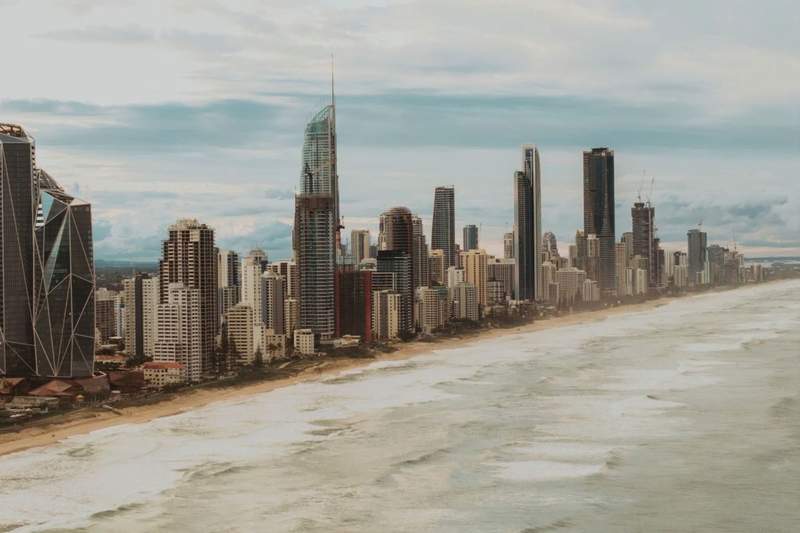
Photo by Parth Patel on Pexels
The Gold Coast wins for wave quality — its point breaks are genuinely world-class and the water is warm year-round — so it's the better pick if surfing is the whole point of the trip. Choose Sydney instead if the trip is about more than surfing: it packs more surf beaches into one city than anywhere else in Australia, all beginner-friendly beach breaks, all a short ferry or bus ride from a global city. Both are excellent; they suit different trips.
How they compare
| Sydney | Gold Coast | |
|---|---|---|
| Wave style | Beach breaks, dozens of them | World-class point breaks and the Superbank |
| Peak season | Winter (Jun–Aug), best swell and consistency | Summer/autumn (Jan–Apr), warmest water and steady groundswell |
| Water temperature | 17–24°C — a wetsuit is needed May to September | 21–26°C year-round — boardshorts most months |
| Crowds and localism | Busy at the popular breaks, especially weekends | Busy at the famous points, particularly the Superbank on a good swell |
| Who it suits | Beginners, families, a city trip with surfing on the side | Surfers who want to chase genuinely great waves |
Sydney: a surf beach for every mood
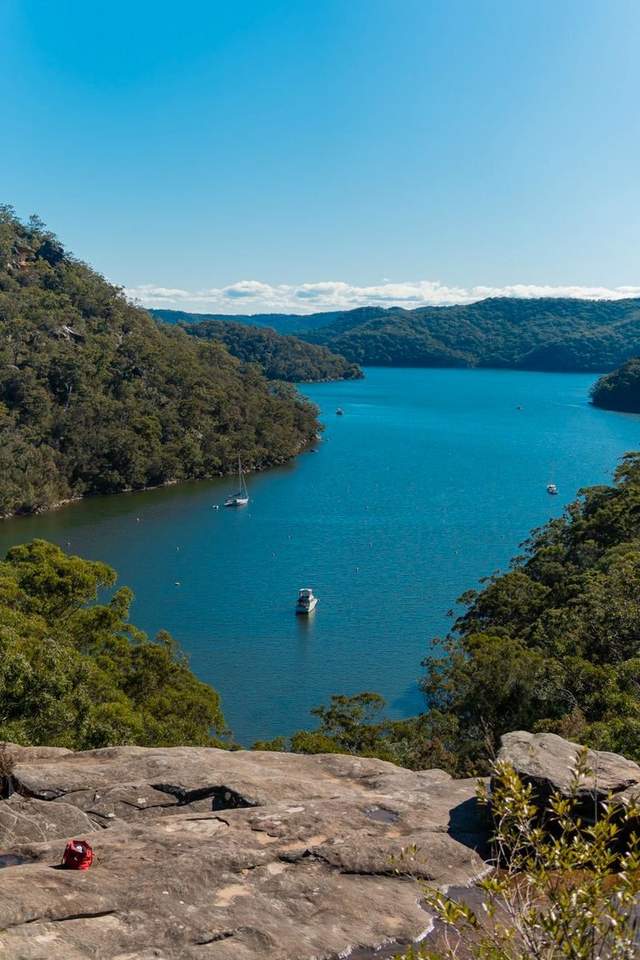
Sydney has around 30 ocean surf beaches, and that sheer number is the city's real advantage: Bondi, the country's most famous stretch of sand, is a reliable, forgiving beach break where a first-timer and a seasoned local can share the same peak. Manly, on the harbour side of the headland, is consistent and easy to reach by ferry, with surf schools lined up along the Corso. Bronte breaks punchy and close to shore for surfers who want more power, and Maroubra — a National Surfing Reserve since 2006 — has serious, hollow waves that draw committed surfers year-round. No other Australian city puts this much variety within a single day's reach.
Gold Coast: the point-break capital
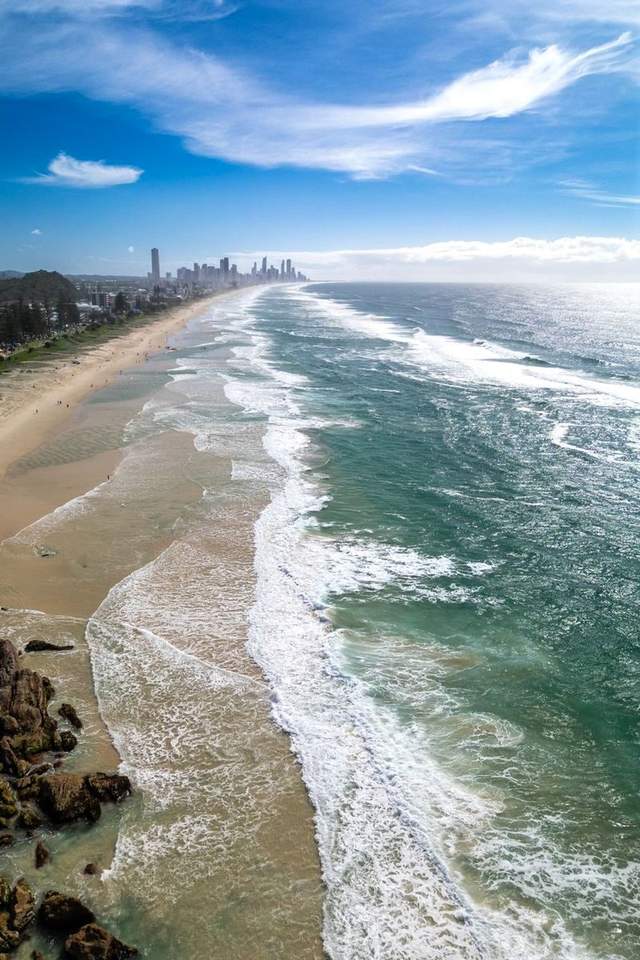
The Gold Coast's reputation rests on one extraordinary stretch of coast: the Superbank, a man-made sandbank running from Snapper Rocks through Rainbow Bay and Greenmount to Kirra, capable of rides up to 1.5 kilometres on the right swell — among the longest waves anywhere in the world. Snapper Rocks delivers long, powerful right-hand barrels for advanced surfers; Kirra is famous for hollow, fast tube rides; and Burleigh Heads, at the northern end of the World Surfing Reserve, is regularly called one of the best point breaks on the planet on its day. This is a coast built for surfers who already know what a good wave feels like and want more of them.
Which one fits your trip
Choose Sydney if
You're combining surfing with a city trip, you're learning or bringing family, or you want the flexibility of dozens of beaches to choose from depending on the day's wind and swell. Sydney's beach breaks are also more forgiving of an off day — a flat morning at one beach often means good waves twenty minutes away at another.
Choose Gold Coast if
Wave quality is the trip. The point breaks reward the surfers who show up for them specifically, and the warm water year-round means you can plan a surf trip almost any month without worrying about a wetsuit.
What a guide unlocks here
Both coasts reward local knowledge more than their reputations suggest. In Sydney, a guide knows which of the thirty-odd beaches is firing on a given wind and swell direction — the difference between a flat, blown-out session and a clean one is often a fifteen-minute drive, and only someone who surfs the city daily knows which way to go. On the Gold Coast, the stakes are different: the famous point breaks are also the most crowded and most localised waves in the country, and a guide who knows the etiquette, the right tide for each break, and which sections are realistic for your level is the difference between getting waves and sitting wide watching everyone else get them. Neither coast is unsurfable without a guide — but a lesson compresses months of trial and error into a single session, on either coast.
Costs and logistics
Group lessons and board hire are widely available in both cities, and a half-day format — an hour or two of instruction plus supervised practice — is the standard way to start on either coast. Sydney's surf schools cluster around Manly and Bondi, both easy to reach without a car. Gold Coast lessons are concentrated around the beginner-friendly beach breaks north of the points, since the Superbank and its neighbours are experienced-surfer territory, not learner waves. Check conditions before heading out either way — the Bureau of Meteorology's coastal waters forecasts cover swell, wind and tides for the Sydney coast, and Surf Life Saving Australia publishes safety information and patrol times for beaches nationwide.
Your surf day: the day plan
A well-run beginner-to-intermediate surf day on either coast:
| Time | The plan |
|---|---|
| 6:30 | Check the forecast and swell direction, then pick the beach or break |
| 7:00 | Dawn session — light wind, thinner crowds, the best water of the day |
| 9:00 | Breakfast near the beach; wax up for round two if conditions hold |
| 10:00–12:00 | A guided lesson or supervised practice session if it's a first time out |
| Afternoon | Rest, or a second surf if the sea breeze hasn't ruined it — check before paddling back out |
| Evening | Debrief over dinner; book tomorrow's session around the forecast, not the clock |
Book an early slot on both coasts — wind tends to ruin the surf by midday on Sydney's beach breaks and by mid-morning on the Gold Coast's points once the sea breeze fills in.
Frequently asked questions
Which is better for surfing, Sydney or Gold Coast?
For wave quality alone, the Gold Coast — its point breaks, especially the Superbank, are genuinely world-class and hard to match anywhere in Australia. For overall trip value, especially with family or as part of a wider city visit, Sydney's dozens of beach breaks and easy access make it the more practical choice. Neither is objectively "better" — it depends on whether the trip is built around surfing or includes it.
When is the best time to surf in Sydney?
Winter, from June to August, brings the most consistent swell and the best wave quality, though the water drops to around 17°C and a wetsuit is essential. Autumn, March to May, is a strong shoulder season — warmer water, thinning crowds, and still-solid surf. Summer is the most crowded and least consistent season for swell.
When is the best time to surf on the Gold Coast?
January to April is peak season, with February and March typically the most consistent stretch on the southern points. Groundswells arrive from November through July, and the water stays warm enough for boardshorts most of the year, which makes the Gold Coast a reliable surf trip destination outside its official peak too.
Are the Gold Coast's point breaks suitable for beginners?
Not the famous ones. Snapper Rocks, Kirra and the Superbank are fast, powerful and crowded with experienced, often local surfers — a difficult and sometimes unsafe place to learn. Beginners on the Gold Coast do far better at the gentler beach breaks north of the points, ideally with a lesson, before working up to the points as skill and wave judgement improve.