

The Best Places for Surfing in Australia
1 September 2026
· By the HiyaGuide team
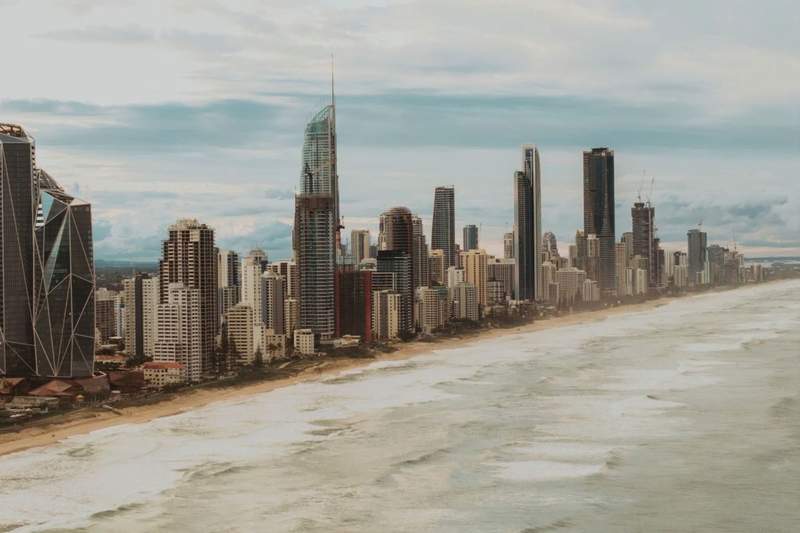
Photo by Parth Patel on Pexels
Australia's best surfing splits cleanly by what you want from it. The Gold Coast is the standout all-rounder — warm water, learner-friendly beaches and the Superbank, one of the longest waves on the planet. Torquay's Bells Beach carries the sport's history, Margaret River its heaviest reef breaks, and Noosa and Byron Bay its most graceful longboard points. Sydney and Newcastle prove you don't have to leave a city to surf well. Pick by skill and season, not postcode.
How the seven compare
| Base | Signature break | Character | Best months |
|---|---|---|---|
| Gold Coast | Snapper Rocks / Superbank | Long sand-bottom points plus learner beaches, warm water | December to May |
| Torquay | Bells Beach | Powerful cold-water reef, the sport's heritage site | March to May |
| Margaret River | Main Break | Heavy Indian Ocean reef breaks for experienced surfers | April to September |
| Noosa | First Point to Granite Bay | Mellow right-hand points, longboard heaven | December to April |
| Byron Bay | The Pass | Peeling point break in a slow-paced surf town | February to June |
| Sydney | Manly, Bondi, Maroubra | Reliable urban beach breaks for every level | March to May |
| Newcastle | Merewether | Consistent beach breaks with serious pedigree | March to August |
The pattern worth noticing: the further south and west you go, the colder and heavier the waves get. Queensland and northern New South Wales run on warm-water points fed by summer cyclone swell; Victoria and Western Australia run on ocean groundswell that peaks from autumn into winter.
Gold Coast — the Superbank and the easiest learning curve in the country
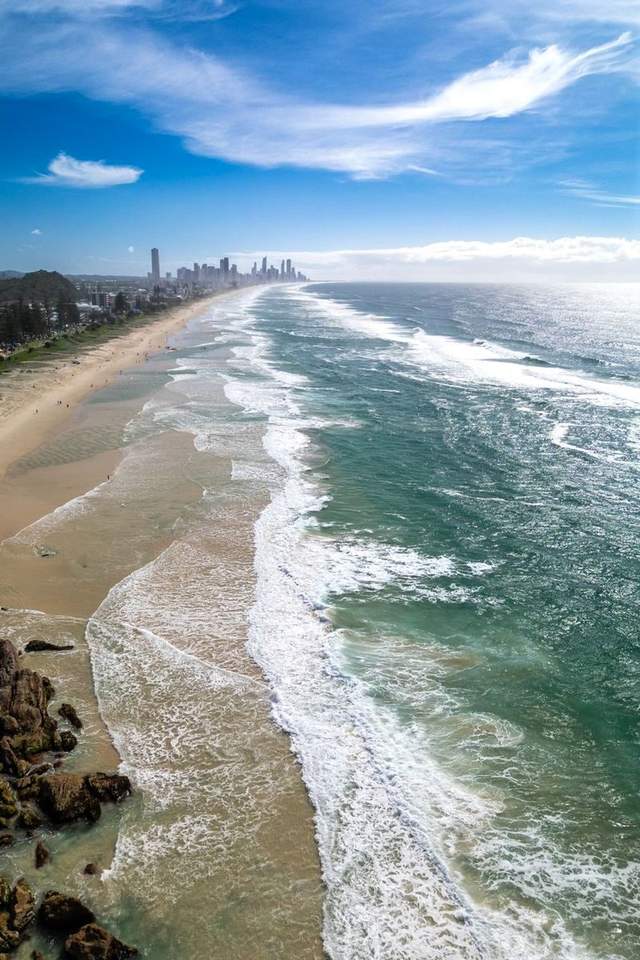
No stretch of Australian coast packs in more quality surf. The southern end is a World Surfing Reserve running roughly sixteen kilometres from Burleigh Point to Snapper Rocks, and it holds the famous names: Snapper Rocks feeding the Superbank — a sand-bottom point that can link rides of several hundred metres towards Kirra on the right swell — and Burleigh Heads peeling along its national-park headland. Cyclone season, December through May, brings the banks to life.
The same coast is also the country's most forgiving classroom, with long patrolled beaches and gentle inside banks. Start with how to start surfing on the Gold Coast, and see the wider city at Gold Coast.
Torquay — Bells Beach and surfing's longest-running contest
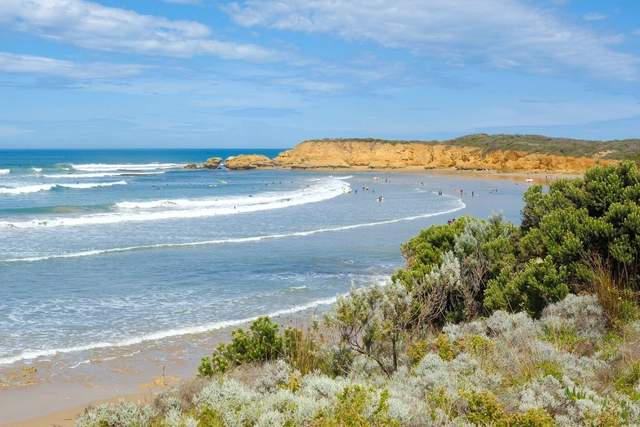
Torquay, at the start of the Great Ocean Road, is the closest thing the sport has to a home town in Australia. Bells Beach — a protected surfing recreation reserve just outside town — has hosted a contest every year since 1962, now the Rip Curl Pro, the longest-running professional surfing competition in the world, traditionally decided over Easter. The wave itself is a broad, powerful reef that stands up best on the autumn groundswells of March to May.
The water is cold and the swell has real push, so this is a trip for surfers with some experience — Parks Victoria's surfing pages cover the surrounding coast. More on the town at Torquay.
Margaret River — Main Break and 75 waves of consequence
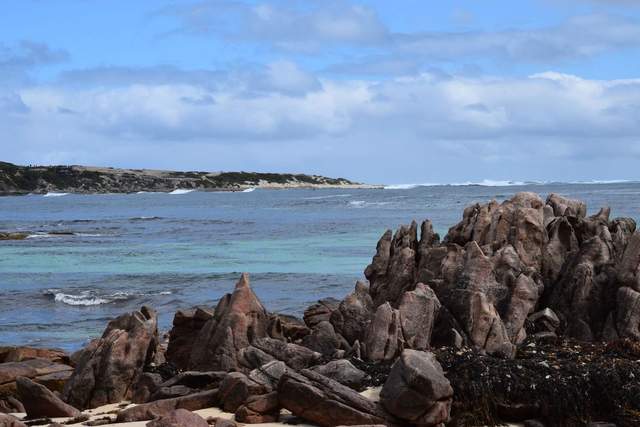
Margaret River is Australia's serious surf region: some 130 kilometres of coastline and more than 75 breaks, most of them reef, fed directly by Indian and Southern Ocean storms. Main Break at Surfers Point is the centrepiece — a world-tour venue that can hold waves well overhead — and the swell machine runs most reliably from April to September. This is the entry on this list that genuinely demands experience; the power and the reef leave little room for guesswork.
Much of the surf coast sits inside Leeuwin-Naturaliste National Park, which is worth a day even when the swell drops. The full picture is at Margaret River.
Noosa — five points inside a national park
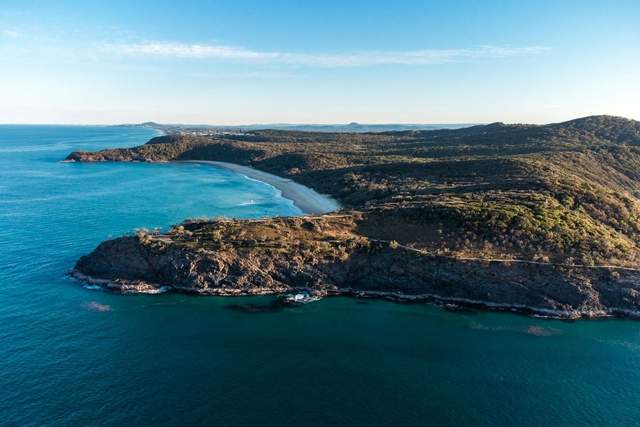
Noosa is a designated World Surfing Reserve for a reason: a chain of right-hand point breaks — First Point, Johnsons, National Park, Tea Tree Bay and Granite Bay — wraps around the Noosa National Park headland, each one a long, even wall made for longboards and smooth, unhurried surfing. First Point, at the town end, is one of the friendliest waves in the country when small; the outer points reward the walk through the park when a summer or autumn swell arrives.
Consistency is the honest trade-off — Noosa needs east or north-east swell to fire, so December to April is the window. Town details at Noosa.
Byron Bay — The Pass and the long right-hander
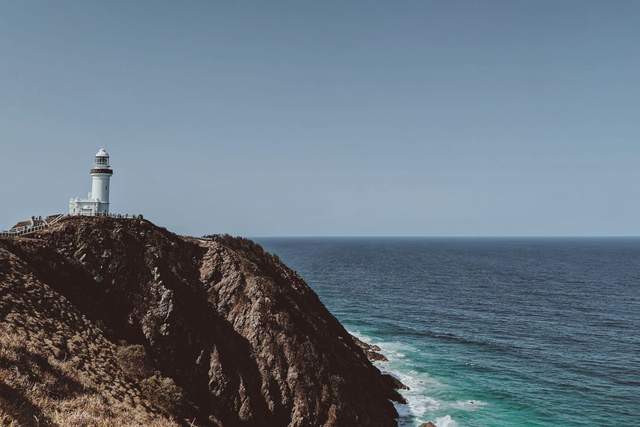
Byron Bay's reputation rests on The Pass, a sand-bottom point where rides can run 200 metres on the right day — the kind of wave that hooks longboarders for life. The surrounding beaches add enough variety for a full week, and the town's unhurried culture is half the reason people stay longer than planned. Late summer through autumn, roughly February to June, brings the cleanest mix of swell and offshore winds.
Expect crowds at The Pass whenever it's working; patience and good line-up manners go a long way. More at Byron Bay.
Sydney — real waves inside a major city
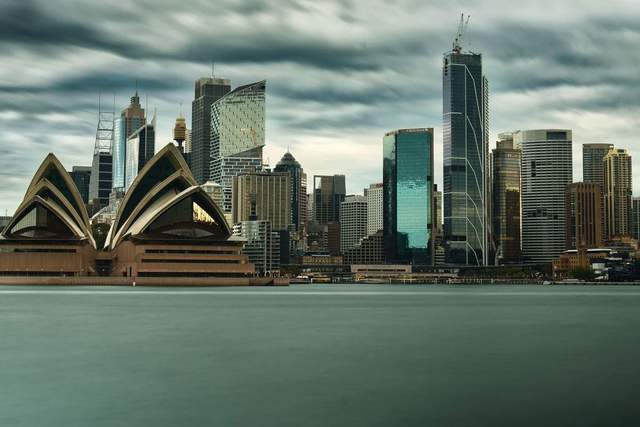
Sydney is the best big-city surfing on this list. Manly offers cruisy learner waves at its southern end and punchier peaks to the north, Bondi delivers dependable beach-break surf minutes from the centre, and Maroubra — the first declared surfing reserve in New South Wales — gives more space and a bit more punch. Autumn, March to May, is the sweet spot: groundswell stacks up, winds ease, and the water is still warm from summer.
It's the pick for anyone fitting surf around a city trip rather than building the trip around surf. More at Sydney.
Newcastle — Merewether and a working surf city
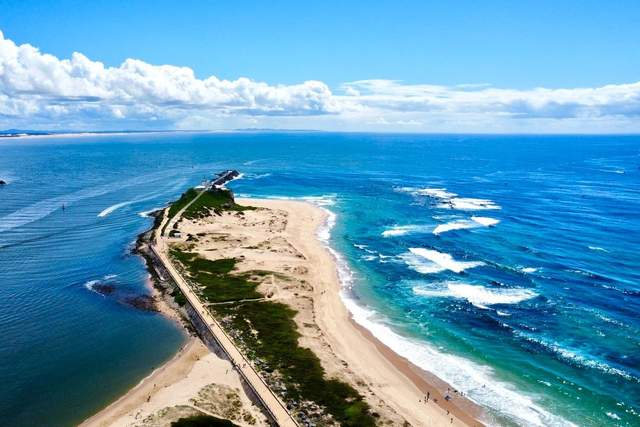
Two hours north of Sydney, Newcastle is the sleeper on this list. Merewether Beach, a declared National Surfing Reserve since 2009, produced four-time world champion Mark Richards and hosts Surfest, Australia's largest surfing festival, each summer. The beach breaks are consistent, uncrowded by Sydney standards, and honest — proper waves for surfers who want water time rather than a scene, with the strongest, cleanest swell in autumn and winter.
Details on the city at Newcastle.
What a guide unlocks in the water
Australian surf punishes guesswork. Rips run hardest exactly where the water looks calmest — they remain the biggest killer on the country's beaches, which is why Beachsafe, Surf Life Saving Australia's beach directory, exists to show which beaches are patrolled and what's running today. A guide or coach solves the two problems that stall every visiting surfer: being on the right beach at the right tide instead of the famous one at the wrong time, and reading a break's hazards before paddling out rather than after.
The calculus shifts by destination. On the Gold Coast, Sydney and Noosa, a lesson mostly buys faster progression — correctly timed waves, honest feedback, boards and wetsuits you didn't fly with. At Margaret River and around Bells, guided time is closer to a safety requirement: reef breaks with real consequence are not places to learn a line-up by trial and error. Everywhere, a local guide's morning read of banks, wind and tide is the difference between a session and a story. Browse the sport at the surfing hub.
How we chose this list
"Best" here means best surf trip, not just best wave: each base had to offer a genuine, verified standing in Australian surfing — a break of international reputation, a surfing reserve, or a professional contest pedigree — plus enough range for a multi-day stay. We ranked on wave quality and variety first, then seasonal reliability and access, drawing on Tourism Australia's surfing guide and state park sources. The list is limited to destinations we cover as bases; remote strike missions are outside its scope.
A one-week itinerary
A week that follows the warm-water coast, with the cold-water pilgrimages saved for a dedicated trip:
| Day | Base | The plan |
|---|---|---|
| 1–2 | Gold Coast | Two guided sessions on the learner banks, then watch the locals thread Snapper Rocks at dawn |
| 3 | Gold Coast | Surf Burleigh Heads or the Superbank yourself if your level allows; otherwise a third coached session |
| 4 | Byron Bay | An easy drive south; longboard day at The Pass around the mid-tide window |
| 5 | Noosa | Head north; walk into Noosa National Park and surf Tea Tree Bay or First Point |
| 6 | Sydney | Fly down; coached session at Manly or Maroubra to finish on a wave count |
| 7 | Sydney | Buffer day — chase whichever beach the morning wind favours, or rest the shoulders |
Book guided sessions for the first two days before you fly; the rest of the week reads better once a coach has fixed your pop-up and your wave judgement.
Frequently asked questions
Where is the best place to learn to surf in Australia?
The Gold Coast. It combines warm water most of the year, long patrolled beaches with gentle inside banks, and point breaks like Burleigh Heads to graduate onto — the clearest progression path in the country. Sydney's Manly and Bondi and Noosa's First Point are also excellent for first waves, especially with a lesson to put you on the right bank and tide.
Do I need a guide or surf lesson to surf in Australia?
Beginners should always start with a lesson — rips are the biggest hazard on Australian beaches, and a coach puts you on a patrolled beach at the right tide. Competent surfers can happily self-guide the Gold Coast, Sydney, Noosa and Byron Bay. At Margaret River and around Bells Beach, surfing with a guide or an experienced local is strongly advised: heavy reef breaks punish unfamiliarity.
When is the best time of year to surf in Australia?
It depends on the coast. Queensland and northern New South Wales — the Gold Coast, Noosa, Byron Bay — fire on cyclone and trade-wind swell from December to May. The southern and western coasts — Torquay, Margaret River — run on autumn-to-winter groundswell, roughly April to September. Sydney and Newcastle are most consistent in autumn. Somewhere in Australia is always working.
Is Margaret River suitable for beginner surfers?
The famous waves are not. Main Break and its neighbours are powerful reef breaks that can hold well-overhead surf and demand experience. The region has more than 75 breaks, so guided operators can find protected corners on small days, but beginners get far more from the Gold Coast, Sydney or Noosa before making this trip.
What is Bells Beach known for?
Bells Beach, just outside Torquay in Victoria, has hosted a surfing contest every year since 1962 — now the Rip Curl Pro, the longest-running professional surfing competition in the world, traditionally held at Easter. The wave is a powerful, cold-water reef break inside a protected surfing reserve, best on autumn groundswell and suited to experienced surfers.