

The Best Places to Snorkel in Australia
1 September 2026
· By the HiyaGuide team
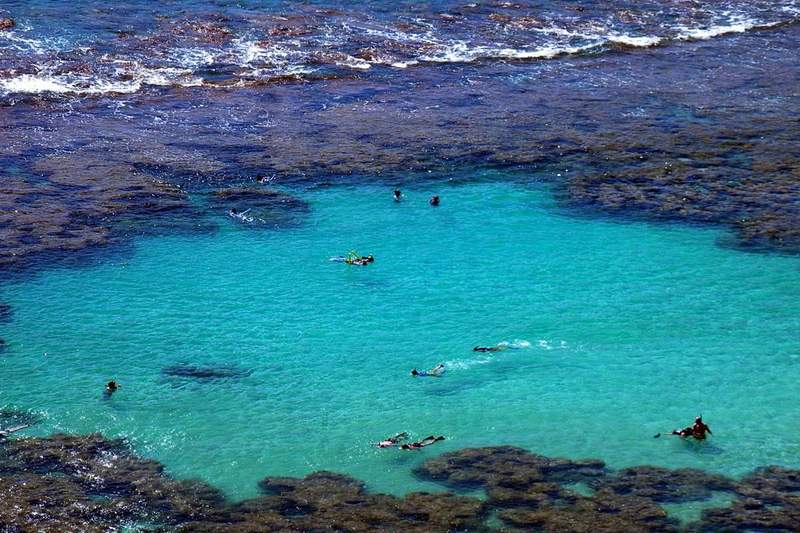
Photo by Michael Rocha on Pexels
Australia has two of the planet's great snorkelling systems — the Great Barrier Reef in the east and Ningaloo Reef in the west — and five towns stand out as bases. Cairns is the pick for choice, value and outer-reef access; Exmouth wins for pure snorkelling, with coral starting metres off the sand; Port Douglas is a quieter, more polished door to the same northern reef; Airlie Beach wraps coral in a sailing trip; and Townsville is the budget sleeper, with marked snorkel trails off Magnetic Island.
How the five compare
| Base | Reef | Style | Best months |
|---|---|---|---|
| Cairns | Great Barrier Reef | Boat trips and pontoons to the outer reef | June to October |
| Exmouth | Ningaloo Reef | Shore entry and small boats | April to October |
| Port Douglas | Great Barrier Reef | Premium small boats, Low Isles lagoon | June to October |
| Airlie Beach | Great Barrier Reef (Whitsundays) | Sailing over fringing reef | June to October |
| Townsville | Great Barrier Reef (Magnetic Island) | Marked snorkel trails, shore and ferry | June to October |
The east-coast bases share a reef and a season; the real decision there is atmosphere and format. Exmouth is the outlier — a different reef, a different coast, and a fundamentally different way of getting in the water.
Why go guided on the reef
Snorkelling looks like the one water sport that needs no help — mask on, face down. On Australia's reefs that logic quietly costs you the trip. The difference between floating over average coral and being led to the best bommie within swimming distance is a guide who was there yesterday; the crew member in the water spots the turtle, the octopus and the reef shark you would have drifted straight past, and reads the current that decides whether you spend your energy sightseeing or swimming home. Guides also carry the safety margin: swimmer counts, stinger advice in season, and honest calls about conditions — the Reef Authority's responsible reef practices are exactly the habits a good guide drills without you noticing. Every base on this list runs guided trips as the default; when choosing between two similar boats, choose the one that puts a guide in the water with you rather than leaving you to snorkel off the back.
Cairns: the all-rounder
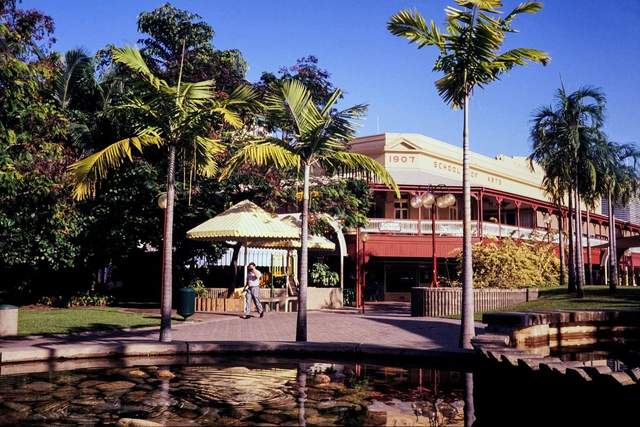
Cairns runs more reef trips than anywhere else in the country, and that competition produces every format at every price: fast catamarans out to outer-reef sites like Moore Reef, Hastings Reef and the seabird sandbar of Michaelmas Cay, family pontoons with slides and underwater observatories, and small-group boats for people who want fewer companions and more time in the water. The clearest water and healthiest coral sit on the outer reef, ninety minutes or so offshore — worth the ride over the closer island options of Green Island and Fitzroy Island, which trade some visibility for shorter travel and suit families and nervous first-timers.
It is also the most connected base — an international airport twenty minutes from the marina — and the town between trips is a proper city, with the rainforest tablelands behind it for the days you want to stay dry. Our full guide to snorkelling in Cairns covers formats, seasons and costs in detail.
Exmouth: Ningaloo, straight off the sand
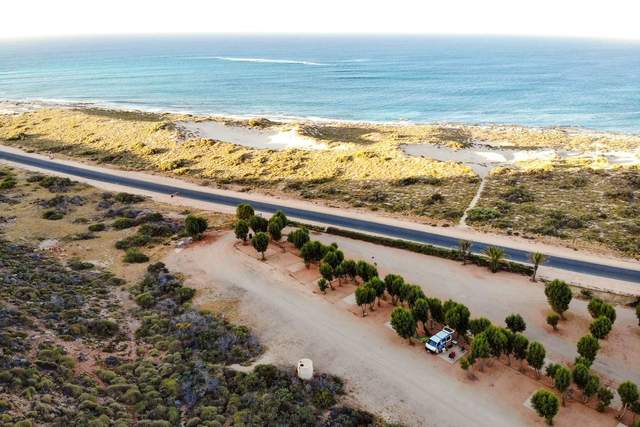
Exmouth sits on World Heritage-listed Ningaloo, one of the largest fringing reefs on Earth, and its defining gift is proximity: the coral starts metres from the beach. The Turquoise Bay drift snorkel in Cape Range National Park is the signature — enter at the southern end, let the current carry you over the coral gardens, and exit before the sandbar, where the park service warns the current strengthens. Nearby Oyster Stacks is the calm, shallow alternative, snorkelled around high tide when there is enough water over the reef. No boat, no schedule, no minimum spend.
Small-boat trips run too, and they are how you meet the region's celebrities: whale sharks from around mid-March into July and often later, humpbacks from midwinter, mantas much of the year. The trade-off is remoteness — Exmouth is a long way from anywhere, the town is small, and April to October is the window. For pure snorkelling, nowhere else in Australia touches it; it rewards travellers who plan the trip around it rather than pass through.
Port Douglas: the quieter door to the same reef
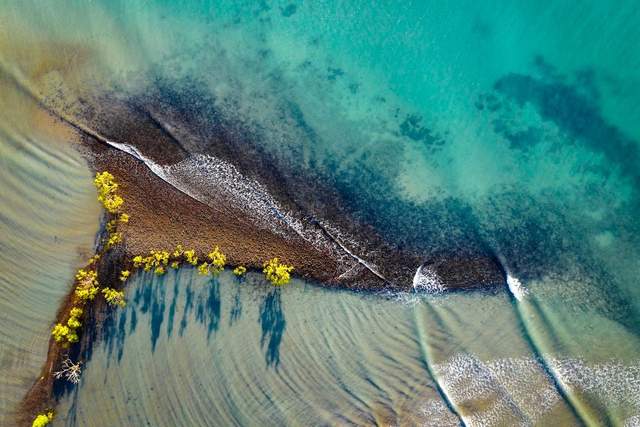
An hour north of Cairns along one of Australia's prettiest coastal drives, Port Douglas fronts the same reef system with a fraction of the traffic. Its boats tend toward the premium end: smaller groups running to the outer-reef ribbons of Agincourt Reef, and gentler days at the Low Isles, a coral cay fifteen kilometres offshore whose sheltered lagoon suits families and first-timers.
Choose Port Douglas over Cairns if you value calm over choice, if you are combining the reef with the Daintree rainforest just to the north, or if you are travelling as a couple rather than a crew. The snorkelling itself is equivalent — it is the town around it that differs.
Airlie Beach: coral under sail
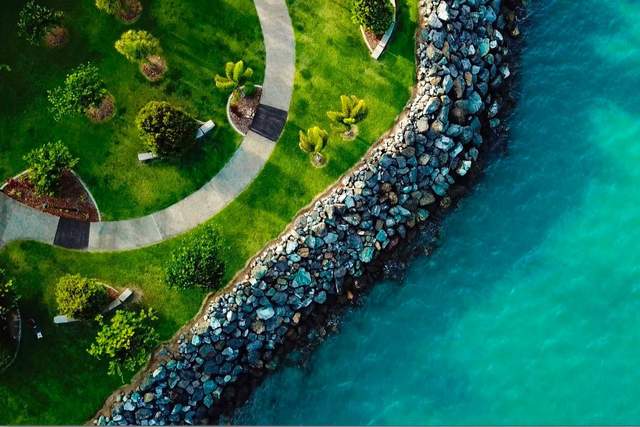
Airlie Beach is the gateway to the Whitsunday Islands, and snorkelling here comes packaged with sailing — day trips and multi-day itineraries that thread between islands, anchoring over fringing reef as they go. The park service rates the snorkelling around Hook Island and Border Island among the region's best — Butterfly Bay on Hook's northern side and Cateran Bay on Border are the names your skipper will use — and most itineraries pair a reef stop with Whitehaven Beach and the Hill Inlet lookout.
The fringing reefs are shallower and more sheltered than the outer reef, which suits mixed-ability groups, and the scenery above the waterline — white-silica beaches, forested islands, turquoise channels — is the best of any base on this list. If the boat matters to you as much as the coral, start here.
Townsville: snorkel trails on a budget
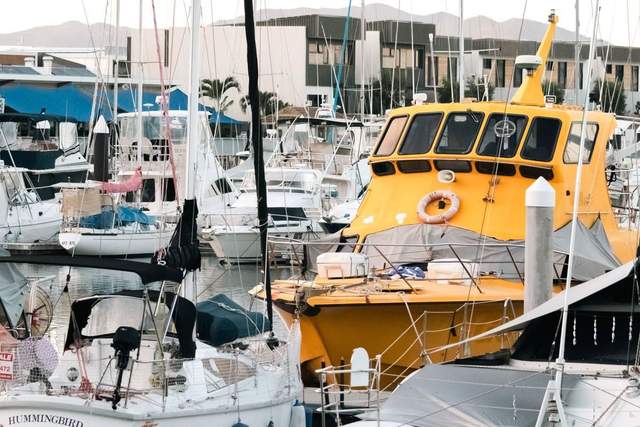
Townsville rarely makes reef shortlists, which is exactly why it belongs on this one. A short ferry ride away, Magnetic Island carries fringing reef you can snorkel from the beach, including two marked snorkel trails: Nelly Bay, a beginner-friendly line of floats a hundred metres offshore, and Geoffrey Bay, a longer swim for confident snorkellers that passes the century-old wreck of the Moltke. The park service also rates the northern sides of Florence and Arthur bays in calm weather, when visibility is best.
This is inshore reef, so expect less clarity than the outer sites off Cairns — but the price of entry is a ferry ticket, and no other east-coast base lets you snorkel real coral without booking a boat. It suits budget travellers, families, and anyone breaking up the coastal drive.
How we chose this list
"Best" here means the quality and reliability of the snorkelling itself — coral health, named sites you can actually reach, and a season you can plan around — weighted by how easy each base makes it for a visitor: guided options, transport links, and things to do on the inevitable weather day. The list is limited to bases with genuine snorkelling pedigree that HiyaGuide covers as destinations; every named site above is verified against park authorities and multiple independent sources, not lifted from brochures. It leans honest on trade-offs: inshore reef is called inshore, remote is called remote.
Which one should you choose?
Choose on the experience, not the coral. Cairns for choice, connections and value; Exmouth for shore entry, big animals and the west-coast wild; Port Douglas for the northern reef with more calm and polish; Airlie Beach for snorkelling woven into a sailing trip; Townsville for reef on a budget. East-coast itineraries can realistically pair two or three — Cairns or Port Douglas plus Airlie Beach slot together naturally, with Townsville between them. Exmouth is its own trip, and worth it.
Whichever base you pick, book guided reef days early in your stay and keep a spare day behind them — weather cancellations happen everywhere, and flexibility turns a lost day into a rescheduled one. You can browse all five bases and everything else there is to do in Australia, or see where else the sport is on offer at our snorkelling hub.
A one-week itinerary
The east-coast reef circuit, at a pace that survives a weather day:
| Day | Base | The plan |
|---|---|---|
| 1–2 | Cairns | A full guided outer-reef day at Moore or Hastings Reef, then a pontoon day for the easy contrast |
| 3 | Cairns | A dry rainforest day in the tablelands — reef eyes need a rest |
| 4 | Port Douglas | The scenic hour north; a small-boat day at Agincourt Reef or the Low Isles |
| 5 | Travel | Down the coast to Airlie Beach; evening on the marina |
| 6 | Airlie Beach | A guided sail-and-snorkel day at Hook Island's fringing reef |
| 7 | Fly out | Keep the morning free — weather-cancelled reef trips rebook onto final days more often than anyone plans for |
Exmouth and Ningaloo are deliberately absent: the west coast is its own trip, built around the whale-shark calendar rather than squeezed into this one. Townsville slots in between days 4 and 5 if you have a spare night.
Frequently asked questions
What is the best place in Australia for first-time snorkellers?
Cairns, for the pontoons. A reef pontoon gives you rails to hold, roped snorkel areas, staff watching the water and a dry platform to retreat to — the gentlest possible introduction to open-water snorkelling, on world-class coral. Magnetic Island's Nelly Bay snorkel trail and Exmouth's calm shore entries at Oyster Stacks are close seconds if either coast is on your route.
When is snorkelling season in Australia?
On the Great Barrier Reef, June to October brings the most settled weather and best visibility, while roughly November to May is stinger season — warmer and wetter, with lycra stinger suits worn in the water, which operators provide. On Ningaloo, April to October is the window, with whale sharks typically arriving from mid-March. There is snorkelling somewhere in Australia in every month of the year.
Is Ningaloo or the Great Barrier Reef better for snorkelling?
For pure snorkelling access, Ningaloo — nowhere on the east coast lets you walk off a beach onto living coral the way Turquoise Bay and Oyster Stacks do. For variety, infrastructure and ease of reaching it, the Great Barrier Reef wins comfortably. Big-animal seekers lean Ningaloo for the whale sharks; families and first-timers lean the east coast.
Do you really need a guide to snorkel in Australia?
For shore sites like Turquoise Bay or Magnetic Island's trails, confident swimmers can self-guide — read the park signage and respect the currents. For everything offshore, yes: reef sites sit kilometres out, conditions change fast, and a guide in the water finds the wildlife and keeps the group honest about distance and fatigue. First-timers should go guided everywhere; the skill transfers to every later trip.
Do I need a wetsuit to snorkel in Australia?
In the tropics, rarely for warmth — water temperatures stay comfortable year-round. In summer on the Queensland coast you will wear a provided lycra stinger suit instead. On Ningaloo, a thin wetsuit or rash vest adds sun protection and buoyancy and is worth having, but plenty of people snorkel comfortably without one.