

Snorkelling in Cairns: Reef, Seasons and How to Do It Right
1 September 2026
· By the HiyaGuide team
Photo by pierre matile on Pexels
Cairns is the busiest gateway to the Great Barrier Reef, and snorkelling is the simplest way to see it: no certification, no course, just a mask and a boat ride. Trips run year-round, the water stays warm even in winter, and operators cater heavily to first-timers. The main choices you face are which part of the reef to visit, what time of year to come, and whether to snorkel from a boat, a pontoon or an island shore.
Why Cairns is a snorkelling town
Most tropical resort towns have a reef somewhere nearby. Cairns has the reef — the city sits directly inshore of a long run of mid-shelf and outer-shelf coral systems, which is why more reef boats leave from here each morning than from anywhere else in Australia. That density works in your favour. Competition keeps day-trip formats varied and standards high, and it means you can choose between big catamarans with marine biologists on board, small-group sailing trips, and everything in between.
Snorkelling in Cairns is boat snorkelling first and foremost. The city's own beaches are muddy and tidal, so almost everyone heads offshore. That single fact shapes the whole experience: your day is structured around a vessel, a crew and two or three moored sites, rather than wandering off a beach whenever you like.
Boat, pontoon or island?
There are three broad formats, and they suit different people.
| Format | Best for | What to expect |
|---|---|---|
| Outer-reef boat trip | Confident swimmers who want the best coral | 90 minutes or more each way, two to three sites, open water |
| Reef pontoon | Families and nervous swimmers | A fixed platform with rails, roped snorkel areas, slides and underwater viewing |
| Island day trip | Mixed groups, non-swimmers | Snorkel straight off the sand, with a beach to retreat to |
The outer reef generally has the clearest water and the healthiest coral, and it is where the guided boat trips go. Pontoons trade a little wildness for a lot of reassurance — you can rest whenever you like, and there is always something to do out of the water. Island trips are the most relaxed of the three: you set your own pace, and the snorkelling starts a few metres from your towel.
When to go
The reef works year-round, but the character of the seasons is different.
The dry season, roughly June through October, brings the most settled weather: lighter winds, cooler air, and reliably good visibility. It is also peak season, so boats are fuller and booking ahead matters. The wet season, from about November through May, is hotter and more humid with a chance of dramatic tropical rain — but the water is at its warmest, and mornings are often glassy calm.
The wet season is also stinger season. From November to May, marine stingers are a real consideration in tropical Queensland, and operators respond by providing full-length lycra suits as standard. Wear one when it is offered. It is not optional theatre; it is how everyone snorkels here in summer.
What you'll see
Even a single day on the mid or outer reef usually delivers the headline cast: dense fields of hard coral, clouds of damselfish and fusiliers, parrotfish grinding away at the reef, anemonefish holding territory, and green sea turtles cruising the bommies. Reef sharks — small, shy and harmless to snorkellers — are a common sight at outer sites. Giant clams, some over a metre across, are a Cairns speciality.
What a guide adds on a reef day
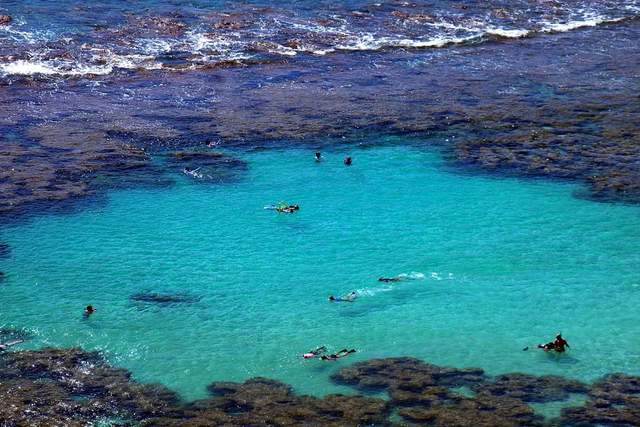
Guides matter more than most first-timers expect, and on the reef the difference is measurable. A guide in the water finds and points out ten times what you would spot alone — the camouflaged octopus, the turtle resting under a ledge, the clam field one bommie over — and the better trips include a guided snorkel safari at no extra cost. Guides read the current before you feel it, position the group so the swim back is downstream, keep the swimmer count, and know which of the day's moorings has the best visibility in that morning's wind. They are also the safety system: stinger advice in season, honest calls on conditions, and eyes on nervous swimmers. If you are choosing between two similar boats, choose the one that puts a guide in the water rather than leaving you to snorkel off the back.
What it costs and how long it takes
A full-day reef trip from Cairns typically runs seven to nine hours door to door, with around four to five hours at the reef across two or three sites. Budget for a mid-range day trip the way you would for a good day tour anywhere: it is not pocket money, but it includes gear, lunch, reef fees and guides. Half-day and island options come in cheaper and suit shorter stays.
If snorkelling grabs you, Cairns is also one of the easiest places in the world to take the next step — scuba diving introductory dives run from the same boats, no certification required, and the city's dive schools are famously good value.
Beyond the reef
Cairns rewards a spare day or two on land. The rainforest hinterland has some of the best short hiking in tropical Australia, with waterfall circuits an hour from town, and the Tully and Barron rivers offer proper white-water rafting. Build a buffer day into your itinerary anyway: reef trips occasionally cancel for weather, and a flexible schedule means a blown-out day becomes a rainforest day rather than a lost one.
For the wider picture of where Cairns sits among Australia's reef towns, see our guide to the best places to snorkel in Australia, or browse everything there is to do in Cairns.
Your reef day: the day plan
What a well-run reef day actually looks like, hour by hour:
| Time | The plan |
|---|---|
| 7:00 | Marina check-in. Sunscreen before boarding — the tropics do not wait for the boat |
| 8:00–9:30 | Steam out to the outer reef. Briefing, gear fitting, stinger suit in season |
| 9:30–11:00 | First site. Join the guided snorkel safari straight away — the guide's first circuit teaches the site faster than an hour alone |
| 11:00–12:30 | Move to the second mooring over lunch on board |
| 12:30–14:30 | Second site: longer, lazier, the one where turtles happen |
| 15:00–16:30 | Return steaming; log the day's sightings with the crew |
| Evening | The Esplanade, dinner, and an early night if tomorrow is a rainforest day |
Book the reef day early in your stay, and keep one spare day behind it — weather rebookings are routine here, and flexibility is what turns a cancelled trip into a rescheduled one.
Frequently asked questions
Do I need to be a strong swimmer to snorkel in Cairns?
No, but you should be comfortable in open water. Every operator provides flotation — noodles, vests and buoyancy aids are standard — and pontoon and island trips offer roped, sheltered snorkel areas where you can always reach a rail or the sand. If you are a genuinely weak swimmer, choose a pontoon trip and tell the crew; they deal with nervous snorkellers every single day.
When is the best time of year to snorkel in Cairns?
June through October offers the most reliable conditions: settled weather, lighter winds and strong visibility. November through May is warmer, wetter and quieter, with stinger suits provided as standard. There is no bad month — the trade-off is settled weather versus warmer water and thinner crowds.
Can I snorkel in Cairns without a boat trip?
Not meaningfully from the city itself — Cairns' own shoreline is tidal mudflat, not reef. The nearest shore snorkelling is off the beaches and islands reached by ferry, where you can swim straight off the sand. For the coral the region is famous for, a boat or pontoon trip to the mid or outer reef is the way to see it.
Is snorkelling on the Great Barrier Reef safe?
Statistically very safe. Trips are heavily regulated, crews count swimmers on and off the water, and conditions are assessed daily. The real risks are the mundane ones: sunburn, dehydration and overestimating your fitness. Wear the stinger suit in season, listen to the briefing, and stay inside the marked areas, and it is as safe as swimming gets.