

How to Start Surfing on the Gold Coast
1 September 2026
· By the HiyaGuide team
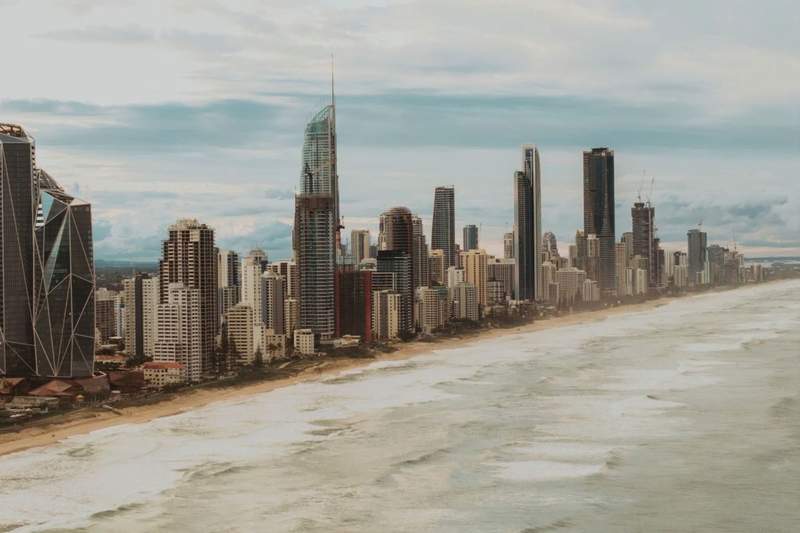
Photo by Parth Patel on Pexels
The Gold Coast is one of the easiest places on earth to learn to surf: fifty-plus kilometres of sandy beaches, warm water year-round, waves nearly every day, and a surf culture built around teaching. A beginner's path is simple — take a lesson on a soft foam board at a gentle beach break, practise in the whitewater until standing up is automatic, then graduate toward the famous points. Here is how each step actually works.
Why the Gold Coast suits beginners
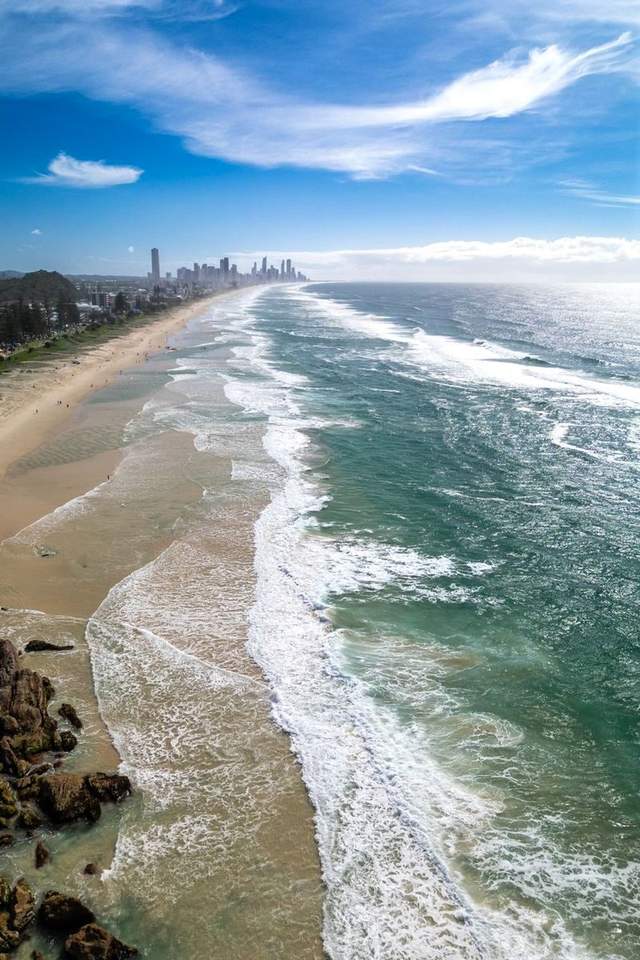
Two kinds of wave define this coast, and both are on a learner's side. The beach breaks — waves peeling over sandbars along the open beaches — provide the soft, forgiving whitewater every first-timer starts in, with sand underfoot and space to spread out. The point breaks — long, orderly waves wrapping around the coast's sandy headlands — are what you graduate to, offering slow, predictable walls that give a new surfer time to think.
Add water that never really gets cold, lifeguard-patrolled beaches, and more surf schools per kilometre than almost anywhere else, and the learning curve here is about as kind as the sport allows.
Start with a guide — really
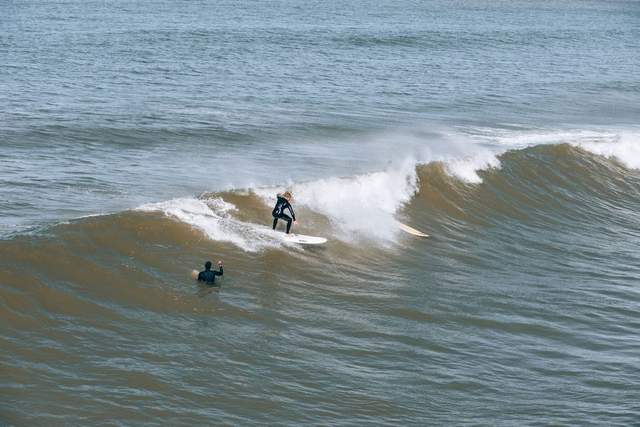
Self-taught surfing is possible; it is also slow, frustrating and occasionally hazardous to bystanders. A guided lesson compresses weeks of trial and error into two hours, and what you are really buying is judgement: a guide picks the right bank on the right tide, pushes you into correctly timed waves, and fixes the two mistakes that stall everyone — looking down, and standing up in stages instead of one motion. A local guide also carries the knowledge no forecast app gives a visitor: which beach is working this morning, where the rips are running, and where a beginner can catch twenty waves instead of two.
Expect a first lesson to run about two hours, on a large soft-top board, in waist-deep whitewater. Most people stand up in their first session here — the conditions are that forgiving. A short course of three to five lessons is the sweet spot: enough coaching to build a real foundation, cheap enough that it costs less than the mistakes it prevents.
The gear, in order of purchase
| Stage | Board | Wetsuit |
|---|---|---|
| First lessons | School's soft-top, 8 to 9 feet | None — boardshorts or a rash vest |
| First own board | Soft-top or longboard, 7 to 9 feet | Spring suit for winter mornings |
| Progressing | Mid-length, then smaller | 2mm steamer covers the coldest months |
The single most common beginner error is buying a short board too early. Volume is your friend: a big, buoyant board catches more waves, and catching waves — not owning cool equipment — is how you improve. Rent or borrow until you know what you like. In water this warm, wetsuits are a comfort decision rather than a survival one; plenty of locals surf in boardshorts most of the year.
When to learn
There is no off-season. Summer, December to February, brings warm water, small friendly swells and crowds; it is peak learning season for a reason. Winter, June to August, offers cleaner, more organised waves, offshore mornings and much more space — with water that merely asks for a light wetsuit. Autumn is the connoisseur's pick: leftover warm water, settling swells, thinning crowds.
Whatever the month, surf in the morning. Wind is the enemy of clean waves, and this coast's mornings are reliably calmer than its afternoons.
Where to go as you improve
Begin on an open beach with lifeguards and gentle banks — the wide, sandy stretches away from the points give learners room and soft waves. As your pop-up becomes consistent and you can angle along a wave's face rather than straight at the sand, the point breaks come into range. Treat them with respect: they are the most crowded, most skilled line-ups on the coast, and dropping in on a local's wave is the fastest way to have a bad day.
Which brings up etiquette — the unwritten half of learning. The surfer closest to the breaking part of the wave has right of way. Don't paddle out through the middle of a line-up. Hold onto your board. Apologise when you get it wrong. A beginner who follows those four rules is welcome almost anywhere.
A realistic path
Give yourself a fortnight of regular sessions to go from never-surfed to catching unbroken waves independently. A typical arc: lessons one to three in whitewater learning the pop-up; sessions four to eight catching your own whitewater waves and starting to angle; from there, out the back on small days, learning to read and catch green waves. Progress is measured in waves caught, so pick the conditions that give you the most of them — small, clean and uncrowded beats big and impressive every time.
When the surf goes flat — it happens even here — the coast has plenty else: paddleboarding on the calm inland waterways, hiking in the green hinterland behind the coast, and everything else on our Gold Coast page. And if you get hooked, the sport travels — see where else it lives at our surfing hub.
Your first week, day by day — the day plan
Seven days from never-surfed to catching your own waves:
| Day | The plan |
|---|---|
| 1 | First guided lesson, morning. Whitewater, big soft-top, first stand-ups |
| 2 | Practise solo on the same bank at the same tide. Nothing new; repetition |
| 3 | Second lesson. The guide fixes what yesterday ingrained wrong — the highest-value session of the week |
| 4 | Rest the shoulders. Watch a point break for an hour; wave-reading is homework too |
| 5 | Rent a board, surf twice: dawn and late afternoon |
| 6 | Third lesson if the budget allows, aimed at catching unbroken waves |
| 7 | Dawn patrol on your own. Small, clean and uncrowded — pick the conditions, not the ego |
Every session in the morning; every session on a patrolled beach. The plan survives a flat day — swap in rest days as the ocean dictates.
Frequently asked questions
How long does it take to learn to surf?
To stand up in whitewater: usually one lesson on the Gold Coast. To catch and ride unbroken waves on your own: two to four weeks of regular practice for most people. To surf the point breaks with confidence: months. The variable that matters most is time in the water — three short sessions beat one long one.
Do I need my own board and wetsuit to start?
No. Surf schools provide boards, and the Gold Coast's water is warm enough that a wetsuit is optional for much of the year. Buy your first board only after several lessons, and make it a big one — a soft-top or longboard with plenty of volume. A spring suit or light steamer covers winter mornings comfortably.
Is the Gold Coast safe for beginner surfers?
By surfing standards, very. The learning beaches are sandy-bottomed, patrolled by lifeguards and surfed year-round. The genuine hazards are rips — learn to spot them, and swim across a rip rather than against it — plus sun and other surfers. Surf between the flags' adjacent surfcraft areas, start small, and take a lesson so someone experienced is watching your first sessions.
What time of year is best for learning to surf on the Gold Coast?
Any month works. Summer has the warmest water and smallest waves but the biggest crowds; winter has cleaner waves, quieter line-ups and cool-but-mild water. If you can choose freely, autumn — roughly March to May — combines warm water, organised swell and manageable crowds.