

Wanaka or Te Anau for Hiking?
10 September 2026
· By the HiyaGuide team
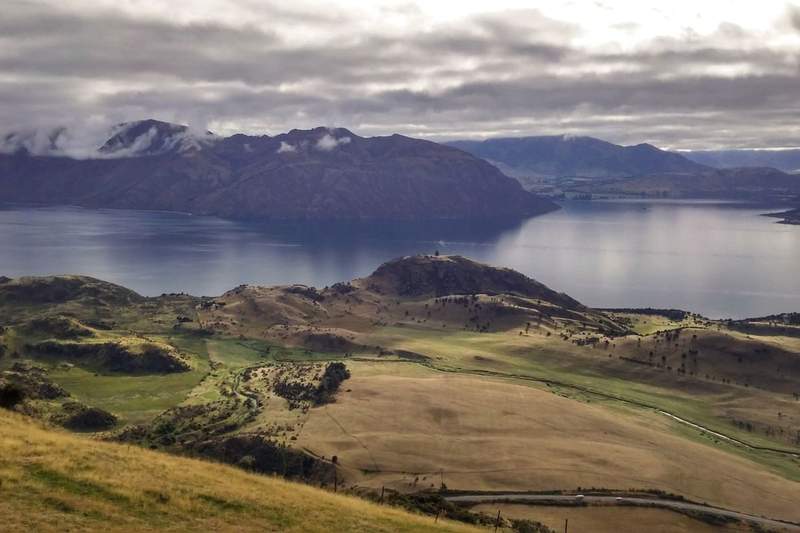
Photo by Baptiste Valthier on Pexels
Te Anau wins on trail quality: it is the base for three of New Zealand's Great Walks — the Milford, Kepler and Routeburn tracks — and nowhere else in the country puts that much multi-day walking within reach of one main street. Choose Wanaka instead if the trip is short, the group wants big views without hut bookings, or a single huge day out matters more than a multi-day carry. The two towns sit roughly three hours apart by road, so a longer trip can realistically take in both.
How the two towns compare
| Wanaka | Te Anau | |
|---|---|---|
| Hiking style | Single-day summits and lake walks | Multi-day Great Walks, plus shorter day sections |
| Signature tracks | Roys Peak, Isthmus Peak, Rob Roy Track | Milford, Kepler and Routeburn tracks |
| Commitment | No booking, self-timed, back by dinner | Huts booked months ahead for the Great Walks season |
| Season | Roys Peak closed 1 October–10 November for lambing; best December–March | Great Walks season runs late October to April |
| Nearest airport | Wanaka Airport, or Queenstown around an hour away | Queenstown Airport, roughly a two-and-a-half-hour drive |
| Town after the walk | Lakeside cafés, wineries, a lively summer scene | Small and quiet, built around the walks and Fiordland's sounds |
The split that matters is commitment: Wanaka's tracks fit into an afternoon flight window either side, while Te Anau's marquee walks want three or four days and a hut booking made the previous winter.
Wanaka: big day hikes without the booking hassle
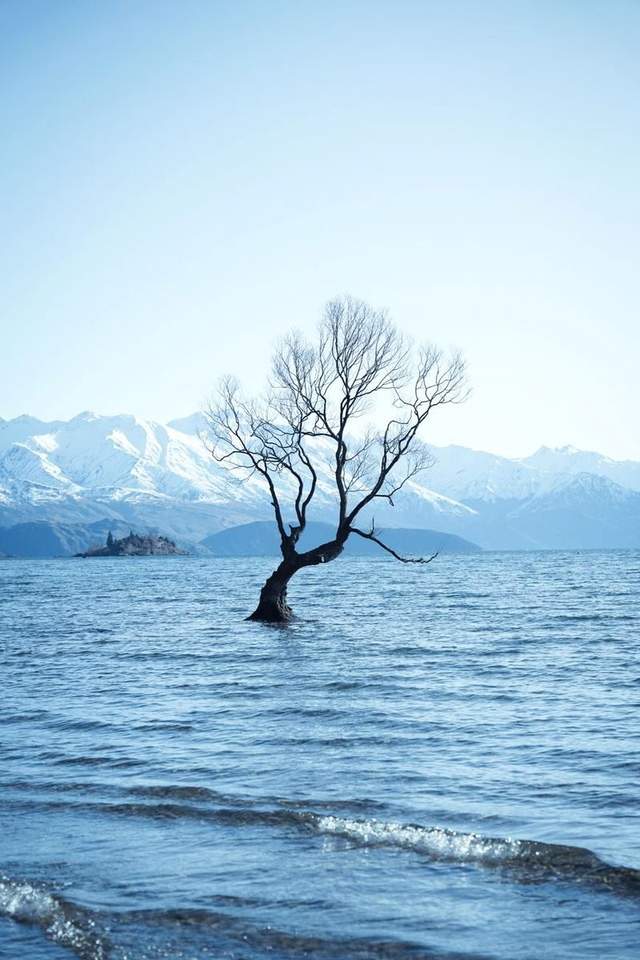
Roys Peak is the reason most walkers come: a 16-kilometre return climb, five to six hours, zig-zagging through farmland to a tussock summit above 1,500 metres with Lake Wanaka and Mount Aspiring laid out below. It closes every year from 1 October to 10 November while the land it crosses is used for lambing, and it draws real queues in summer — sunrise starts and full car parks by mid-morning are the norm, not the exception. Isthmus Peak, between Lakes Wanaka and Hāwea, is a comparable climb with noticeably thinner crowds. West of town, inside Mount Aspiring National Park, the Rob Roy Track is a shorter return walk to glacier and waterfall views, though the upper section is best avoided outside summer because of avalanche paths above the valley. None of it needs a booking — turn up, check the weather, and walk. More at Wanaka and the nationwide hiking hub.
Te Anau: the base for three Great Walks
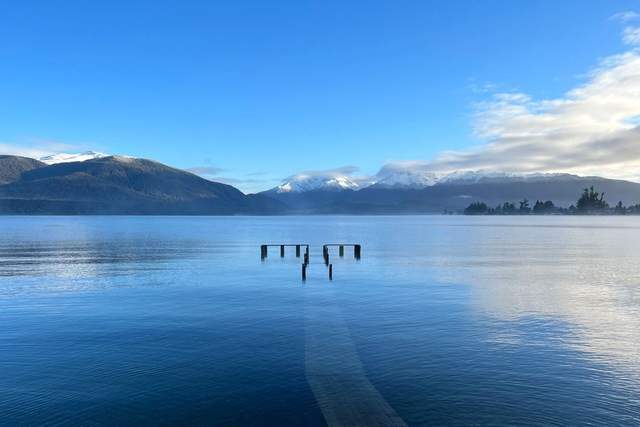
Te Anau sits on the shore of Fiordland National Park and gives access to three of the ten Great Walks: the Milford Track, a four-day, one-way traverse through the Clinton and Arthur valleys often described as the finest walk in the country; the Kepler Track, a loop that starts a few kilometres from town and climbs from beech forest to alpine tussock ridgelines; and the Routeburn Track, which crosses into Mount Aspiring National Park on the Queenstown side. All three run on a booked hut and campsite system for the late-October-to-April season, and huts sell out months ahead. Fiordland is one of the wettest parts of the country, so a forecast of rain is the baseline to plan around, not the exception. Day walkers who cannot commit to a multi-day track still get a genuine taste: the first hour of the Kepler follows the lakeshore from the trailhead near town. See Te Anau for the wider area.
Which one fits your trip
Choose Wanaka if
The trip is short, nobody wants to plan around a hut booking made months in advance, or the goal is one spectacular summit day rather than several days of walking with a full pack.
Choose Te Anau if
The Milford, Kepler or Routeburn tracks are the actual reason for the trip, or multi-day wilderness walking matters more than convenience — and the itinerary has room to book ahead and accept Fiordland's rain.
What a guide unlocks on these trails
Both towns let a fit walker head out alone on the well-marked routes, and plenty do. Where a guide changes the outcome is the terrain that makes each town worth the trip: the avalanche paths above the Rob Roy valley near Wanaka, and the river crossings, one-way logistics and fast-moving Fiordland weather on the Milford and Kepler tracks, all reward judgement built from walking the same ground every season rather than a map read once at home. A guide also strips out the planning that eats the first day of a Te Anau trip — hut strategy, transport timing on a one-way track, what to do if a river rises — so the walking starts sooner and safer. Confident, well-equipped hikers can self-guide either town's graded tracks without trouble; going guided earns its cost most on a first Great Walk, in shoulder-season conditions, or on any route where getting the weather call wrong has real consequences.
The drive between them
The road between Wanaka and Te Anau runs south through Central Otago and Southland farmland before Fiordland's mountains rise ahead, a trip of roughly three hours in good conditions. It is long enough to plan around rather than add as an afterthought — check MetService before setting out, since conditions in Fiordland can shift faster than the forecast updates. Doing both towns in one trip works well as a loop: big day hikes from Wanaka first, then several days based in Te Anau once the legs are warmed up.
Your day on the trail: the day plan
A first day for someone based in the Great Walks town who hasn't committed to a full multi-day track yet:
| Time | The plan |
|---|---|
| 7:00 | Check the forecast and track alerts before breakfast |
| 8:00 | Drive to the Kepler trailhead, a few minutes from town |
| 8:30 | A guided walk along the lakeshore section, with time to talk through hut logistics for a longer trip |
| 12:00 | Lunch back in town, boots off |
| 13:30 | A scenic cruise or short walk near the lake for the afternoon |
| 18:00 | Book Great Walk huts for next season while the details are fresh |
Keep a spare day in the itinerary if the trip allows it — Fiordland's weather can close a trailhead or a road for a day, and that buffer is what turns a washed-out plan into a rescheduled one.
Frequently asked questions
Is Wanaka or Te Anau better for hiking?
Te Anau has the stronger claim on trail quality — it bases three of New Zealand's Great Walks, the Milford, Kepler and Routeburn tracks, which carry genuine international standing. Wanaka wins on convenience: big single-day summits like Roys Peak need no booking and fit around a short trip. Neither is wrong; it depends on whether the walking or the wider trip is the priority.
How far is it between Wanaka and Te Anau?
Around three hours by road, heading south through Central Otago and Southland before Fiordland's mountains come into view. It's a comfortable one-way drive, and doable as a loop that hikes Wanaka's day tracks first and finishes with several days based in Te Anau.
Do I need to book huts for the Great Walks near Te Anau?
Yes. The Milford, Kepler and Routeburn tracks all run on a booked hut and campsite system for the late-October-to-April Great Walks season, and popular dates sell out months ahead. Outside that season the tracks are still walkable but demand alpine skills, river-crossing judgement and self-sufficiency the huts don't provide.
Is Roys Peak in Wanaka worth the crowds?
Most walkers say yes — the summit view over Lake Wanaka and Mount Aspiring is one of the country's most photographed, and the track itself is well graded. Start at sunrise or choose the quieter Isthmus Peak nearby if crowds are the main concern. The track closes every year from 1 October to 10 November for lambing.
Do I need a guide to hike near Wanaka or Te Anau?
Not for the graded, well-marked day tracks in either town — confident walkers manage those alone. A guide earns its cost on Rob Roy's avalanche-prone upper section, on a first Great Walk where hut and transport logistics are unfamiliar, or whenever Fiordland's weather turns and the right call is to change plans rather than push on.