

Queenstown or Wanaka for Skiing?
7 September 2026
· By the HiyaGuide team
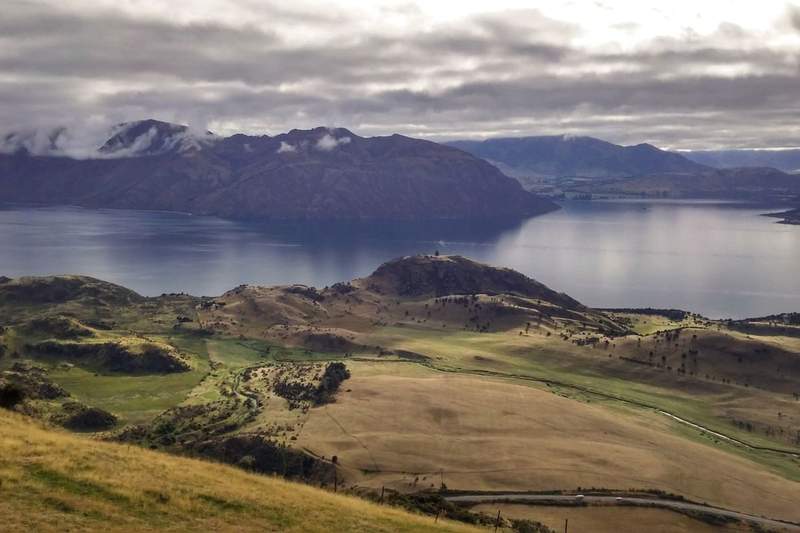
Photo by Baptiste Valthier on Pexels
Wanaka wins on the mountain: Treble Cone's off-piste bowls and big vertical, plus Cardrona's beginner-to-advanced spread, draw skiers chasing bigger terrain and shorter lift queues. Choose Queenstown instead if skiing is one part of a bigger trip — it has two fields of its own, an international airport, and a town built for filling the hours off snow. The two are under an hour apart, so skiing both is entirely realistic.
How the two ski towns compare
| Queenstown | Wanaka | |
|---|---|---|
| Ski fields | Coronet Peak, The Remarkables | Treble Cone, Cardrona |
| Terrain character | Groomed cruisers to wide bowls and chutes | Big vertical and off-piste at Treble Cone; a wide beginner-to-advanced spread at Cardrona |
| Season | Mid-June to early October | Mid-June to early October |
| Drive from town | 20–30 minutes | 25–35 minutes |
| Nearest international airport | In Queenstown | An hour's drive, in Queenstown |
| Town after the lifts close | Bars, restaurants, other adventure sports | Quieter, lakeside, family-paced |
The split that matters: Queenstown is built to be a base for a full holiday that happens to include skiing; Wanaka is built around the mountains themselves.
Queenstown: two fields and an airport in town
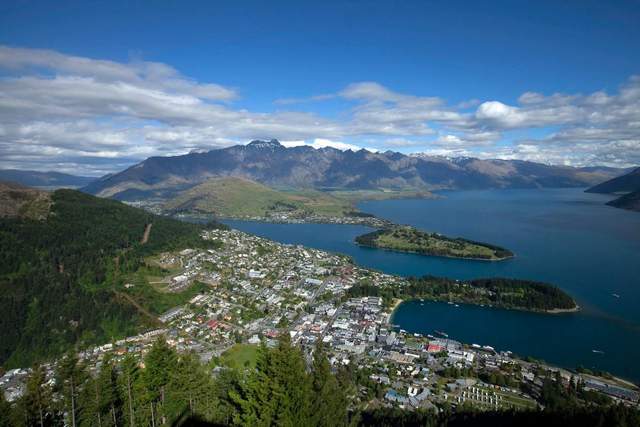
Coronet Peak, New Zealand's first commercial ski field, sits about 20 minutes from town and is known for rollercoaster groomed runs and reliable snowmaking that keeps it open through lean weeks. The Remarkables, a little further out above Lake Wakatipu, spreads from wide open bowls that suit progressing intermediates to steeper chutes for skiers who want to push harder. The two fields run on a shared lift-pass system, so a multi-day ticket bought at one works at the other, and either is an easy half-day trip from town and back. Queenstown's real edge is what surrounds the skiing: an international airport minutes from the base of town, and enough restaurants, bars and other adventure sports — bungy jumping, jet boating, paragliding — to fill every hour that isn't spent on snow.
Wanaka: bigger terrain, thinner crowds
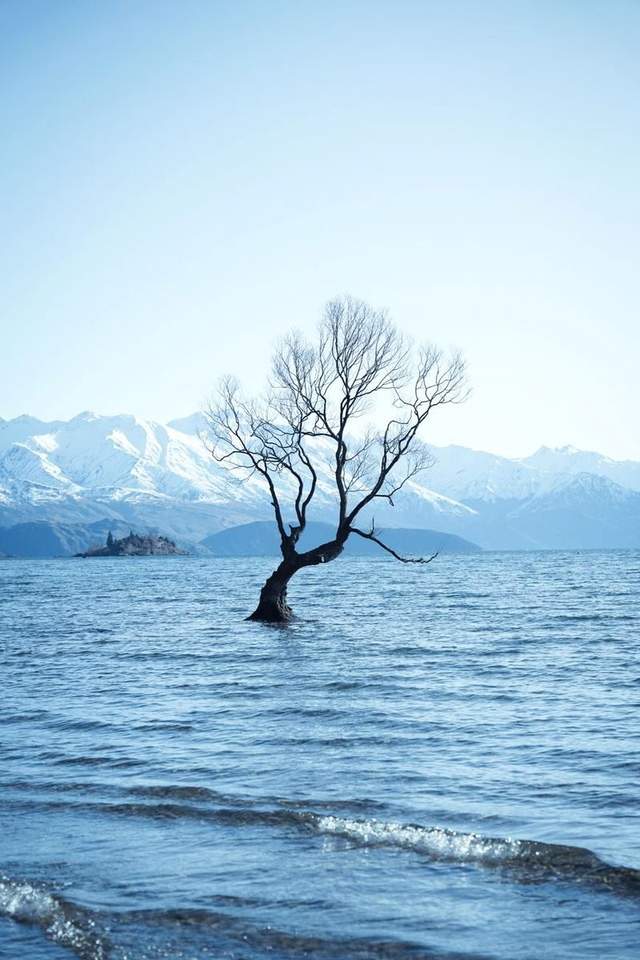
Treble Cone, about 30 minutes from Wanaka, is the South Island's largest ski area and carries the biggest vertical of any field near either town — long groomed runs off four basins, plus off-piste terrain that has genuine standing among strong intermediate and advanced skiers. Cardrona, closer to town, is the more complete family mountain: a wide, deliberately built spread from dedicated beginner terrain through to advanced runs, with the infrastructure — learner lifts, ski school — to match. Further out, Snow Farm keeps a groomed cross-country network for a different kind of ski day entirely. The trade-off for Wanaka's bigger terrain is logistics: no international airport of its own, and a quieter town once the lifts shut.
Which one fits your trip
Choose Queenstown if
Convenience matters more than chasing the biggest terrain — land at an international airport and be on snow the same afternoon, with two fields to choose from and a town that keeps going after dark.
Choose Wanaka if
Terrain and snow quality are the priority, or the group spans real beginners to advanced skiers who all need runs pitched at their level. Cardrona and Treble Cone between them cover both ends of that range better than either Queenstown field alone.
What a guide unlocks on either mountain
Lift tickets at every field near both towns are sold to anyone, so nothing stops a confident skier heading up alone. Where a guide earns its cost is the terrain that makes these towns worth the trip in the first place: Treble Cone's off-piste bowls and the backcountry access around both towns require reading avalanche risk and knowing which aspect held overnight snow and which slope has turned to ice — judgement built from skiing the same mountain every week, not from a trail map. On a first visit, an instructor also shortens the learning curve on unfamiliar lift systems and terrain, steering a group toward runs suited to today's conditions rather than yesterday's forecast. Families spanning several abilities get the clearest win at Cardrona, where a guide can split the group across ability-appropriate terrain and reunite everyone for lunch. Confident skiers happy on groomed runs can self-guide either town without trouble; going guided pays off most on a powder day, on off-piste terrain, or on a first trip where getting it right matters more than saving the lesson fee.
Crossing the Crown Range
The Crown Range Road links the two towns directly — a twisting drive over New Zealand's highest sealed mountain pass, cresting above 1,000 metres, that takes roughly 45 to 60 minutes in good conditions. In winter it can ice over and snow chains are worth carrying, so check road and weather reports via MetService before crossing rather than assuming a clear run. That short link is what makes a mixed trip work: a Queenstown base with a day at Cardrona, or a Wanaka base with an afternoon at Coronet Peak, both fit inside a normal ski day when the road is clear. Lift tickets can be bought on the day or online in advance, and multi-day or season passes bring the per-day cost down noticeably across a longer stay; ski and board hire is available at the base of every field and in both towns.
Your ski day: the day plan
A first day tuned for someone finding their legs on unfamiliar terrain, at either town:
| Time | The plan |
|---|---|
| 7:30 | Check the road and snow report before leaving town |
| 8:30 | First chair, while the groomers are still fresh |
| 10:00 | A guided run or lesson to read today's conditions before going it alone |
| 12:30 | Lunch at the base lodge, boots off |
| 13:30 | Free skiing on runs matched to the morning's conditions |
| 15:30 | Last chair, then the drive back before the road ices over |
Keep a spare afternoon loose if the trip allows it — a storm can close lifts or the Crown Range Road for a day, and that buffer is the difference between a wasted day and a powder day the next morning.
Frequently asked questions
Is Queenstown or Wanaka better for skiing?
Wanaka has the edge for terrain and snow quality — Treble Cone's vertical and off-piste are considered the strongest near either town, and Cardrona is the better choice for mixed-ability families. Queenstown wins on convenience: an international airport, two fields of its own, and more to do once the lifts close. Neither is the wrong choice; it depends on whether skiing or the wider trip is the priority.
How far apart are Queenstown and Wanaka?
Around 70 kilometres by the Crown Range Road, New Zealand's highest sealed mountain pass, which takes roughly 45 to 60 minutes to drive in good conditions. The road climbs above 1,000 metres and can ice over in winter, so check conditions before crossing rather than assuming a clear run.
When is the best time to ski near Queenstown and Wanaka?
Fields typically run from mid-June to early October, with July and August the most reliable months for natural snowfall and a settled base. June can be patchy before the season fully sets in, and September brings longer days and softer spring snow once the base is well established.
Are Queenstown and Wanaka ski fields good for beginners?
Yes, at the right field. The Remarkables near Queenstown and Cardrona near Wanaka both carry dedicated beginner terrain and the lift infrastructure to match, making them the more forgiving choice for a first time on snow. Coronet Peak and Treble Cone lean toward intermediate and advanced skiers, though both still have easier runs.
Do I need a guide to ski near Queenstown or Wanaka?
Not for groomed runs within your ability — lift tickets are open to anyone and the marked trails are well managed. A guide or instructor earns its cost on off-piste and backcountry terrain, where reading avalanche risk and the day's snow conditions matters, and for anyone new to the fields who wants a faster start than working it out alone.