

The Best Places for Hiking in New Zealand
1 September 2026
· By the HiyaGuide team
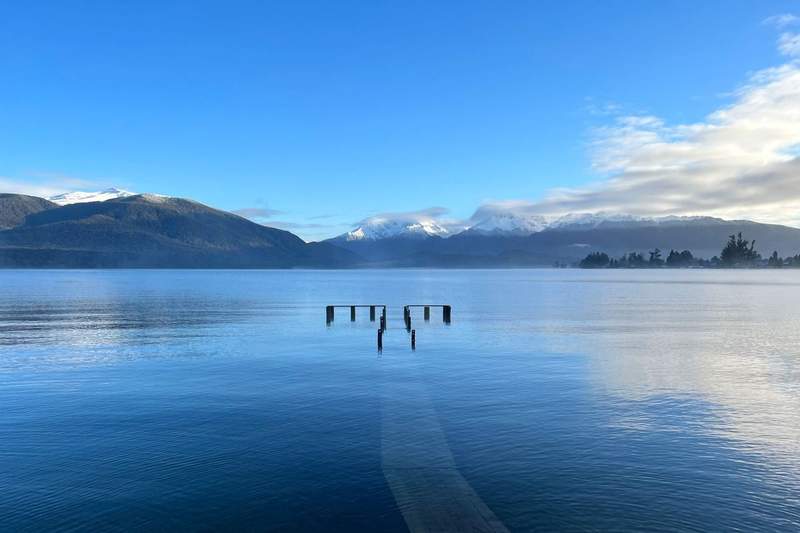
Photo by Tim Mackay on Pexels
New Zealand's best hiking bases, ranked: Te Anau for the Milford, Kepler and Routeburn tracks; Queenstown for Ben Lomond and the Glenorchy trailheads; Taupo for the Tongariro Alpine Crossing; Wanaka for Roys Peak; Nelson for the Abel Tasman Coast Track; Franz Josef for glacier-valley walking; and Christchurch for the Port Hills. Te Anau is the pick if you can only choose one — no other town puts three Great Walks within reach of a single main street.
How the seven bases compare
| Base | Character | Signature walk | Best months |
|---|---|---|---|
| Te Anau | Fiordland fiords, beech forest, Great Walks | Milford, Kepler and Routeburn tracks | Late October to late April |
| Queenstown | Big summit days above Lake Wakatipu | Ben Lomond | October to April |
| Taupo | Volcanic alpine crossing, crater lakes | Tongariro Alpine Crossing | November to April (guided in winter) |
| Wanaka | Ridgeline climbs with lake panoramas | Roys Peak | October to April (closed 1 Oct–10 Nov for lambing) |
| Nelson | Golden beaches, tidal inlets, coastal forest | Abel Tasman Coast Track | Year-round, best October to May |
| Franz Josef | Rainforest climbing to glacier lookouts | Roberts Point and Alex Knob tracks | Year-round, drier December to March |
| Christchurch | Volcanic hill walking beside a city | Rapaki Track and the Crater Rim Walkway | Year-round, calmest in summer mornings |
The split that matters is commitment: Te Anau and Nelson trade in multi-day tracks with huts booked months ahead, the middle four are built around one huge day, and Christchurch fits a real hill walk into an afternoon.
Te Anau: the Great Walks capital
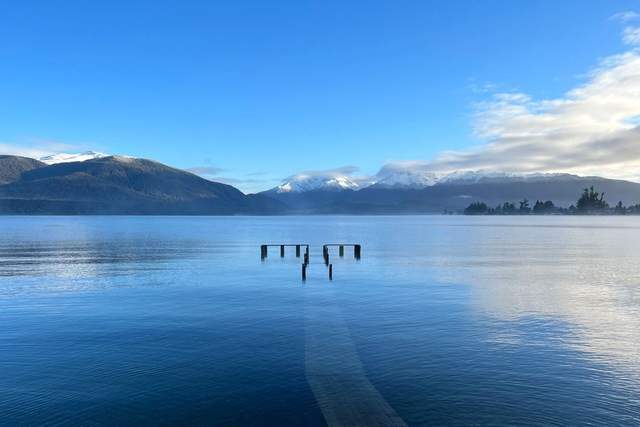
Te Anau sits on the edge of Fiordland National Park and is the only town that can call three of New Zealand's Great Walks local: the Milford Track, the Kepler — which starts from the lakeshore itself — and the Routeburn. These are multi-day routes through fiords, beech forest and alpine passes, walked from late October to late April, with huts that sell out months ahead for summer. Day walkers get the first hours of the Kepler along the lake for a real taste of Fiordland without the bookings.
The trade-off is weather: Fiordland is among the wettest places in the country, so pack for rain whatever the forecast says. Plan the stop via Te Anau, or browse the sport nationwide at the hiking hub.
Queenstown: summit days and the Glenorchy trailheads
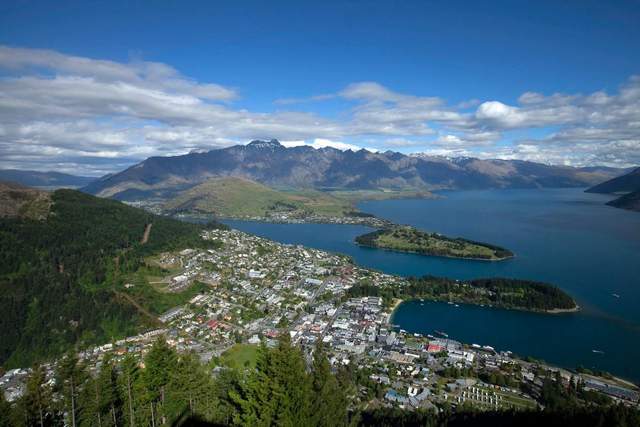
Queenstown's headline hike starts in town: the Ben Lomond Track climbs roughly 1,400 metres from Brecon Street to a summit panorama of Lake Wakatipu and the Remarkables — five to seven hours of honest work, and widely rated the best day hike in the region. Forty-five minutes up the lake, Glenorchy opens the door to the Routeburn Track, which many walkers do as a long one-day out-and-back to its most scenic section rather than the full crossing.
Queenstown also suits hikers travelling with non-hikers — nowhere else on this list offers so much between walks. See the Queenstown destination page.
Taupo: the Tongariro Alpine Crossing
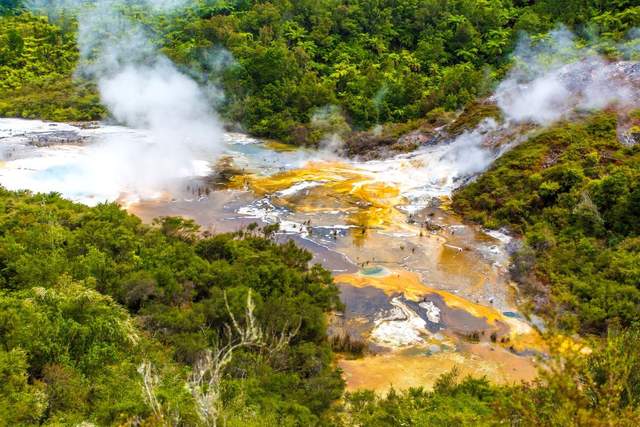
The Tongariro Alpine Crossing is routinely called New Zealand's best one-day hike, and the label survives the crowds: 19.4 kilometres one way across a live volcanic landscape of craters, steaming vents and improbably coloured lakes, taking most walkers seven to eight hours. Taupo, about an hour from the trailhead, is the biggest base; Turangi sits closer still. The track is one way, so nearly everyone rides a shuttle — and a four-hour parking limit at the Mangatepopo end in the October-to-April peak makes booking one effectively compulsory.
In winter the Crossing becomes a snow-and-ice route where going with a guide is the strong recommendation from every quarter. More on the area at Taupo.
Wanaka: Roys Peak and Mount Aspiring country
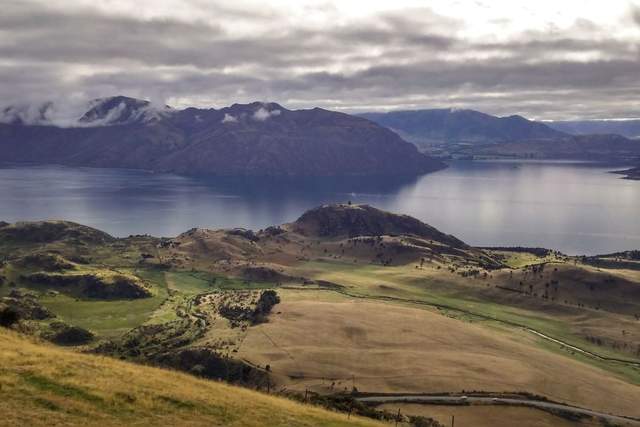
Wanaka is built around big single-day climbs, and Roys Peak is the most photographed of them all — around 1,250 metres of steady zigzagging to a summit overlooking Lake Wanaka and, on a clear day, Mount Aspiring itself. Know the one quirk before you plan around it: the track crosses working farmland and closes for lambing from 1 October to 10 November each year. Isthmus Peak offers a comparable climb with thinner crowds. Snow lingers on the high routes into early summer, so January and February give the most reliable conditions. Full details at Wanaka.
Nelson: the Abel Tasman coast
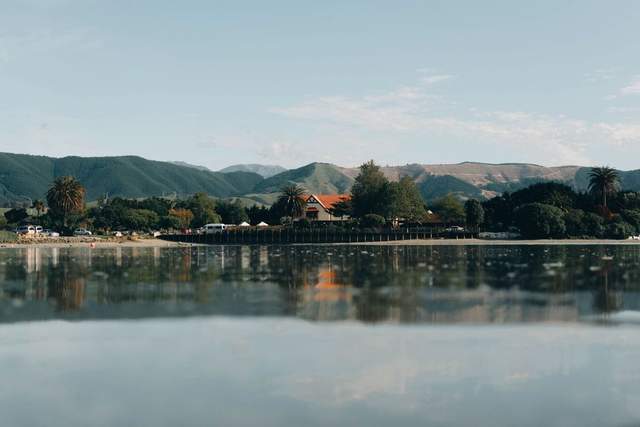
Nelson trades altitude for coastline. The 60-kilometre Abel Tasman Coast Track threads golden beaches, native forest and tidal estuaries, and its low elevation and mild climate make it the rare South Island Great Walk that is genuinely walkable year-round. Water taxis let you walk one direction and boat back, so it flexes from a half-day section to a three-to-five-day traverse. The planning catch is the tide: the Awaroa estuary can only be crossed around low water, so the timetable is set by the moon, not by you. Nelson also claims some of the country's highest sunshine hours. See the region at Nelson.
Franz Josef: rainforest to glacier ice
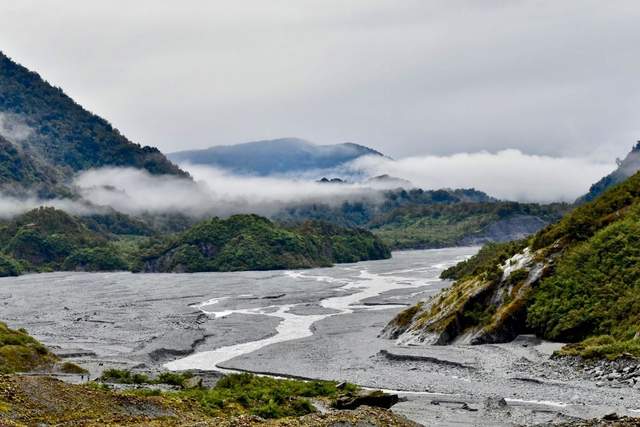
Nowhere else on this list climbs from temperate rainforest to glacier views in a single walk. The valley walk reaches a viewing area with glimpses of the ice — the river has cut off the old route further up — while two proper day hikes earn the real views: the Roberts Point Track, five-plus hours of ladders, swing bridges and glacier-polished rock, and the Alex Knob Track, billed as the best look at Franz Josef Glacier without a helicopter. Both suit experienced, well-equipped walkers — and this is where guided trips matter most, because the terrain near the ice shifts constantly and the West Coast rains in every season. Check track status first, and see the area at Franz Josef.
Christchurch: the Port Hills and Banks Peninsula
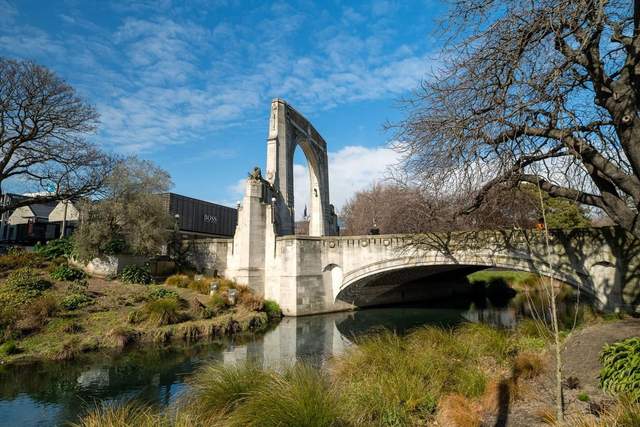
Christchurch earns its place through proximity. The Port Hills — the rim of an ancient volcano — put real hill walking minutes from the city: the Rapaki Track and the historic Bridle Path both climb to Summit Road views over Lyttelton Harbour in around two hours return, and the Crater Rim Walkway strings the whole ridgeline together. Further out on Banks Peninsula, Mount Herbert is the region's highest point and a full, satisfying day. It suits travellers bookending a South Island trip — start early in summer, as nor'west winds often turn calm mornings gusty on the exposed tops. The Christchurch destination page covers the city between walks.
What a guide unlocks in New Zealand's mountains
New Zealand lets you walk almost anywhere unescorted, and that freedom is exactly why a guide changes the trip. Alpine weather here turns fast enough that the difference between a great day and a rescue is usually judgement, not fitness — and judgement is what you are hiring. A local guide reads the forecast the way visitors cannot, holds the river-crossing and avalanche calls, and absorbs the logistics that quietly dominate hiking in this country: Great Walks hut strategy, one-way shuttle timing on the Tongariro Crossing, tide windows on the Abel Tasman, and gear you did not fly with. Be honest about where the line sits: confident walkers can self-guide the graded, well-marked tracks happily, but for the winter Tongariro Crossing, the terrain near Franz Josef's ice, or a once-in-a-lifetime Great Walk you want to get right first time, going guided is simply the better bet.
How we chose this list
"Best" here means the strongest bases for hiking specifically — towns whose reputation among walkers and official track authorities rests on the trails themselves, not general scenery. Every entry had to carry at least one iconic walk (a Great Walk, or a track with genuine national standing) verified against multiple independent sources, including the Department of Conservation's own track pages. The ranking weighs the calibre and concentration of walks, honest seasons, and how well the town works as a base. The list is limited to destinations we cover in depth, so a handful of worthy spots — Aoraki/Mount Cook village chief among them — sit outside it for now.
A one-week itinerary
A South Island loop that links five of the seven bases into one continuous drive:
| Day | Base | The plan |
|---|---|---|
| 1 | Queenstown | Land, shake off the flight on the Tiki Trail, save the legs for tomorrow |
| 2 | Queenstown | The Ben Lomond summit day — start early and check the forecast |
| 3 | Te Anau | Drive south; walk the lakeshore start of the Kepler in the evening |
| 4 | Te Anau | A guided day walk on the Routeburn or Milford — transport, timing and the weather call handled |
| 5 | Wanaka | Back north over the Crown Range; a gentle lakeside leg-stretcher |
| 6 | Wanaka | Roys Peak at dawn (or Isthmus Peak during the lambing closure) |
| 7 | Franz Josef | The Haast Pass drive, then a rainforest valley walk before flying out of the coast or looping back |
Book the guided Fiordland day and any huts before the flights — summer slots go months ahead — and keep one day loose as a weather buffer. With ten days, add Nelson's Abel Tasman or the Tongariro Crossing from Taupo.
Frequently asked questions
What is the best month to hike in New Zealand?
January and February give the most settled weather nationwide, with long daylight and the least snow on alpine routes. November, March and April are quieter, still reliable, and often mean easier hut bookings. The Great Walks season runs from late October to late April; outside it, alpine tracks demand winter skills and many facilities close.
Do I need to book huts for the Great Walks?
Yes — huts and campsites on the Great Walks, including the Milford, Kepler and Routeburn near Te Anau and the Abel Tasman near Nelson, must be booked in advance for the late-October-to-April season, and the popular tracks sell out months ahead for summer. Bookings open through the Department of Conservation in the preceding autumn, so plan the walk before the flights.
Is the Tongariro Alpine Crossing suitable for beginners?
Fit beginners complete it in summer, but do not mistake it for an easy walk: 19.4 kilometres one way, a stiff climb, and exposed volcanic terrain where weather changes fast. Book a shuttle, carry proper layers and water, and start early. From roughly May to October it becomes a snow-and-ice route best left to guided groups or experienced alpine walkers.
Do I need a guide to hike in New Zealand?
Not on the well-formed, graded tracks — the trail network is superbly marked and free to walk. A guide becomes the right call for alpine and glacier terrain, the Tongariro Crossing in winter, and Great Walks where you want logistics, transport and weather decisions handled by someone who makes them every week. First-time visitors doing one big walk get the most value from going guided.