

The Best Places for Kayaking in New Zealand
1 September 2026
· By the HiyaGuide team
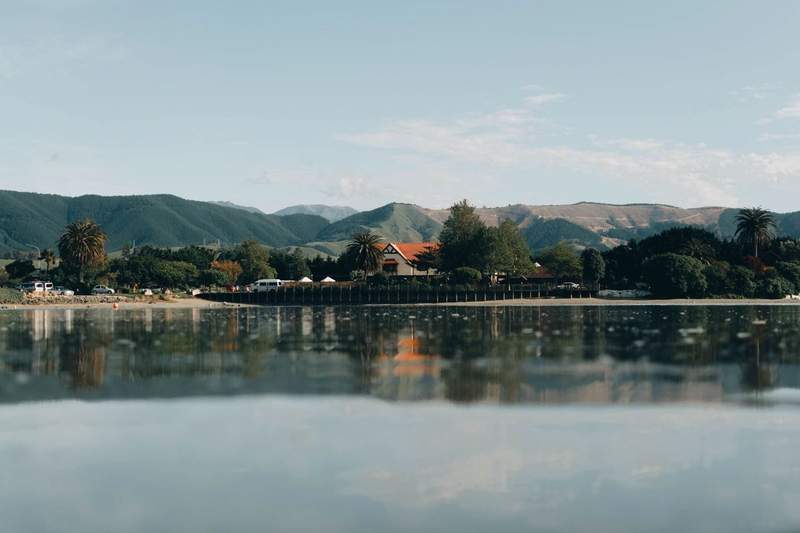
Photo by josiah farrow on Pexels
New Zealand's best kayaking splits between world-class coast and remarkable lakes: Nelson for Abel Tasman's golden coves and the Tonga Island Marine Reserve, Te Anau for guided paddling on Milford and Doubtful Sounds, Picton for the sheltered Marlborough Sounds, Paihia for the Bay of Islands, and Taupo for the only-by-water Mine Bay Māori rock carvings. Nelson is the top pick — nowhere else pairs such calm, clear coastal water with beaches and wildlife this good.
How the seven compare
| Base | Water | Signature paddle | Best months |
|---|---|---|---|
| Nelson | Coastal, sea kayaking | Abel Tasman's beaches and Tonga Island Marine Reserve | November to April |
| Te Anau | Fiord, lake | Guided day trips on Milford and Doubtful Sounds | November to April |
| Picton | Coastal, sea kayaking | Queen Charlotte Sound and the outer Marlborough Sounds | October to April |
| Paihia | Coastal, river | Bay of Islands and the Waitangi River to Haruru Falls | November to April |
| Taupo | Lake, flatwater | The 14-metre Mine Bay carvings, reachable only by water | December to March |
| Rotorua | Lake | Lake Rotoiti's glowworm cave and boat-access hot pools | Year-round, warmest December to March |
| Auckland | Coastal, sea kayaking | Across the Waitematā Harbour to Rangitoto Island | Year-round, calmest mornings |
How we chose this list
"Best" here means the quality of the paddling itself — water you would travel for. Every entry earns its place with something you can only reach by kayak or that a kayak transforms: a marine reserve, a fiord, a carving with no road to it. The list is limited to bases in our destination guides, ordered by real standing for the sport rather than convenience, with seasons following the settled-weather windows Tourism New Zealand describes. River-running whitewater is a different discipline and a different list.
Nelson: Abel Tasman's golden coast
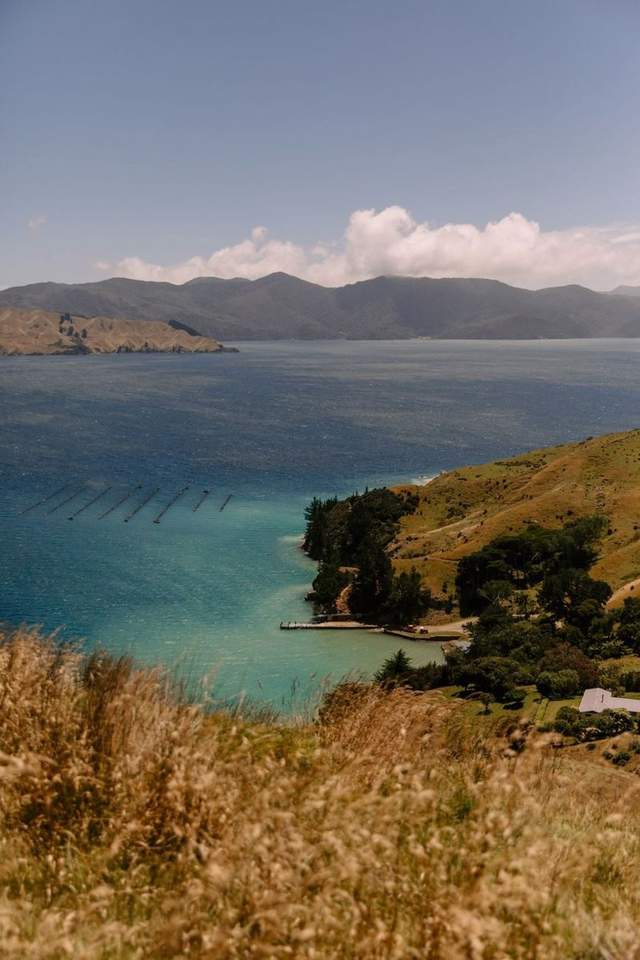
Nelson is the gateway to Abel Tasman National Park, and this coastline is the most famous kayaking water in the country for good reason: a string of golden beaches and forested headlands linked by clear, sheltered coves. The highlight is the Tonga Island Marine Reserve, protected since 1993, where fur seals breed on the rocky foreshore and dolphins and little penguins turn up alongside kayaks. Day trips pair a paddle with a water-taxi return; multi-day trips camp along the Coast Track's beaches.
November to April brings the calmest, warmest water — and the biggest crowds in January. The tides here are large, so launch times matter; guided departures build them in. More on the town at Nelson, and the sport nationwide at the kayaking hub.
Te Anau: Milford and Doubtful Sound
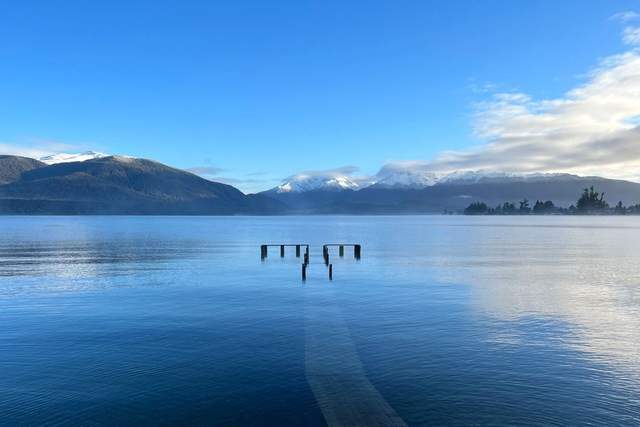
Sea kayaking in Fiordland is world renowned, and Te Anau is the base for it. Milford Sound puts you under sheer fiord walls and waterfalls that a cruise boat only motors past; Doubtful Sound — reached by boat across Lake Manapōuri and over Wilmot Pass — delivers nearly the same drama with a fraction of the traffic. Fiord paddling here runs almost exclusively as guided day trips, departing early for the still morning water, and Lake Te Anau itself offers calm flatwater when the fiord weather turns.
This is the wettest, most changeable water on the list, which is exactly why it rewards a guide. November to April is the settled season. Explore the region at Te Anau.
Picton: the Marlborough Sounds
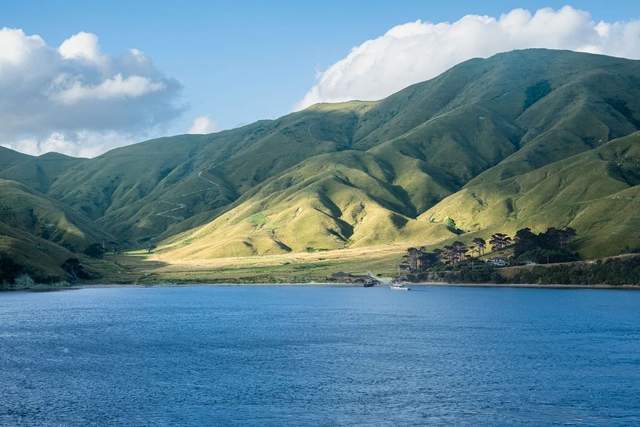
Picton sits at the head of Queen Charlotte Sound, one of three great drowned valleys — with Kenepuru and Pelorus — that make up the Marlborough Sounds. This is the roundup's best sheltered water: bush-lined bays, seals and dolphins, and multi-day routes that thread out towards the outer Sound, where Ship Cove's Cook monument and the bird sanctuary on Motuara Island are the payoff paddles. Water-access lodges mean you can go overnight without carrying a tent.
October to April gives the most settled weather, though wind still funnels through the narrower channels. Full details on the town at Picton.
Paihia: the Bay of Islands
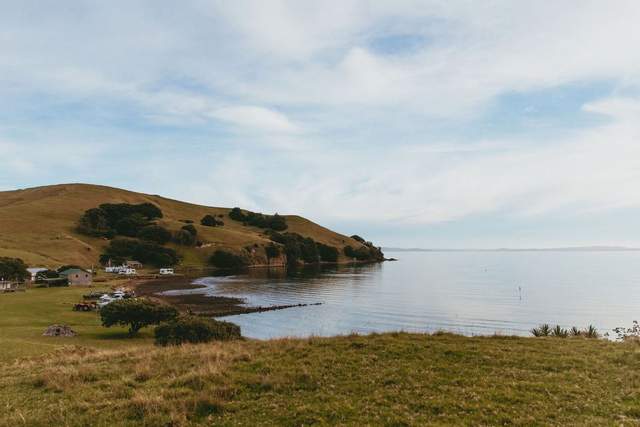
Paihia is the warmest saltwater paddling on this list. The Bay of Islands scatters sheltered island passages in every direction, and the signature short trip is inland rather than out: up the calm Waitangi River through mangrove forest to Haruru Falls, a horseshoe waterfall you can paddle right beneath. It is an easy, beginner-friendly outing with real character, and longer guided trips head out among the islands for clear water and seabirds.
Northland's mild climate keeps the season long, with November to April the sweet spot. More on the town at Paihia.
Taupo: paddling to the Mine Bay carvings
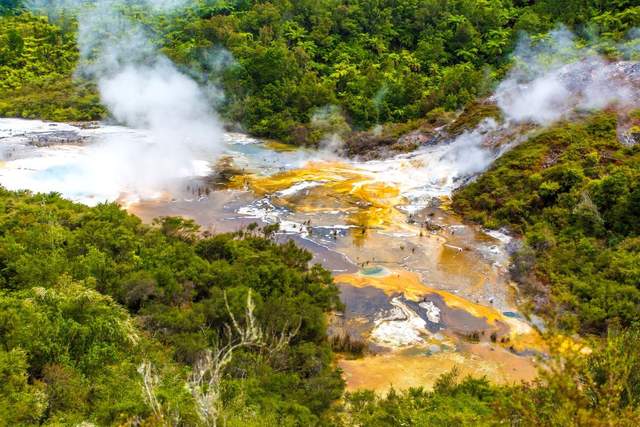
Taupo makes the list for a single unbeatable destination: the Ngātoroirangi Mine Bay Māori rock carvings, a 14-metre artwork carved into the lakeside cliffs in the late 1970s and reachable only by water. Arriving by kayak — past pumice cliffs on famously clear water — beats seeing it from a cruise deck, and guided trips run daily in season with no experience needed.
Lake Taupō is big enough to build real wind chop by afternoon, so mornings are the paddle. December to March is warmest. See the wider area at Taupo.
Rotorua: glowworms and hot pools by kayak
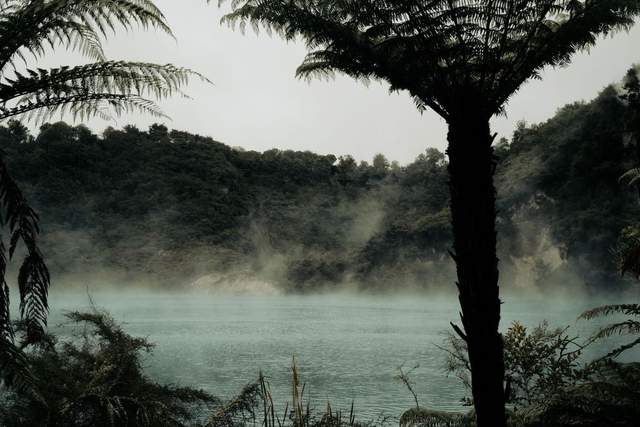
Rotorua's lakes deliver the most distinctive evening paddle in the country: across Lake Rotoiti to a glowworm cave on the water's edge, with a soak in the Manupirua hot pools — natural geothermal pools accessible only by boat — built into most guided trips. It is gentle, warm flatwater that suits complete beginners and slots neatly into a trip built around Rotorua's geothermal sights.
The lakes paddle year-round, with December to March the warmest window. More on the town at Rotorua.
Auckland: Rangitoto and the Waitematā
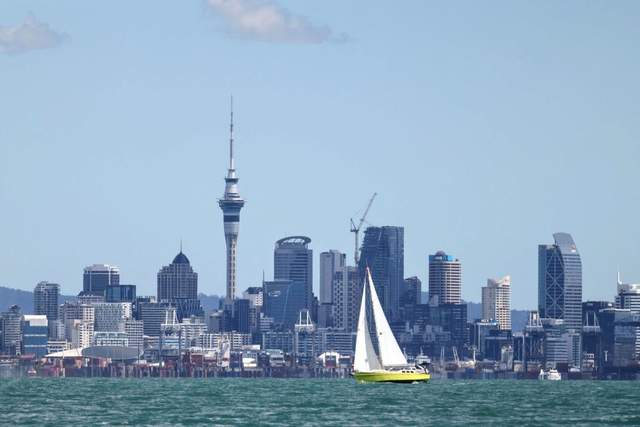
Auckland earns its spot with one iconic trip: paddling across the Waitematā Harbour to Rangitoto Island, the city's largest volcano, hiking to the summit for a panorama of the Hauraki Gulf, and — on the classic sunset version — kayaking home after dark under navigation lights. Roughly an hour of open-harbour paddling each way makes this a guided trip for most people; the sheltered inner bays suit easy self-guided mornings.
Ferry traffic and afternoon sea breezes are the hazards; mornings and evenings are calmest. More on the city at Auckland.
What a guide unlocks on New Zealand's water
New Zealand's water looks forgiving right up until the wind or tide turns. Abel Tasman's tides move whole beaches, the Sounds funnel wind between islands, Lake Taupō builds chop by lunchtime, and Fiordland's weather changes faster than anywhere else in the country — which is why fiord kayaking is effectively guided-only. A good guide reads all of this before you launch: the route, the timing, the bail-out points, and the technique that turns a nervous first hour into a confident day. Maritime NZ asks every paddler to carry a lifejacket, check the forecast and be able to re-enter their kayak after a capsize; a guided trip handles all three and adds local knowledge no forecast provides. Rotorua's lakes, the inner Waitematā and the Waitangi River are honest self-guided water in calm conditions — everywhere the water opens to real coast or fiord, go guided.
A one-week itinerary
North to south, with the paddling density where it belongs:
| Day | Base | The plan |
|---|---|---|
| 1 | Auckland | Land, then a sunset paddle across the Waitematā to Rangitoto |
| 2 | Paihia | Drive north; kayak the Waitangi River to Haruru Falls |
| 3 | Rotorua | Head south; evening glowworm and hot-pools paddle on Lake Rotoiti |
| 4 | Taupo | Morning paddle to the Mine Bay carvings, then fly or ferry south |
| 5 | Picton | A guided Queen Charlotte Sound day — the outer bays are what local knowledge unlocks |
| 6–7 | Nelson | The headline act: a full guided day or overnight on the Abel Tasman coast |
Book the Abel Tasman and Fiordland days first in summer — guided departures fill weeks ahead — and if you can add two days, extend to Te Anau for Doubtful Sound. It is the best paddle in the country when the weather plays along.
Frequently asked questions
Do you need a guide to kayak in New Zealand?
Not everywhere, but in the best places it is either required in practice or clearly the better trip. Fiord kayaking on Milford and Doubtful Sounds runs almost entirely as guided tours, and guided departures in Abel Tasman and the Marlborough Sounds handle tides, wind and routes for you. Rotorua's lakes, the Waitangi River and Auckland's inner bays suit confident self-guided paddling in calm weather.
What is the best time of year for kayaking in New Zealand?
November to April covers the settled season for the coastal spots — Nelson, Picton, Paihia and Te Anau — with December to February the calm, warm peak and March quieter on the water. Rotorua's lakes and Auckland's harbour paddle year-round. Fiordland is the exception to every rule: it can rain hard in any month, so build in a buffer day.
Which place is best for beginners?
Rotorua is the gentlest start: warm, flat lake water and short guided evening trips that need no experience. The Waitangi River paddle from Paihia is nearly as easy, and much of the Abel Tasman coast near Nelson is sheltered enough for first-timers on a guided day trip, with water taxis covering the return leg so nobody is committed to a full day of paddling.
Is Abel Tasman kayaking suitable for families?
Yes — it is the classic family paddle. The coves are sheltered, double kayaks let an adult carry most of the workload, and guided trips tailor distances to the group. The Tonga Island Marine Reserve adds seals, and often dolphins, to the day; just keep the required distance from wildlife and let the operator set a launch time that works with the big tides.
What safety rules apply to kayakers?
Maritime NZ requires a lifejacket for every person aboard a paddle craft, and some regional council bylaws make wearing one compulsory, so check local rules. Beyond that, the standing advice is to check the marine forecast, tell someone your plan, carry two waterproof ways to call for help, and practise re-entering your kayak. Guided trips cover all of this as standard.