

The Best Places for Fishing in New Zealand
1 September 2026
· By the HiyaGuide team
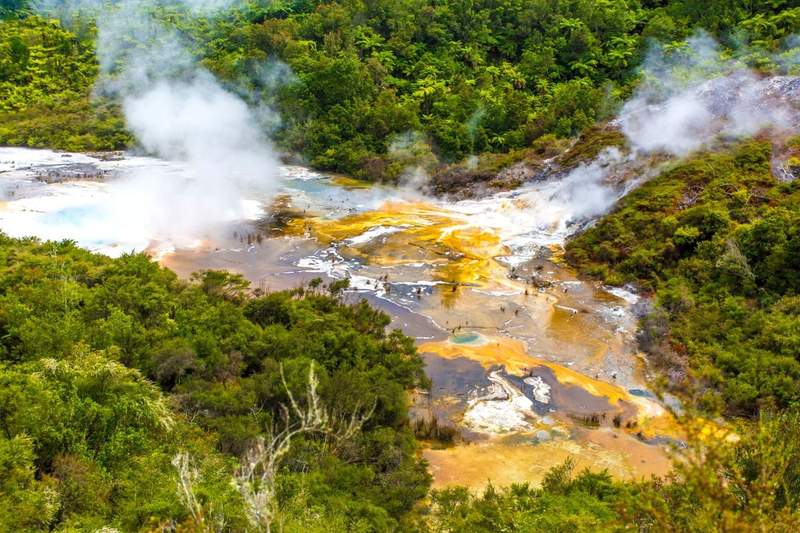
Photo by 飞 谢 on Pexels
New Zealand's best fishing splits between freshwater trout country and saltwater game fishing: Taupo for the country's most famous and most accessible trout water, Turangi for the technical Tongariro River fishery on Taupo's doorstep, Wanaka and Queenstown for high-country lake and river trout among alpine scenery, and Paihia for Bay of Islands marlin and kingfish. Taupo is the standout for a first trip — nowhere else pairs such consistent fishing with such easy access.
How the five compare
| Base | Water | Character | Best months |
|---|---|---|---|
| Taupo | Lake, river | New Zealand's best-known trout water, fishable year-round | year-round, strongest Mar–May & Oct–Dec |
| Turangi | River | Technical dry-fly and nymphing on the Tongariro | Oct–Apr, plus a winter run at the river mouth |
| Wanaka | Lake, river | High-country trout among alpine scenery | Oct–Apr |
| Queenstown | Lake, river | Sizeable trout on Lake Wakatipu and nearby rivers, adventure-town base | Oct–Apr |
| Paihia | Deep sea, saltwater | Bay of Islands game fishing for marlin and kingfish | Dec–Apr (game season) |
Taupo, Turangi, Wanaka and Queenstown all fish for the same quarry — brown and rainbow trout — but the water differs: Taupo and Turangi centre on one lake-and-river system, while Wanaka and Queenstown are alpine lakes further south with their own rivers feeding in. Paihia is the outlier, a saltwater game-fishing base with nothing in common with the other four beyond a rod.
What a guide unlocks on New Zealand's water
New Zealand's fishing rewards local knowledge more than most sports let on. Trout hold in specific lies that shift with the season and the flow, the difference between a productive beat and an empty one is often a matter of metres, and reading a river's colour and level after rain is a skill visitors don't arrive with. A guide solves that immediately — they know which pools are fishing today, not last week, and they carry the gear and licensing knowledge that turns a confusing first morning into fish in the net. Offshore around Paihia the case is just as strong: a guide reads bird work and bait balls, runs the boat to where the fish actually are, and handles the tackle for game species most visitors have never targeted. Confident anglers with their own gear can self-fish accessible water like Lake Taupo's shoreline; the technical rivers and every serious day offshore are where going guided earns its keep.
Taupo: New Zealand's trout capital
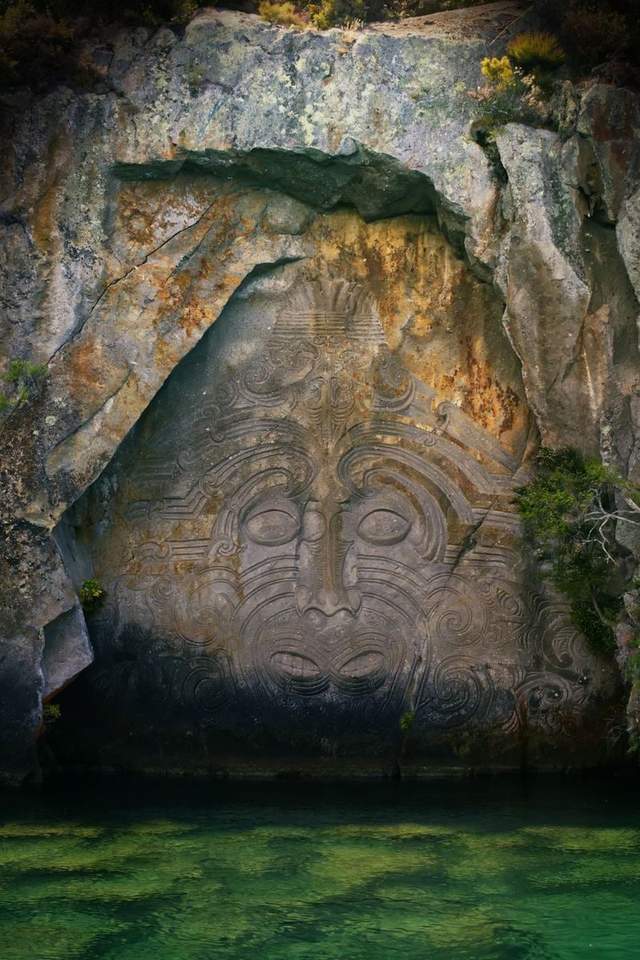
Lake Taupo is the country's largest lake and the fishery visitors reach for first — its shoreline and river mouths hold brown and rainbow trout in numbers that make it one of the most productive trout fisheries in the world, and it fishes for the whole lake even when nearby rivers are closed for the season. Boat fishing by trolling or jigging covers the open water, while wading the river mouths at dawn is the classic Taupo start.
The lake itself is fishable year-round, which is unusual for New Zealand trout water and part of why it anchors this list. Autumn and spring bring the heaviest runs into the tributaries, while summer suits open-water trolling. More on the town at Taupo, and the sport nationwide at the fishing hub.
Turangi: the Tongariro on your doorstep
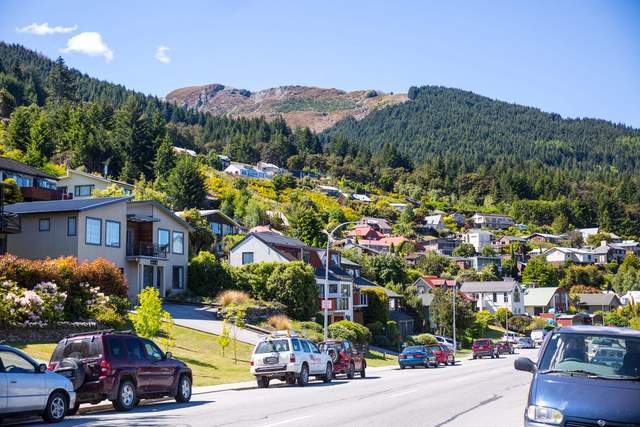
Turangi sits at the mouth of the Tongariro River, one of the most storied trout rivers anywhere, and the town exists largely because of the fishery. Long, clear pools reward careful reading of the water rather than sheer casting distance, and the river's reputation draws anglers who want technical dry-fly and nymphing water rather than a numbers game.
Most of the river follows the general New Zealand trout season from October to April, but the lower reaches near the lake mouth stay open through winter and fish a genuine cold-weather run — a rare exception worth planning around. Details on the area at Turangi.
Wanaka: alpine lake and river trout
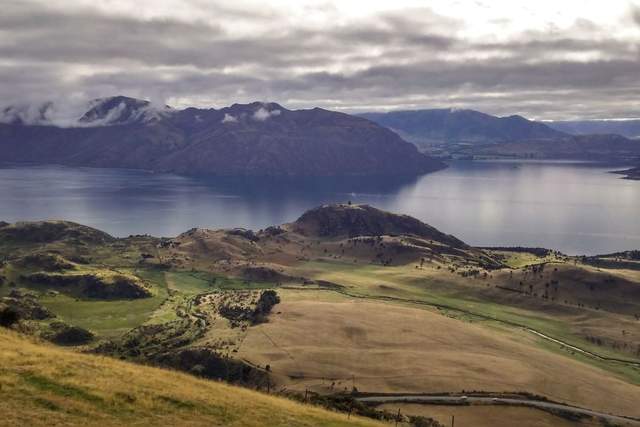
Wanaka's fishing plays out against the same alpine scenery that draws hikers and skiers — Lake Wanaka and Lake Hawea both hold good trout, and the rivers feeding them offer sight-fishing in famously clear South Island water. It suits anglers building a fishing day around a wider mountain-town trip rather than travelling for fishing alone.
The season here tracks the standard October to April window, and clarity is the defining feature: low, settled water in late summer makes for some of the best sight-fishing conditions in the country. More on the town at Wanaka.
Queenstown: trophy water with an adventure-town base
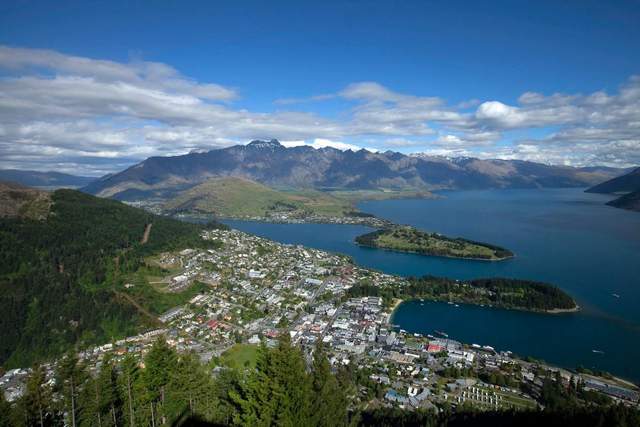
Queenstown shares its lake and river system with Wanaka further north, and Lake Wakatipu plus the Kawarau and Shotover rivers hold trout that draw anglers specifically chasing size rather than numbers. It is the easiest of the alpine lake bases to combine with everything else Queenstown offers, from adventure sports to simply a good night out after a day on the water.
The same October to April season applies, with the clearest water and steadiest conditions from December through February. Full details on the town at Queenstown.
Paihia: saltwater game fishing in the Bay of Islands
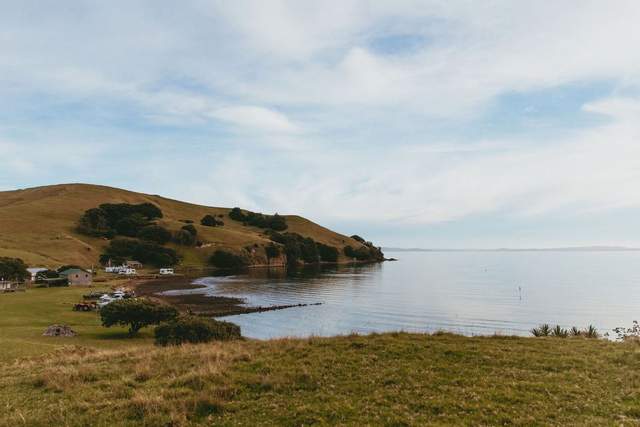
Paihia is a different sport entirely from the other four bases on this list. The Bay of Islands has long been known for big-game fishing, and boats run out from Paihia chasing marlin, kingfish and other pelagic species in the warmer months, when currents push game fish down from the tropics. It is the base for anyone who wants to fish saltwater rather than add another river to a South Island trip.
Game season runs broadly December to April, when water temperatures peak; kingfish and other bottom and reef species fish for longer through the year for anyone happy to fish outside the marlin months. More on the town at Paihia.
How we chose this list
"Best" here means the bases where the fishing itself has national standing — Taupo and Turangi anchor the country's most famous trout fishery, the Otago high country holds its clearest sight-fishing water, and the Bay of Islands is its saltwater game-fishing heartland — cross-checked against official sources rather than our own preferences. The list is limited to the towns we cover in depth, and freshwater entries assume you fish legally: most of the country runs on a Fish & Game licence, while the Taupo district has its own permit system managed with the Department of Conservation. Saltwater fishing needs no licence, but bag and size limits are set by Fisheries New Zealand — a guided day handles all of this paperwork for you.
Which one should you choose?
Taupo for the most reliable trout fishing and the easiest base for a first trip. Turangi for technical river fishing and a rare winter run most visitors never hear about. Wanaka and Queenstown for alpine trout fishing built around a wider South Island trip — Wanaka the quieter of the two, Queenstown the better base if you want more to do after the rod goes down. Paihia for a completely different day: saltwater game fishing rather than another river. Taupo and Turangi pair naturally on a North Island trip; Wanaka and Queenstown do the same in the south.
A one-week itinerary
A realistic seven days that samples both islands' fishing without spending the week driving:
| Day | Base | The plan |
|---|---|---|
| 1–2 | Taupo | Settle in, fish the lake edges, and take a guided river morning — the fastest way to learn how New Zealand trout water is read |
| 3 | Turangi | The Tongariro's pools, half an hour south. Technical water: the day a guide earns the fee twice over |
| 4 | Travel | Fly to Queenstown, pick up the hire car, evening on the lakefront |
| 5 | Wanaka | A guided high-country day — access to water you would never find unaided |
| 6 | Queenstown | Trophy water within an hour of town, or a rest day if the weather argues |
| 7 | Depart | Or extend north to Paihia for a saltwater game-fishing finale in the Bay of Islands |
Licences are water-specific — a guided day includes the paperwork, which alone spares a visitor an evening of reading.
Frequently asked questions
Do I need a licence to fish in New Zealand?
Yes. Freshwater fishing for trout requires a licence from the relevant regional fish and game council, and Taupo's lake and rivers are managed separately from the rest of the country under their own licence. Saltwater fishing around Paihia has its own rules on bag limits and protected species, which a guide or charter typically handles on your behalf.
Is Lake Taupo fishing suitable for beginners?
Yes — trolling or jigging on the open lake from a boat is approachable for first-timers, and guided trips supply the gear, the licence knowledge and the local water reading that a solo beginner would otherwise need weeks to build. Wading the river mouths and technical river fishing on the Tongariro near Turangi reward more experience.
What is the best time of year for trout fishing in New Zealand?
Most rivers follow an October to April season, with the clearest and most settled conditions from December to February. Lake Taupo is the exception — its open water fishes year-round, and the lower Tongariro near Turangi holds a winter run when most rivers are closed.
When is the best time for game fishing in the Bay of Islands?
Marlin and other pelagic species are most reliably around from December to April, when warmer currents bring them south. Kingfish and reef species fish for longer through the year, so a Paihia trip outside the marlin season still has plenty on offer.
Can I fish these waters without a guide?
Lake Taupo's shoreline and open water are approachable without one if you already have gear and a licence. The Tongariro's technical pools, the clear alpine rivers around Wanaka and Queenstown, and offshore game fishing around Paihia are all far more productive, and safer, with a guide who fishes that water every week.