

Sydney or Hobart for Sailing?
12 October 2026
· By the HiyaGuide team
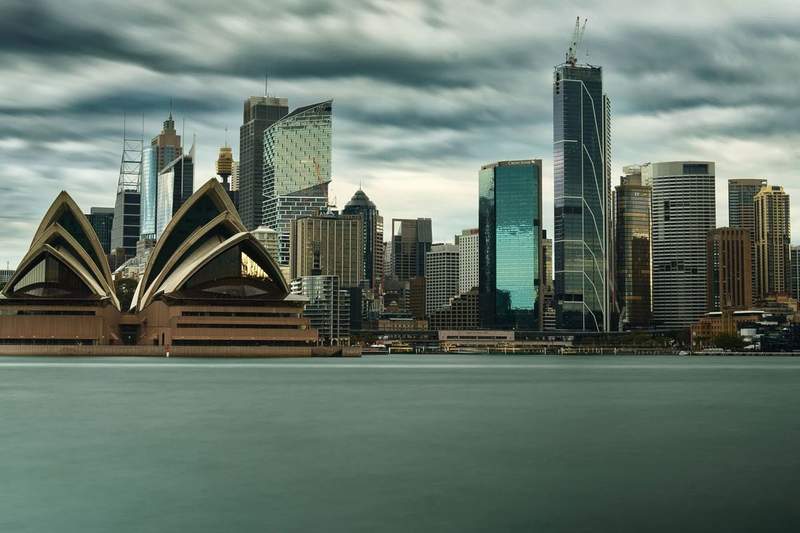
Photo by Federico Abis on Pexels
Sydney wins for most sailors: a sheltered, world-famous harbour, the country's biggest keelboat and dinghy fleet, and a season that barely closes. Choose Hobart instead if the sailing itself is the point — offshore-calibre water through the D'Entrecasteaux Channel and around Bruny Island, built around one of the world's great ocean races, but with a shorter summer window and a far smaller charter scene. Both are genuine Australian sailing cities; they just reward very different kinds of trip.
Harbour racing or offshore wilderness: the comparison
| Sydney | Hobart | |
|---|---|---|
| Signature water | Sydney Harbour (Port Jackson), Pittwater, Broken Bay | The Derwent River, Storm Bay, the D'Entrecasteaux Channel |
| Character | Harbour racing, club fleets, day sailing and charter | Offshore and expedition-style cruising, cooler and more exposed |
| Best season | Spring to autumn; busiest November to February | December to February, built around the race fleet's arrival |
| Charter and tour scene | Large — dozens of operators, departures most days | Small — built around one race and a biennial festival |
| Who it suits | First-timers, families, club racers, short charters | Confident sailors after wilderness coastal or offshore sailing |
The two cities are linked by the same race: the Sydney to Hobart starts on Sydney Harbour on Boxing Day and finishes a few days later on the Derwent, which is as good a summary as any of why they feel like different sports wearing the same name.
Sydney: the country's biggest fleet in a world-famous harbour
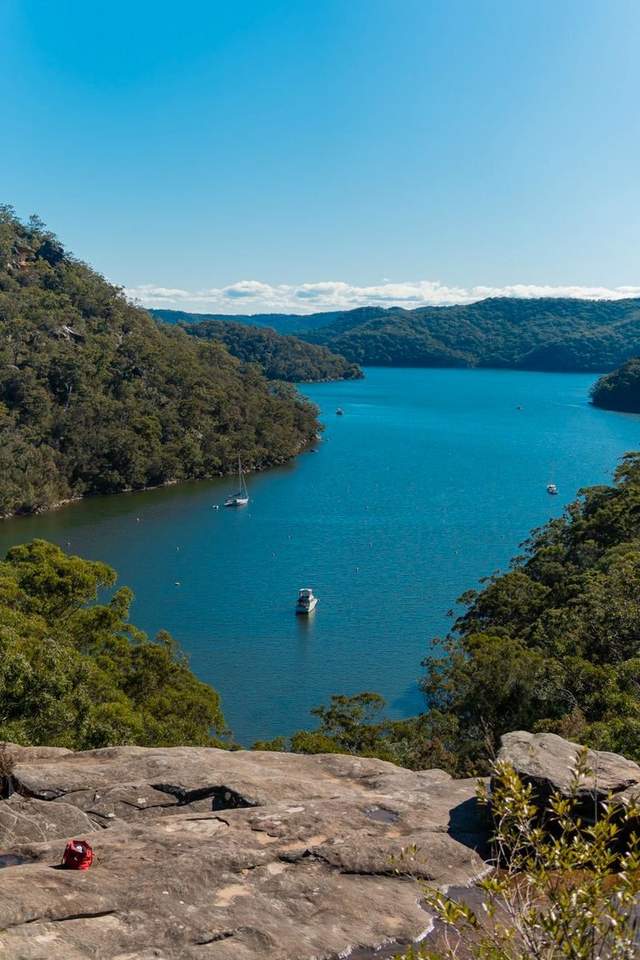
Tourism Australia's own guide calls Sydney Harbour — officially Port Jackson, known to the Gadigal people as Tubowgule — one of the most beautiful natural harbours in the world, with more than 240 kilometres of shoreline backdropped by the Opera House and the Harbour Bridge (australia.com). Hundreds of keelboats and dinghies race across it most weekends, and the fleet swells every Boxing Day when the Sydney to Hobart's start gun fires from the harbour. North of the city, Pittwater — a sheltered run of water between Barrenjoey Head and Church Point, bordered by Ku-ring-gai Chase National Park — opens onto Broken Bay and the Hawkesbury River system; NSW National Parks runs its own multi-day eco sailing cruises through that same water, a licensed guided option through genuinely protected ground (nationalparks.nsw.gov.au). Warmer months, November to February, bring the harbour's busiest sailing, but the season barely closes — the Bureau of Meteorology's own coastal waters forecast tracks conditions from Broken Bay to Port Hacking every day of the year (bom.gov.au). The one hazard locals watch for is the Heads, the harbour's narrow entrance to the open Pacific, where swell meeting an ebbing tide can kick up a chop that catches out anyone unfamiliar with it.
More at Sydney and the sailing hub.
Hobart: wild, cold-water sailing with real offshore pedigree
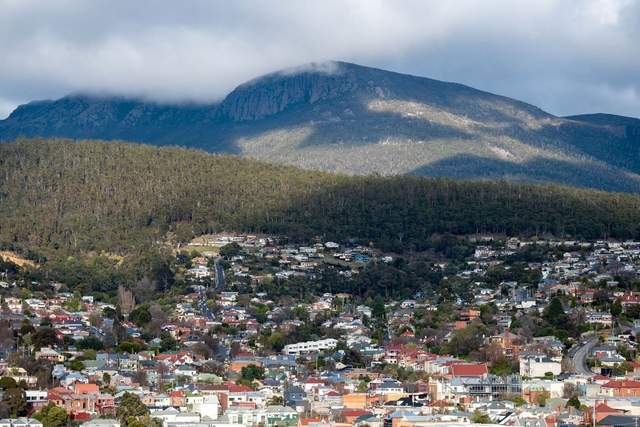
Hobart's sailing identity is built on one race: the Sydney to Hobart, a 628-nautical-mile offshore classic that starts on Sydney Harbour on Boxing Day and finishes on the Derwent River, usually in the first days of the new year. Every second February the Australian Wooden Boat Festival turns the same waterfront into a free, multi-day gathering of several hundred vessels. South of the city, the D'Entrecasteaux Channel runs a long, sheltered stretch of water down toward Bruny Island, with public ramps along its length; much of the island's southern tip sits inside South Bruny National Park, where Tasmania's Parks and Wildlife Service manages the coastline between Fluted Cape and Great Taylor's Bay (parks.tas.gov.au). Beyond the Channel, Storm Bay and the Tasman Peninsula open onto genuinely exposed water — the Bureau of Meteorology's Storm Bay forecast regularly carries strong wind warnings, and boats heading to the Peninsula are routinely advised to be ready for rough weather and to turn back at the first doubt (bom.gov.au). The season narrows accordingly: December to February is the genuine window, and even then the water runs colder and more exposed than Sydney's.
More at Hobart. For the national picture, the Whitsundays' sheltered reef sailing — covered in our guide to the best sailing in Australia and the dedicated Airlie Beach guide — sits at the opposite end of the spectrum from either city on this page.
Which one actually fits your trip
Choose Sydney if
Convenience and company matter: an international airport in town, the country's biggest fleet of charter boats and club racers, dinghy and keelboat options at every skill level, and a season that barely closes. It is also the easier choice for families or a first time on a boat.
Choose Hobart if
Wilderness and offshore character matter more than convenience — cruising the D'Entrecasteaux Channel and around Bruny Island, or timing a visit to the Sydney to Hobart's arrival or the Wooden Boat Festival. Accept the trade-offs that come with it: a shorter season, a much smaller charter scene, and colder, more exposed water that rewards experience over enthusiasm.
What a guide unlocks on either coast
Neither harbour needs a guide to sail at all — club moorings and open water are there for anyone with a boat and a plan. What a guide buys is the knowledge that turns an average day into a good one. In Sydney that means a skipper who already knows which racing marks are in play tonight, how the Heads behaves on a given tide, and where the harbour's commercial traffic gets heaviest; NSW National Parks' own guided eco cruises through Pittwater and Broken Bay are a good example of exactly that kind of local-knowledge product, run by people who sail the same water every week. In Hobart the stakes are higher: reading Storm Bay's exposed conditions, picking a weather window for the Tasman Peninsula, and knowing the D'Entrecasteaux Channel's moods are not things a first-time visitor should be learning in real time. A guided or skippered day compresses years of that judgement into an afternoon, which is exactly why it is worth paying for on unfamiliar water rather than finding out the hard way.
Your day on the harbour: the day plan
A first day tuned for a visiting sailor who knows the ropes but not the water:
| Time | The plan |
|---|---|
| 7:00 | Check the coastal waters forecast before heading to the marina |
| 9:00 | A guided sail with a skipper, learning the Heads and the main racing marks |
| 12:00 | Lunch ashore near the harbour |
| 14:00 | A self-sailed afternoon on a club dinghy or short charter inside sheltered water |
| 17:30 | A club twilight race, crewing if a boat will take you |
Book the morning's guided sail ahead over summer weekends, when demand is highest, and keep an alternate afternoon in mind in case a southerly blow closes the water early.
Frequently asked questions
Is Sydney or Hobart better for sailing?
Sydney suits most visitors better: a sheltered, world-renowned harbour, the country's largest charter and club-racing scene, and a season that runs nearly year-round. Hobart is the better choice for sailors chasing genuine offshore or wilderness coastal sailing around the D'Entrecasteaux Channel and Bruny Island, with a shorter, cooler season to plan around.
Do I need a licence to sail in Sydney or Hobart?
No formal licence is required to join a guided or chartered sail in either city, though a skipper will assess your experience before handing over a helm. Sailing your own registered vessel on NSW or Tasmanian waters does require the relevant boat-driving licence, which is separate from anything a guided charter needs from you.
When is the best time to sail in Hobart?
December to February, which lines up with the Tasmanian summer and the arrival of the Sydney to Hobart fleet. Outside that window the water turns colder and the weather less predictable, and Storm Bay and the Tasman Peninsula in particular are best left to settled conditions and experienced crews.
Is Sydney Harbour sailing suitable for beginners?
Much of it, yes — the harbour is sheltered and forgiving away from the Heads, and a guided or club-based introduction is the easiest way to start. The entrance itself, where harbour swell meets the open Pacific, is where local knowledge matters most and is best left to an experienced skipper until you know it well.
How rough is the water around Bruny Island and Storm Bay?
Rougher than anything in Sydney Harbour. The Bureau of Meteorology's Storm Bay forecast regularly issues strong wind warnings, and the open stretch toward the Tasman Peninsula is genuinely exposed water rather than a sheltered bay. The D'Entrecasteaux Channel itself, closer in toward Bruny Island, is calmer and more forgiving, which is why most guided cruising stays inside it.