

The Best Places for Sailing in Australia
28 September 2026
· By the HiyaGuide team
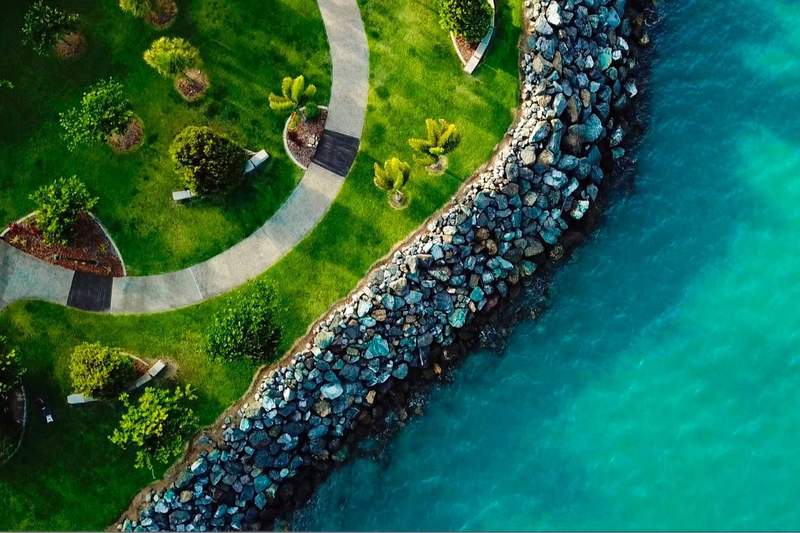
Photo by Andrew Photography on Pexels
Airlie Beach is the standout: it's the gateway to the Whitsundays, 74 islands inside the Great Barrier Reef that make up Australia's biggest bareboat-charter ground. Sydney and Hobart cover the country's serious racing culture, Perth has the most reliable breeze of any Australian city, and Brisbane, Melbourne and Adelaide add sheltered bay cruising within easy reach of a capital. Pick by what you want from a boat, not just the postcode.
How the seven compare
| Base | Signature ground | Character | Best months |
|---|---|---|---|
| Airlie Beach | Whitsunday Islands, Whitehaven Beach | Bareboat and skippered charter capital inside the Reef | May to September |
| Sydney | Sydney Harbour | Landmark-lined keelboat racing and a huge club fleet | September to May |
| Hobart | Storm Bay, the River Derwent | Offshore racing; finish line of the Sydney to Hobart | December to February |
| Perth | Rottnest Island crossing | The "Fremantle Doctor" — the country's most reliable afternoon sea breeze | November to March |
| Brisbane | Moreton Bay's sand islands | Sheltered cruising among Moreton and North Stradbroke | April to October |
| Melbourne | Port Phillip Bay | The biggest off-the-beach regatta scene in the country | November to March |
| Adelaide | Gulf St Vincent | Easy day-sailing with a straight run out to Kangaroo Island | October to April |
Queensland runs on a dry-season window because its summer is cyclone season, roughly November to April; the southern capitals flip that pattern, favouring their own warmer, more settled months for sailing.
Airlie Beach — the Whitsundays, Australia's sailing capital
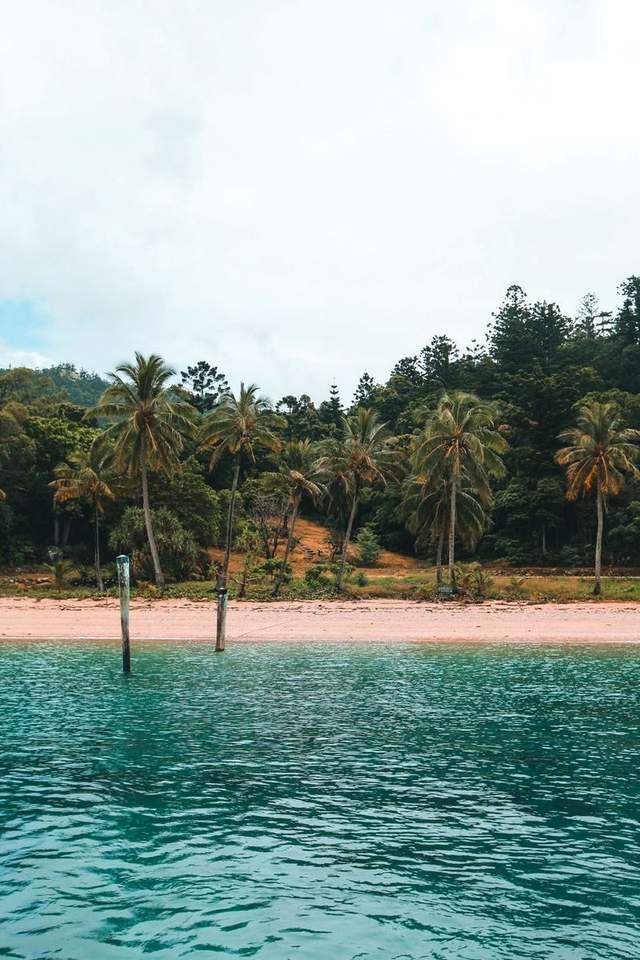
Nowhere else in the country puts this much sailable water within a day's reach. The Whitsundays are 74 islands scattered inside the Great Barrier Reef, and Whitehaven Beach — seven kilometres of near-white silica sand — is the destination most itineraries build around. The whole area sits inside the Great Barrier Reef Marine Park, managed under the Whitsunday Plan of Management, which is why zoning and reef etiquette matter here more than almost anywhere else in Australian sailing. May to September brings light, stable winds and calm seas; avoid the wet season, when cyclones can form.
More at Airlie Beach and the region's own sailing guide.
Sydney — the country's biggest keelboat fleet inside a working harbour
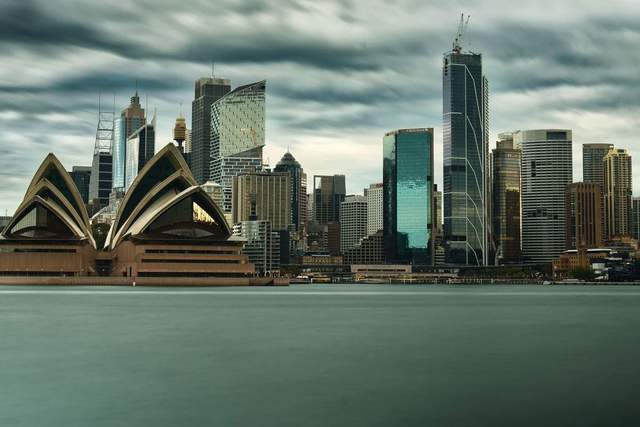
Sydney Harbour is a working racecourse as much as a landmark — hundreds of keelboats and dinghies race past the Opera House and the Harbour Bridge most weekends, and the fleet swells every Boxing Day when the Sydney to Hobart start gun fires. Sailing here works nearly year-round: spring brings long days and steady breeze, summer is busiest with holiday traffic, and autumn is generally the most settled stretch. The Heads — the harbour's narrow entrance to the open Pacific — kick up a chop that catches out anyone unfamiliar with the swell meeting the ebb tide.
More at Sydney.
Hobart — offshore racing and the end of the Sydney to Hobart
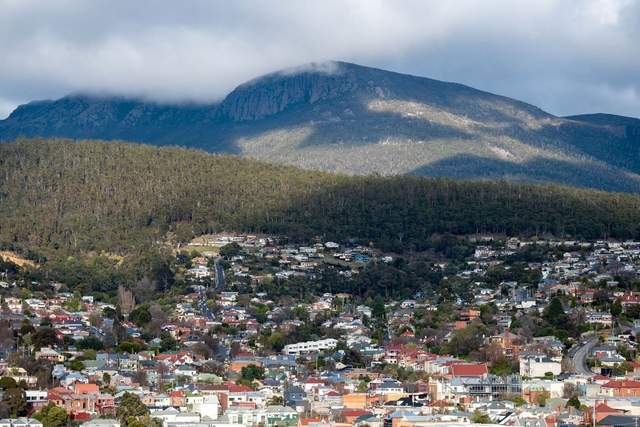
Hobart's sailing identity is built around one race: the Sydney to Hobart, a 628-nautical-mile offshore classic that starts on Boxing Day and sends the fleet down the Tasmanian coast, across Storm Bay and up the River Derwent to the finish below Mount Wellington. The city's own summer sailing — December to February — plays out in that same deep-water harbour, with club regattas and the waterfront Taste of Summer festival greeting the race fleet as it arrives. It's a cooler, more exposed stretch of water than the mainland capitals, so this is sailing with real offshore character rather than a sheltered bay cruise.
More at Hobart.
Perth — the most reliable breeze in Australian sailing
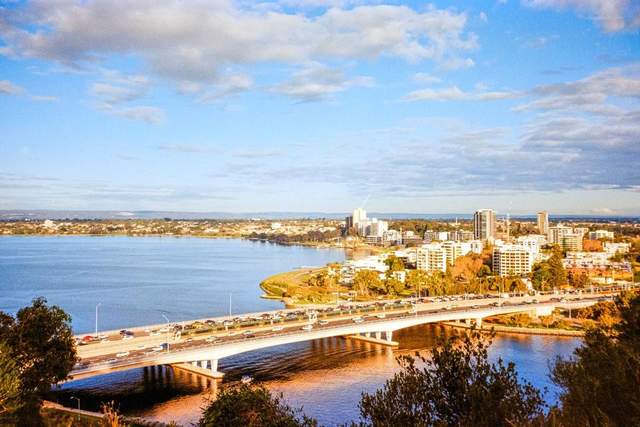
Perth's sailors plan their afternoons around the "Fremantle Doctor," the cooling sea breeze that fills in with clockwork regularity on summer afternoons, strongest in December and January. That consistency is exactly why the city hosts international fleet racing and why the crossing out to Rottnest Island — a popular day sail and the destination of the country's biggest ocean race by entries — is such a fixture. The wind builds through the day rather than starting steady, so mornings favour easier sailing and afternoons reward more experienced crews.
More at Perth.
Brisbane — sheltered cruising among the sand islands
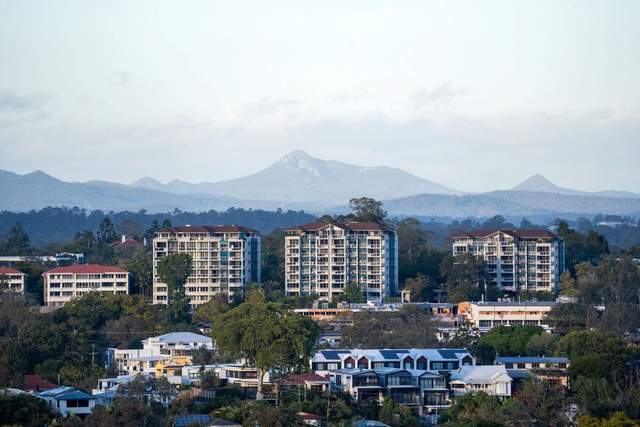
Moreton Bay is Brisbane's sailing ground, and its scale is unusual — Moreton and North Stradbroke are among the largest sand islands in the world, both reachable on a day sail from the city. Moreton Island itself sits inside Gheebulum Kunungai (Moreton Island) National Park, with the Tangalooma Wrecks a popular anchorage on its western side. The dry season, roughly April to October, brings the calmest conditions; summer adds heat, humidity and a higher chance of storms, and winter's westerlies can turn choppy on the bay's eastern side.
More at Brisbane.
Melbourne — the country's biggest regatta scene
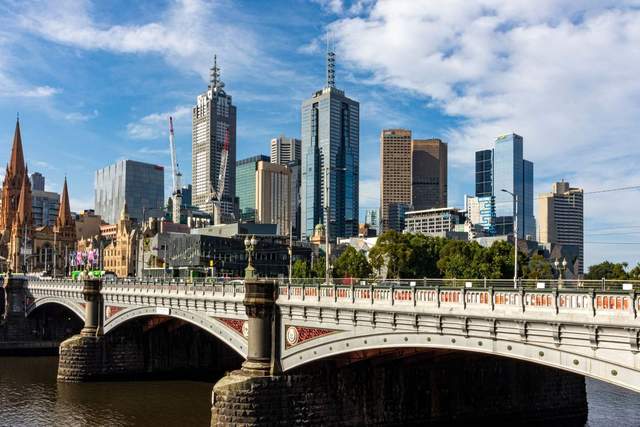
Port Phillip Bay is shallow, sheltered and busy with club racing most weekends, which is why Melbourne hosts Sail Melbourne, the largest off-the-beach dinghy regatta in the Southern Hemisphere. At the bay's entrance, the Port Phillip Heads Marine National Park covers the more exposed water around the Heads, where tidal currents run hard enough to catch out an unprepared crew. Warmer months, November to March, bring the most reliable sailing breeze; the bay's size and shelter make it forgiving for newer sailors the rest of the year too.
More at Melbourne.
Adelaide — the easiest reach to open water

Gulf St Vincent runs along Adelaide's entire western edge, so the city's marinas open almost directly onto genuine cruising water rather than a harbour approach. It's a comfortable day sail across to the Yorke Peninsula side of the gulf, and confident crews push on to Kangaroo Island, around 70 nautical miles offshore. The gulf's settled, land-locked character makes it one of the more approachable stretches of water on this list, best sailed October to April before the winter westerlies set in.
More at Adelaide.
What a guide adds on the water
Sailing well in any of these places is less about handling a boat and more about reading water you don't know. In the Whitsundays that means understanding reef zoning and where anchoring is and isn't allowed; at Sydney Heads and the entrance to Port Phillip Bay it means reading a tide race that can turn benign water dangerous in minutes; off Fremantle it means timing a passage around a breeze that builds through the day rather than blowing steadily. None of that is guesswork a chart alone solves.
It's also why bareboat charter in the Whitsundays isn't a free-for-all: operators run every guest through a multi-hour briefing and on-water check before handing over a yacht, and first-timers can add a sail guide to the crew rather than skipper solo. Elsewhere, a guided race night or a coached harbour sail compresses years of local knowledge — wind funnels, favoured racing marks, where the moorings are free — into a single afternoon. Self-guided cruising suits confident sailors on familiar boats; a guide earns its cost fastest on a first visit to unfamiliar water.
How we chose this list
"Best" here means genuine standing as an Australian sailing destination, not just scenic water: each base needed a verified reputation — a major regatta, an offshore racing pedigree, or a marine park recognised for exactly this kind of cruising — plus a real seasonal window worth planning around. We ranked the Whitsundays first because no other Australian base offers that much sheltered, reef-protected sailing ground in one place; the rest are ordered by the strength and distinctiveness of their sailing culture, drawing on Great Barrier Reef Marine Park Authority and state park sources. The list is limited to the cities we cover as destinations — plenty of smaller Australian sailing towns sit outside its scope.
A one-week itinerary
A week that stays on the east coast, since Perth, Hobart, Melbourne and Adelaide are each worth a dedicated trip of their own:
| Day | Base | The plan |
|---|---|---|
| 1–3 | Airlie Beach | Fly in; a guided day or overnight sail through the Whitsundays with a stop at Whitehaven Beach and a reef snorkel |
| 4 | Brisbane | Short flight south; an afternoon guided sail across Moreton Bay toward Moreton Island |
| 5–6 | Sydney | Fly down; a guided harbour sail past the Opera House and the Bridge, then a club twilight race |
| 7 | Sydney | Buffer day — chase the better wind window, or swap in a Harbour Bridge climb if the bay is glassy |
Book the Whitsundays leg well ahead — charter boats sell out over the May-to-September dry season — and keep day 7 flexible rather than fixed.
Frequently asked questions
Where is the best place to sail in Australia?
Airlie Beach, as the gateway to the Whitsundays. No other Australian base offers as much sheltered, reef-protected sailing ground — 74 islands inside the Great Barrier Reef Marine Park — in one place, with a reliable May-to-September season of light, stable winds.
Do I need a licence to sail in Australia?
No formal licence is required to bareboat charter in Queensland, but operators assess sailing experience and run every guest through a multi-hour safety and handling briefing before departure. First-timers can add a professional sail guide to the crew instead of skippering solo, which several Whitsundays operators offer.
When is cyclone season in Queensland, and does it affect sailing?
Queensland's tropical cyclone season runs roughly November to April, overlapping the wet season. It's the main reason the Whitsundays' best sailing window sits opposite that, from May to September, when conditions are drier and more settled.
Is Sydney Harbour sailing suitable for beginners?
Much of it, yes — the harbour is sheltered and forgiving away from the Heads, and a guided or coached sail is the easiest way to start. The entrance itself, where harbour swell meets the open Pacific, is where local knowledge matters most and is best left to an experienced skipper until you know it.
What's the difference between sailing in Perth and sailing in Melbourne?
Perth's Fremantle Doctor is a clockwork afternoon sea breeze, strongest in summer, that makes for predictable, building-through-the-day conditions and a well-known crossing to Rottnest Island. Melbourne's Port Phillip Bay is shallower and more sheltered, built around club and regatta racing rather than an open-water crossing, and is generally the more forgiving of the two for newer sailors.