

The Best Places for Kayaking in Australia
1 September 2026
· By the HiyaGuide team
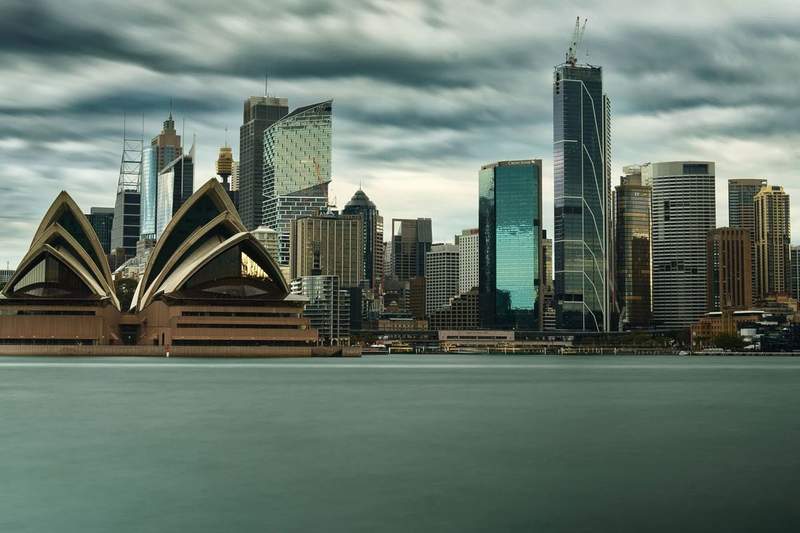
Photo by Federico Abis on Pexels
Australia's best kayaking splits by water type: Sydney Harbour is the standout single paddle — no other city puts the Opera House, the Harbour Bridge and the quiet coves of Middle Harbour within one afternoon at water level. The Noosa Everglades run it close as the most distinctive trip, one of only two everglades systems on Earth. Byron Bay adds dolphins, Hobart sea cliffs, the Whitsundays islands, and Brisbane, Darwin and Jindabyne complete a list with a paddle for every season and skill level.
How the eight compare
| Base | Water | Character | Best months |
|---|---|---|---|
| Sydney | Harbour, coastal | Icon-spotting city paddle, sheltered coves | Year-round, calmest mornings |
| Noosa | River, lakes | Mirror-still Everglades wilderness | September to May |
| Byron Bay | Open coast | Marine-park wildlife paddling | Year-round; whales June to November |
| Hobart | Estuary, sea cliffs | Waterfront paddle or serious cliff-line touring | November to April |
| Airlie Beach | Island passage | Whitsundays fringing reef and beaches | June to September avoids stingers |
| Brisbane | Urban river | Flat, easy, city-centre paddling | Year-round |
| Darwin | Tropical harbour | Guided-only wildlife territory | May to October (dry season) |
| Jindabyne | Alpine lake | Still water below the Snowy Mountains | November to April |
Why go guided on Australian water
Kayaking punishes local ignorance quietly. The sea breeze that wasn't there at nine builds by early afternoon on almost every waterway here — Queensland's park service explicitly advises paddling the Noosa lakes in the morning for that reason — and in the tropics the difference between a safe launch and a dangerous one is invisible from the bank. A guide fixes what a visitor can't: they pick the hour and the launch, route you around ferry lanes, tides and stinger-season risks, and carry the boats and safety gear you didn't fly with. Self-guided is fine on Brisbane's river or Jindabyne's lake; on the open coast, in the Whitsundays, and anywhere in the Top End, guided is how you get the good version of the day.
Sydney: the harbour paddle everyone should do once
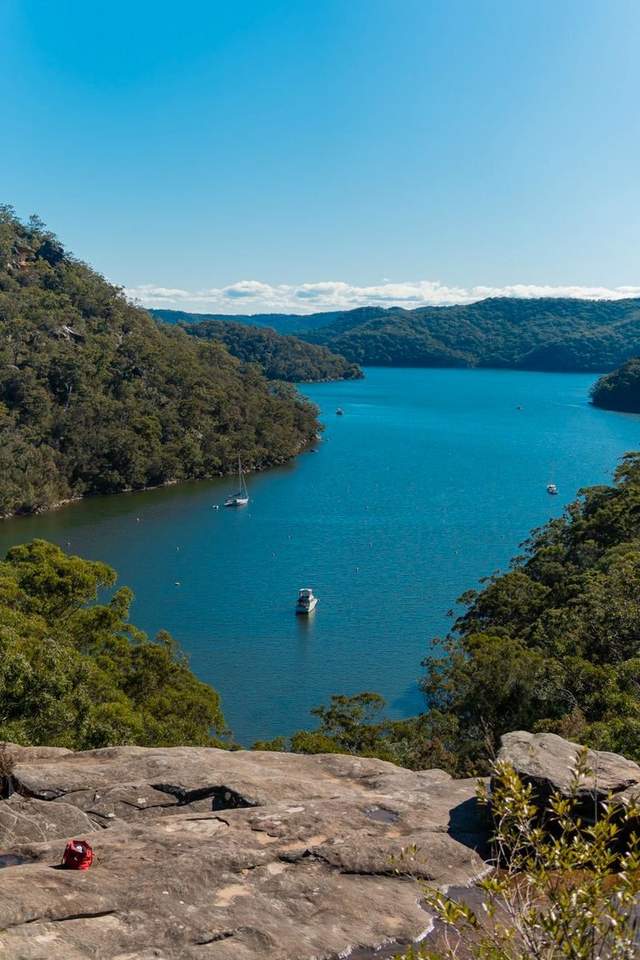
Sydney earns top billing for scenery per hour. From the main harbour you paddle among ferries with the Opera House and Harbour Bridge at eye level; from Middle Harbour — the classic guided route — you slip past Garigal National Park bushland to beaches like Balmoral and coves reachable only by boat. Dolphins and sea eagles turn up more often than first-timers expect. Ferry traffic is the real hazard, and routing around it is precisely what a guide is for. Mornings beat afternoons, when wind and wake both build. More at Sydney and the kayaking hub.
Noosa: paddling one of the world's two everglades
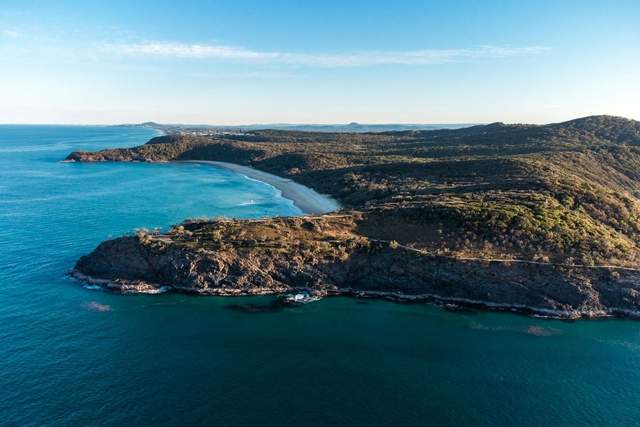
The Noosa Everglades, in the Cooloola Recreation Area of Great Sandy National Park, are one of only two everglades systems in the world — and unlike Florida's, croc-free. The trip runs from Lake Cootharaba into the tea-stained, mirror-still Upper Noosa River, a waterway Queensland's park service maintains with paddle-in campsites for multi-day trips; the official Upper Noosa River guide covers access and camping. Over 40 per cent of Australia's bird species live in the reserve. Afternoons turn Lake Cootharaba rough, so launch early — another call guides make for you. More at Noosa.
Byron Bay: dolphins in Cape Byron Marine Park
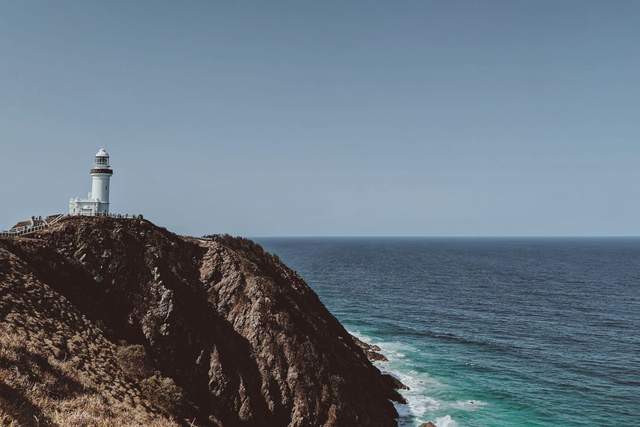
Sea kayaking at Byron Bay happens inside Cape Byron Marine Park, off Australia's easternmost point, and it is wildlife paddling first: bottlenose dolphins are seen on most trips, turtles are common, and from June to November humpback whales pass close enough to watch from a kayak seat. Open-coast paddling through surf launches means it runs guided almost by default — reading the swell is the local skill you're borrowing. Winter mornings are often the glassiest. More at Byron Bay.
Hobart: from Battery Point to the big cliffs
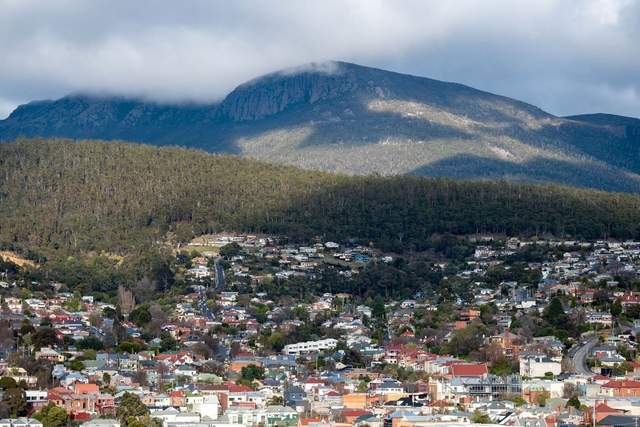
Hobart offers two very different days. The city paddle drifts along the Derwent waterfront past Battery Point's sandstone and the docked tall ships, with kunanyi/Mount Wellington above — calm, historic, beginner-friendly. An hour away, the Tasman Peninsula is Australia's most dramatic sea kayaking: Fortescue Bay, the Tasman Arch and some of the Southern Hemisphere's tallest sea cliffs, with seals and dolphins alongside. The cliff coast is committing cold-water paddling for guided groups or experienced parties only, at its best November to April. More at Hobart.
Airlie Beach: island-hopping the Whitsundays
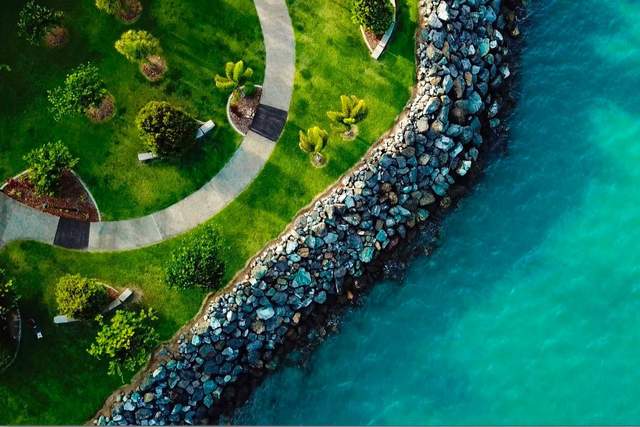
Airlie Beach is the launch point for paddling among the Whitsunday Islands — turquoise passages, fringing coral and postcard beach landings. The honest caveat is stinger season: box jellyfish and Irukandji are present in these tropical waters roughly October to May, when operators put paddlers in full-length stinger suits. June to September brings cooler, drier, stinger-free conditions and is the sweet spot. Trade winds pick up through winter afternoons, so island crossings are another morning job. More at Airlie Beach.
Brisbane: the easiest city paddle in the country
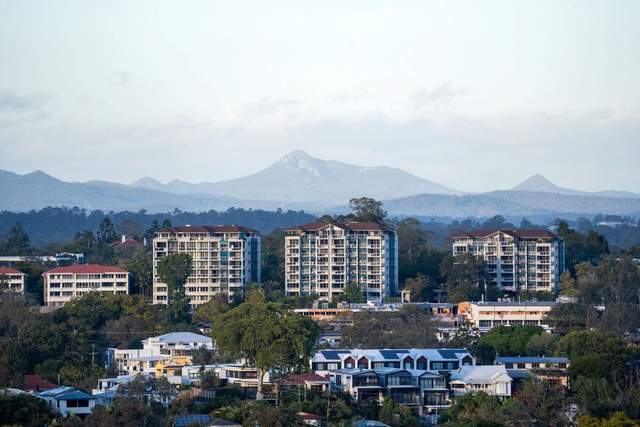
The Brisbane River is the gentlest entry on this list: wide, sheltered bends through the middle of the city, launching near Kangaroo Point and passing under the Story Bridge and along South Bank. No experience needed, no surf, no swell — which is why twilight paddles beneath the lit-up skyline are the signature trip. Subtropical and sheltered, it works year-round, and it's the right choice when kayaking is a half-day inside a bigger trip. More at Brisbane.
Darwin: Top End paddling, on crocodile terms
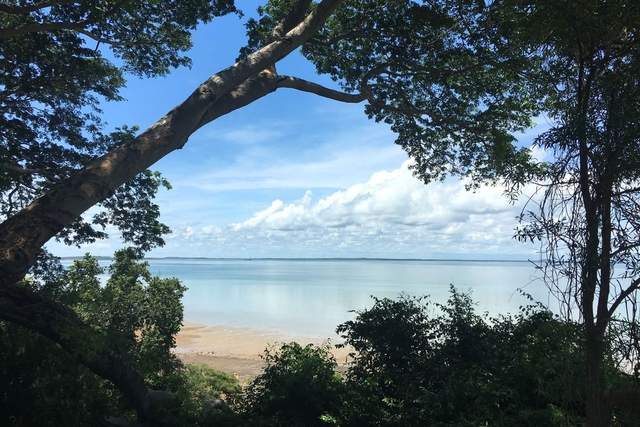
Darwin Harbour and the Top End's rivers are extraordinary paddling country — mangroves, sea eagles, wet-season waterfalls — but every waterway here must be assumed to hold saltwater crocodiles, and smaller craft carry more risk, not less. The NT Government's Be Crocwise program is required reading, and its Top End water activities guidance points paddlers to managed areas. In practice that makes Darwin guided-only territory: local operators know which stretches are appropriate and when. Go in the dry season, May to October. More at Darwin.
Jindabyne: alpine flatwater under the Snowies
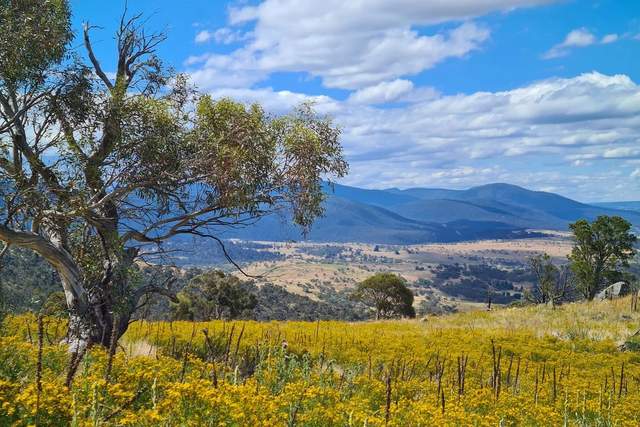
Lake Jindabyne is one of Australia's highest lakes, and paddling it — out to Lion Island and Cup Island, with the Snowy Mountains behind — is the calmest water on this list. Early mornings, when mist lifts off the surface, are the reason to set an alarm. It's an add-on to a Snowies hiking or biking trip rather than a destination in itself, and the season is firmly November to April; the lake is cold even in summer. More at Jindabyne.
How we chose this list
"Best" here means the quality and distinctiveness of the paddling itself — verified standing as a kayaking destination. We weighted a genuinely iconic waterway (Sydney Harbour, the Everglades, the Tasman cliffs), reliable conditions with an honest season attached, wildlife you can reasonably expect rather than hope for, and range across water types, from harbour and marine park to island passage and alpine lake. The list is limited to destinations we cover as places to base a guided trip from; Australia has more good water than any one list can hold.
A one-week itinerary
The east-coast core, with the outliers as extensions:
| Day | Base | The plan |
|---|---|---|
| 1–2 | Sydney | A guided Middle Harbour paddle first, then a main-harbour morning among the icons |
| 3 | Byron Bay | Fly or drive north; a guided dolphin paddle in Cape Byron Marine Park |
| 4–5 | Noosa | The headline: an Everglades day (or overnight) on the Upper Noosa River |
| 6 | Brisbane | Wind down with an easy twilight paddle under the Story Bridge |
| 7 | Extend | Dry season: Darwin, guided only. Summer: Hobart's cliffs or Jindabyne's lake |
Book the Sydney and Noosa days ahead in holiday periods — every paddle on this route is better moved to a calm morning than forced into a windy afternoon.
Frequently asked questions
Where is the best kayaking in Australia for beginners?
Brisbane's river is the easiest start: flat, sheltered and central, with no surf or swell. Jindabyne's lake and the calmer coves of Sydney Harbour come next. The Noosa Everglades are beginner-friendly too on a guided trip, since the water is mirror-still — the challenge is distance and afternoon wind on Lake Cootharaba, not technique.
Do I need a guide to kayak in Australia?
Not everywhere. Sheltered flatwater — Brisbane, Jindabyne, protected harbour coves — is fine self-guided in calm weather. A guide becomes the right call on open coast at Byron Bay, on Hobart's cliff lines, among the Whitsunday crossings, and for first-timers navigating Sydney's ferry traffic. In Darwin and the Top End, guided is effectively the only sensible option because of crocodiles.
Are there crocodiles where you kayak in Australia?
Only in the tropical north. Every Top End waterway around Darwin must be assumed to hold saltwater crocodiles, which is why paddling there runs through operators on managed waterways — follow the NT Government's Be Crocwise advice and never assume calm water is safe water. Sydney, Byron Bay, Noosa's Everglades, Brisbane, Hobart and Jindabyne are croc-free.
What is the best time of year for kayaking in Australia?
It depends on latitude. The tropical north — Darwin and the Whitsundays — is best in the dry season, roughly May to October, which also avoids stinger season. The alpine south, Jindabyne and Hobart, peaks November to April. Sydney, Byron Bay, Brisbane and Noosa paddle year-round, and everywhere on this list mornings are calmer than afternoons.
Can you see whales from a kayak in Australia?
Yes, in season. Humpbacks migrate along the east coast from roughly June to November, and Byron Bay's Cape Byron Marine Park is the standout place to be on the water while they pass. Dolphins are a near-daily sight there and regulars in Sydney Harbour and off Hobart. Keeping the legal distance is another thing guides handle for you.