

Sailing in Airlie Beach
3 September 2026
· By the HiyaGuide team
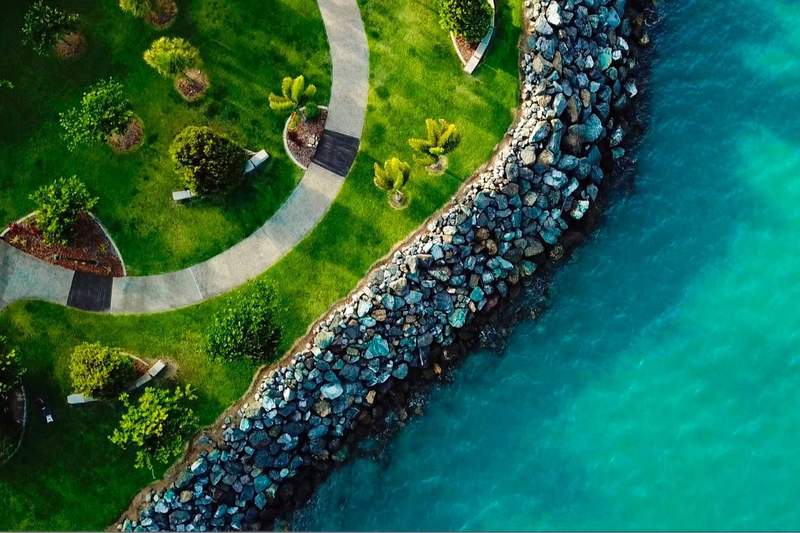
Photo by Andrew Photography on Pexels
Airlie Beach is mainland Australia's launch point for the 74-island Whitsundays, and sailing here means choosing between two very different trips: a self-skippered bareboat charter, or a skippered day sail or multi-day cruise with a guide aboard. Both put you among the same islands and fringing reef. The right choice comes down to experience, time, and how much of the navigation you actually want to do yourself.
Why sailors rate Airlie Beach so highly
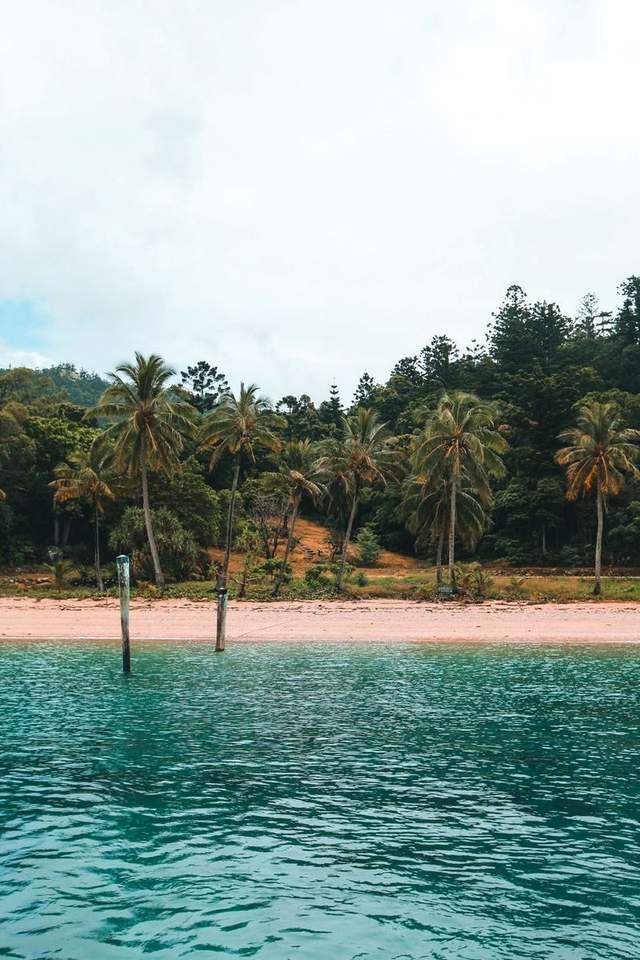
The Whitsundays sit inside the Great Barrier Reef's outer edge, so the swell that batters most of the Queensland coast never reaches them — the reef itself absorbs it. That leaves calm, sheltered water between 74 islands, most of them uninhabited, with sandy anchorages a short hop apart. It is the combination that sailors keep coming back for: island-hopping conditions rare anywhere else in the world, reached from a single marina town rather than a string of separate ports.
The scale of the fleet reflects it. Airlie Beach and neighbouring Shute Harbour host one of the largest charter bareboat fleets in the Southern Hemisphere, and the Whitsunday Sailing Club's Airlie Beach Race Week each August draws well over a thousand competitors for a week of offshore racing and shoreside festival — a serious sailing town, not just a tourist base for it.
Bareboat or skippered: how a Whitsundays charter works
There is no boat licence requirement in Queensland to charter here, which is why bareboating — chartering a yacht or catamaran and skippering it yourself — is the region's signature trip. Charter companies still run every guest through a briefing on the boat's systems, radio protocol, anchoring and the marine park's mooring rules before handing over the keys, and most expect some prior sailing experience or will pair inexperienced groups with a paid skipper for at least the first day.
| Option | Who it suits | What changes |
|---|---|---|
| Bareboat, self-skippered | Sailors with real prior experience | You navigate, anchor and make the weather calls; total freedom on route and timing |
| Bareboat with a day skipper | A capable crew short on local knowledge | A guide runs day one — anchorages, hazards, systems — then you take over |
| Fully skippered or crewed charter | First-time sailors, families, larger groups | A guide skippers the whole trip; you choose the itinerary, they execute it |
| Day sail aboard a guided vessel | Visitors without a multi-day booking | A single day among the islands, guide included, no boat to return |
None of these is the "wrong" way to sail the Whitsundays — bareboating without a skipper is legal, common, and part of what the region is known for. The honest trade-off is local knowledge: a first-time visitor bareboating alone will spend real time working out which bays hold overnight swell, which moorings fill up by midafternoon, and where the reef shallows without warning. A guide already knows all of it.
When to sail: season, wind and cyclone risk
The dry season, roughly June to October, is the settled window: lower humidity, lighter rain, and reliable trade winds that build through the day — good sailing breeze without the risk that comes later in the year. September and October are widely rated the best cruising weather, when the trade winds are established but the build-up humidity has not yet arrived.
The wet season runs November to April, and it carries two separate considerations. Marine stingers become present in these waters from around November to May, which matters for swimming stops rather than the sailing itself — operators supply stinger suits as standard through the season. More seriously, the Bureau of Meteorology's official tropical cyclone season for the Australian region runs 1 November to 30 April, with this stretch of coast among the more exposed. Charter operators track forecasts closely and will hold boats in port ahead of a system, but it is the reason experienced sailors favour the June–October window for anything booked well in advance.
What a Whitsundays charter shows you
Whitehaven Beach, on the eastern side of Whitsunday Island itself, is the trip's centrepiece: seven kilometres of near-pure silica sand, white enough to stay cool underfoot in the tropical sun. At its northern end, the tide mixes through Hill Inlet and paints the shallows in shifting bands of turquoise, best seen from the Hill Inlet lookout track above Tongue Bay. Beyond Whitehaven, itineraries thread between fringing-reef anchorages for snorkelling stops, uninhabited island beaches for a lunch stop, and — outside stinger season — clear water good enough to swim straight off the boat.
What a guide unlocks on a Whitsundays charter
A guide's real value here is not steering — it is knowing the 74 islands the way a local knows a neighbourhood. A guided skipper reads the wind forecast against the day's planned route and reorders it on the fly, picks the anchorage that will actually be sheltered that night rather than the one that looked good on the chart, and knows which reef patches hold coral worth stopping for versus which are better skipped. They also carry the safety margin a first-time charterer doesn't: real-time weather calls, VHF radio contact with the marine park and other vessels, and the reef knowledge to avoid running a keel into a bommie at low tide. For a first Whitsundays trip, or a shorter one where every day matters, that experience is the difference between seeing the highlights and finding them yourself.
What it costs and how the logistics work
Charters are typically booked by the boat rather than the person, so cost scales with group size — a fully crewed multi-day charter costs more than an equivalent bareboat, but it also replaces the deposit and damage-bond exposure that bareboat charters carry. Both routes need provisioning (most charter bases offer a pre-order grocery service) and a check-in briefing that takes an hour or more before you leave the marina. Book well ahead for the June–October season, when the fleet fills fastest, and build a spare day into the trip either side — weather holds are routine here, and a flexible schedule turns a delayed departure into a longer stay rather than a lost day.
What else there is to do between charters
Airlie Beach's marina strip is a full base in its own right for the days before or after a charter, with the fringing reef immediately offshore also drawing snorkelling and introductory scuba diving trips that need no charter at all. Sea kayaking around the same islands is a slower, human-powered way to see the same coastline, and skydiving over the reef and islands is the view from directly above it. For where Airlie Beach sits among Australia's other reef and island bases, see the best places to snorkel in Australia and the best places for kayaking in Australia, or browse everything on offer in Airlie Beach.
Your charter day: the day plan
A typical day on a guided Whitsundays charter, whether it is one day of a longer trip or a single-day sail:
| Time | The plan |
|---|---|
| 7:30 | Marina briefing and provisioning check, then cast off |
| 9:00–11:00 | Sail to the morning anchorage; guide reads wind and swell to pick the sheltered side |
| 11:00–13:00 | Whitehaven Beach or a fringing-reef stop; snorkel gear off the back of the boat |
| 13:00–14:00 | Lunch at anchor |
| 14:00–16:30 | Afternoon sail to the overnight or return anchorage |
| Evening | Sundowners on deck, or back into Airlie Beach's marina strip for dinner |
Confirm the operator's stinger-suit policy before booking if travelling in the wetter months, and keep at least one buffer day free either side of the trip — a weather-delayed departure is routine, not a sign anything has gone wrong.
Frequently asked questions
Do I need sailing experience to charter in the Whitsundays?
Not for a skippered or crewed charter — a guide does the sailing and you choose the itinerary. For a self-skippered bareboat charter, operators generally expect some prior experience and will assess you before handing over the boat; if you are short on experience, most companies offer a paid skipper for the first day or the whole trip instead.
What is the best time of year to sail Airlie Beach?
June through October is the settled, dry-season window, with September and October rated the best cruising weather as trade winds establish before the humidity builds. November through April is Queensland's official tropical cyclone season, and stinger suits become standard for swimming stops from around November. There is good sailing outside the dry season, but it needs more flexibility around weather.
Is Whitehaven Beach reachable without a boat?
No — Whitehaven Beach sits on Whitsunday Island, offshore from Airlie Beach, and every route there is by boat, whether a day-trip vessel, a charter you skipper yourself, or a scenic flight that lands nearby. There is no road or ferry access to the beach itself.
Is a bareboat charter actually safe for a first-timer?
It can be, but the safety margin comes from honesty about experience. Operators brief every charterer on the boat, the marine park's rules and the forecast, and most pair inexperienced groups with a paid skipper rather than refusing the booking outright. A first Whitsundays trip with no sailing background at all is a better fit for a skippered or crewed charter, or a single guided day sail, than a solo bareboat booking.