

Rock Climbing in Wanaka: Crags, Seasons and Guided Days
8 October 2026
· By the HiyaGuide team
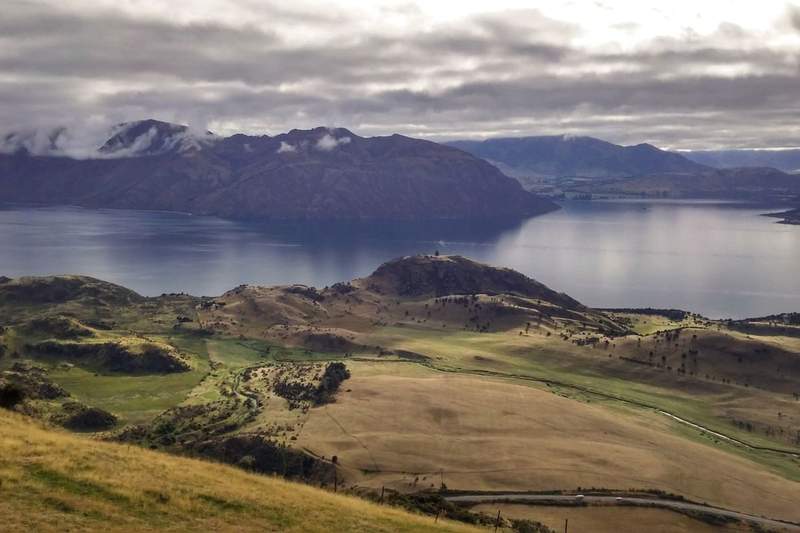
Photo by Baptiste Valthier on Pexels
Wanaka is one of New Zealand's busiest rock climbing towns, built around several good crags rather than one famous wall. Hospital Flat and Diamond Lake carry most of the traffic, with hundreds of bolted sport routes on sun-warmed schist within twenty minutes of town, while the Matukituki Valley and the wider Mount Aspiring high country add trad and alpine objectives for stronger climbers. Climbing runs most of the year here; the real questions are which crag suits today's weather, and when a guide is worth booking.
Why Wanaka works so well for rock climbing
Few towns this size put so much rock within a short drive. The Department of Conservation, which manages the Diamond Lake and Hospital Flat conservation areas on Wanaka's western shore, describes both as major destinations for climbers and walkers alike, and locals treat them as the town's default after-work crag. The schist rock takes bolts well and holds grip even when polished, and the sheer spread of grades across the two areas means a first-timer and a climber chasing a hard onsight can drive out together and both have a good day.
How climbing here actually works
Wanaka's climbing splits cleanly into two styles. Most days are spent sport climbing: single-pitch routes protected by fixed bolts, graded roughly 14 to 29, spread across half a dozen named sectors at the valley crags. Bring your own rope and quickdraws — gear rental in town is limited and effectively non-existent for technical kit. For climbers who want more, the Matukituki Valley and the glaciated country above it open up alpine and multi-pitch routes; the valley's best-known multi-pitch line, graded 17 and requiring a 40-metre free-hanging abseil to descend, is the kind of outing that rewards double ropes and a partner who has done it before.
When to climb: seasons and the spring lambing gate
Climbing is possible most of the year, but the seasons change what a day out actually feels like. The Department of Conservation's Wanaka outdoor pursuits guide breaks the local climate into four bands that map neatly onto a climbing trip.
| Season | Conditions | Best for |
|---|---|---|
| Summer (Dec–Feb) | Hot and dry, 21–34°C | Shaded crags and a swim in the river between routes |
| Autumn (Mar–May) | Warm and settled, 12–25°C | The best all-round window — mild, fewer rainy days |
| Spring (Sep–Nov) | Changeable, 11–17°C | Sun-facing crags; check access before the lambing closure |
| Winter (Jun–Aug) | Cold with occasional snow, 0–12°C | Sun-facing walls only, and short days |
Parts of Hospital Flat and Diamond Lake cross pastoral lease land, and the farmers who run stock there ask climbers to stay off certain paddocks during spring lambing, roughly October into mid-November. It is a courtesy rather than a locked gate, but a guide who climbs there every week knows exactly which approach is open that fortnight — one less thing to get wrong on a short trip.
The crags, from easy days to multi-pitch
Hospital Flat, about 12 kilometres from town on the road into the Matukituki Valley, is the workhorse crag: roomy parking, a short walk in, and enough south-facing rock that it stays climbable even in winter sun. Diamond Lake, a few kilometres further on, is shadier and slower to dry after rain but is arguably the better summer venue, with long slab pitches that stay cool through the afternoon. Closer to town, the riverside crags near the Motātāpu River are the easiest introduction of all — low grades, a short approach, and a swimming hole right beside the rock for the walk out.
What a guide unlocks here
A guide earns their place fastest on the access side. Several of Wanaka's best crags sit on a patchwork of conservation and private pastoral land, and a guide who climbs there weekly knows which paddocks are off-limits, which crag dried out fastest after last night's rain, and which sector matches your grade without a wasted drive. On the safety side, a guide checks ageing fixed bolts before you trust your weight to them, runs the rope systems that make a multi-pitch descent routine rather than stressful, and reads alpine terrain in the high country that punishes a wrong call. For anyone still building skills, a guided day compresses weeks of trial and error: proper belaying, clean lead technique, and honest feedback on what grade you are actually ready for, all in a single afternoon. Because technical gear is hard to hire locally, booking a guide is also the simplest way to climb here without owning a full kit.
Costs, gear and logistics
A half-day guided introduction at the valley crags costs noticeably less than a full day that pushes into multi-pitch or alpine terrain, and group rates bring the per-person price down further than a private lesson. What you need to bring depends on how the day is run.
| Gear | Usually provided on a guided day | Worth bringing yourself |
|---|---|---|
| Rope, quickdraws, harness | Yes | Only if you already own a set you trust |
| Climbing shoes | Sometimes, confirm when booking | Your own fit well and break in faster |
| Helmet | Yes, especially for multi-pitch or alpine routes | — |
| Weatherproof layers, water, sun protection | No | Always — Otago's UV is strong even on a mild day |
Book ahead in the busy summer and autumn months, and build a spare day into longer trips — the crags dry out quickly after rain, but a wet morning can still cost you a session.
Beyond the rock
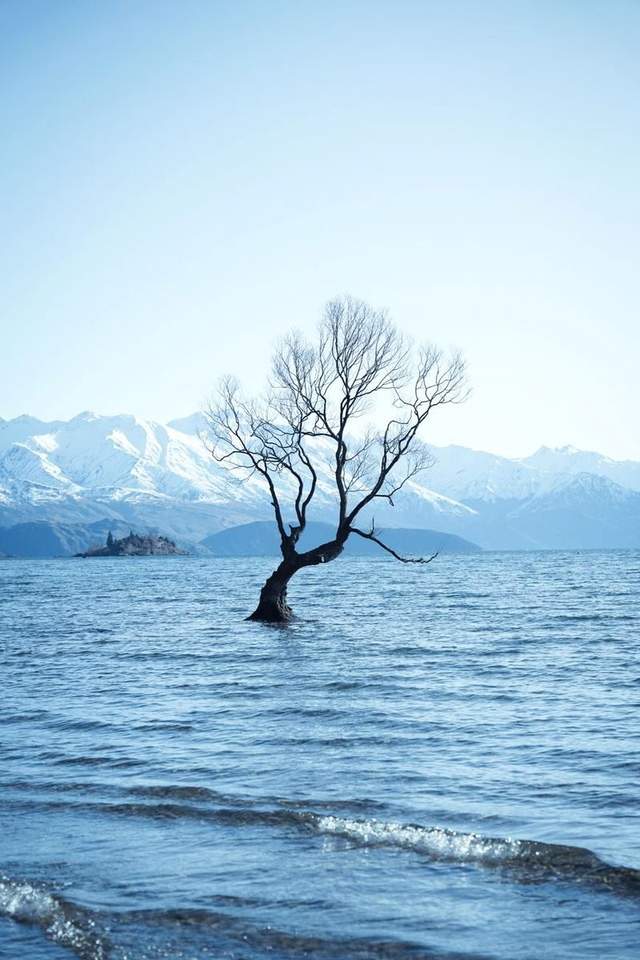
Wanaka rewards a few spare days either side of a climbing trip. The lake and surrounding valleys are some of the best hiking country in the South Island, the local hills and backcountry are well known for skiing once the snow arrives, and Lake Wānaka itself is flat and sheltered enough for an easy afternoon of kayaking. For the full picture of what the town offers beyond the crags, see Wanaka's destination guide, or compare it with a nearby base in Wanaka or Te Anau for hiking and Queenstown or Wanaka for skiing.
Your first climbing day in the valley, the day plan
A sensible shape for a first guided day at the valley crags:
| Time | The plan |
|---|---|
| 8:30 | Meet in town, gear check and a short drive out to the crag |
| 9:15–10:00 | Warm-up routes while your guide reads the day's conditions |
| 10:00–12:30 | Steady progression up the grades, with real feedback on technique |
| 12:30–13:15 | Lunch and a swim if the river crag is in play |
| 13:15–16:00 | Harder routes, or a short multi-pitch if the group is ready |
| Evening | Stretch, rehydrate, and book tomorrow's crag around the forecast |
Keep a buffer day in a multi-day trip — the better crags dry quickly, but a washed-out morning is common enough that flexibility pays off.
Frequently asked questions
Do I need previous climbing experience to book a guide in Wanaka?
No. Guided half-day introductions at the valley crags are built for first-timers, covering harnesses, belaying and basic technique before you leave the ground. Climbers with experience can ask for a day pitched at their grade instead, including multi-pitch or alpine objectives for those ready for them.
What is the best time of year to climb in Wanaka?
Autumn, roughly March to May, offers the most settled weather and the widest choice of dry crags. Summer is hot but workable if you pick shaded or south-facing rock, winter suits sun-facing walls only, and spring is good once the short lambing-season access restriction has passed in mid-November.
Can beginners rock climb in Wanaka, or is it for experienced climbers only?
Both. The valley crags carry a huge range of grades, including plenty of easy, well-bolted routes suited to a first day outdoors, alongside harder lines for experienced climbers. A guide matches the day to your level rather than assuming one difficulty fits everyone.
Is it safe to rock climb in Wanaka without a guide?
Experienced climbers with their own gear climb the valley crags independently every day, and many routes are straightforward sport pitches. Where it gets serious is ageing fixed gear, multi-pitch descents and anything in the alpine terrain above the valley — that is where a guide's judgement on bolts, ropes and conditions genuinely changes the risk.