

Jackson or Bozeman for Skiing?
1 October 2026
· By the HiyaGuide team
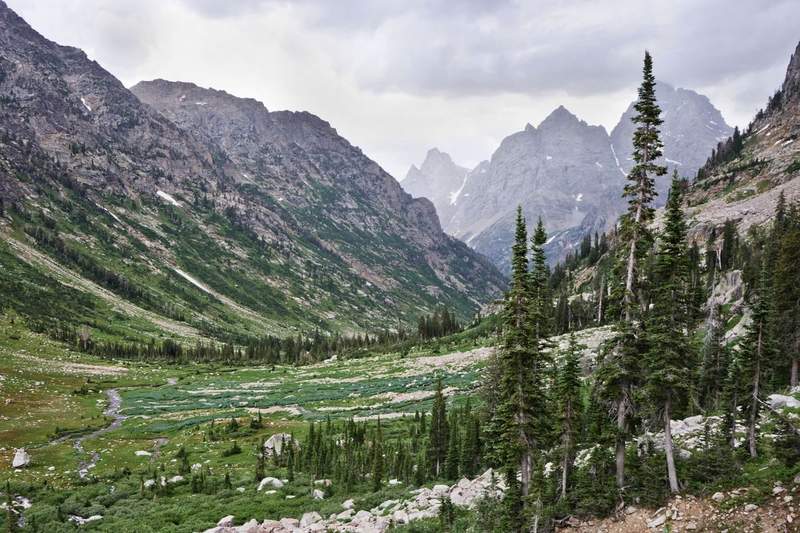
Photo by Robert Schrader on Pexels
Jackson wins for one big reason: Jackson Hole Mountain Resort sits a short drive from town and carries the longest continuous vertical drop of any ski area in the country, with terrain built around that legend. Choose Bozeman instead if a single mountain isn't the point — it bases two opposite experiences, a non-profit local hill and the country's biggest skiable acreage, neither inside town. Skiers chasing one unforgettable descent should book Jackson; skiers wanting range, or splitting a trip with Yellowstone, lean Bozeman.
How the two trips compare
| Jackson | Bozeman | |
|---|---|---|
| Nearest ski area(s) | Jackson Hole Mountain Resort, in Teton Village, about 20 minutes from town | Bridger Bowl, 16 miles north; Big Sky Resort, about an hour south |
| Vertical drop | 4,139 feet — longest continuous drop in the US | 2,600 feet at Bridger Bowl; 4,350 feet from the Big Sky summit tram |
| Skiable terrain | About 2,500 acres | About 2,000 acres at Bridger Bowl; 5,850 acres at Big Sky |
| Season | Late November to mid-April | Mid-December to mid-April at Bridger Bowl; similar window at Big Sky |
| Airport | Jackson Hole Airport, inside Grand Teton National Park | Bozeman Yellowstone International, in town |
| Character | One famous, steep, expert-leaning mountain | A no-frills community hill, or North America's largest single resort — your choice |
The shape of it: Jackson puts one legendary mountain minutes from the airport. Bozeman makes you choose, or drive to both — a scrappy field locals still run themselves, and a resort claiming more skiable acreage than any other in the country.
Jackson Hole: America's longest vertical, one tram ride away
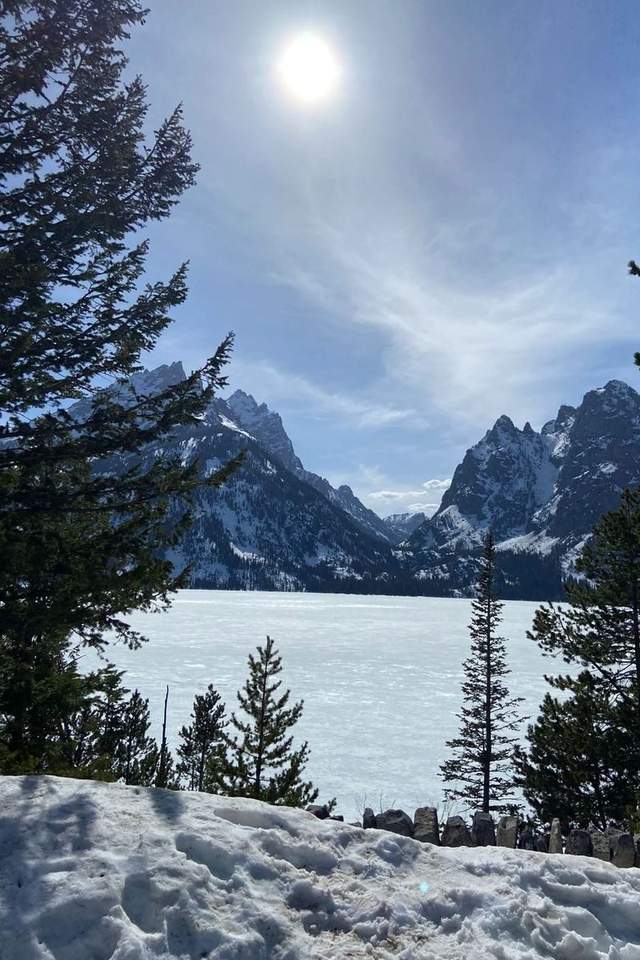
Jackson Hole Mountain Resort, across the valley in Teton Village, holds the longest continuous vertical drop of any ski area in the United States at 4,139 feet, spread over roughly 2,500 acres and 131 trails served by 13 lifts. The Aerial Tram carries skiers from the base at 6,311 feet to the 10,450-foot summit in under ten minutes, opening onto Rendezvous Bowl and, just off to one side, Corbet's Couloir — widely considered the most famous and intimidating inbounds run in North America, a near-vertical entry that has turned spectating skiers hesitate at the lip into its own tradition. Corbet's Cabin, perched at the summit, serves waffles to anyone who rode the tram up rather than skied in. Jackson Hole Airport sits inside Grand Teton National Park itself, one of only a handful of commercial airports anywhere inside a national park, which means the mountain is close enough to reach on the day a flight lands.
Bozeman: a local hill and the country's biggest resort, both a drive away
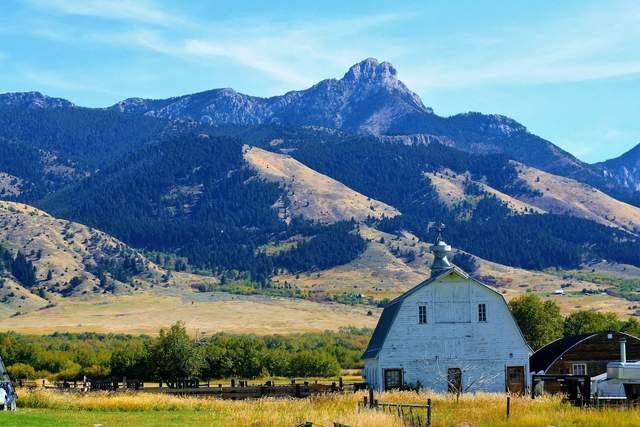
Bozeman has no resort inside the town itself, but it bases two that could not be more different. Bridger Bowl, 16 miles north, is one of only four non-profit ski areas left in the US — locals founded it as a cooperative in 1954, and it still reinvests every dollar into the hill rather than shareholders, over roughly 2,000 acres and a 2,600-foot vertical drop with eight lifts and famously light, abundant snow. Big Sky Resort, about an hour south through Gallatin Canyon, is the opposite end of the scale: 5,850 skiable acres, more than any other resort in the country, reached by a summit tram that climbs Lone Mountain to 11,166 feet and over 4,350 vertical feet from top to base. Bozeman Yellowstone International Airport sits in town, so either mountain is a single onward drive, and Yellowstone National Park's west entrance is close enough to pair with a ski trip.
Which one fits your trip
Choose Jackson if
One unforgettable mountain matters more than variety, the group skis confidently enough to want terrain that lives up to its reputation, and flying in and skiing the same afternoon appeals.
Choose Bozeman if
The trip wants a choice between a quiet, community-run hill and the country's biggest resort, a longer stay that can use both, or a pairing with Yellowstone in the same week.
What a guide unlocks on either trip
Groomed, lift-served terrain at any of these three mountains needs nothing beyond a lift ticket and the legs to use it. The case for a guide shows up at the edges. At Jackson, the resort has run seven marked backcountry gates since 1999 — Rock Springs Canyon is the gentle introduction, while Four Shadows demands a cornice jump into steep, rocky terrain — and every one of them expects a beacon, shovel and probe, carried properly rather than just owned. Bridger Bowl's equivalent is the Ridge, hike-to terrain above the top lift that takes 15 to 20 minutes of climbing and the same beacon-and-shovel kit; the Schlasman's lift there is the only chairlift in the US that requires a working avalanche transceiver just to ride it. None of that is terrain to learn on alone, and a local guide brings the route-finding and snowpack judgement that only comes from reading that specific mountain day after day. Confident skiers sticking to marked runs can self-guide any of the three; going guided earns its cost the moment beacons come out.
Your first day: the day plan
A first day built for whichever mountain you've picked, tuned to settle in before pushing into anything gated:
| Time | The plan |
|---|---|
| 8:00 | Check the morning snow report and grab the lift ticket |
| 8:30 | First chair or tram while the groomers are still untouched |
| 10:30 | A guided run to read today's snow before heading into anything steeper |
| 12:30 | Lunch at the base, boots unbuckled |
| 13:30 | Free skiing, matched to what the morning's conditions actually allowed |
| 15:30 | Last chair, then the drive back before the road ices over |
Book any guided slot the day before — Jackson's tram queue and Big Sky's gondola both fill fast on a powder morning, and a good instructor's calendar fills faster.
Frequently asked questions
Is Jackson or Bozeman better for skiing?
Jackson has one mountain with the longest vertical drop in the US and terrain built around that scale, all a short drive from its airport. Bozeman has no resort in town but bases two very different ones, a small non-profit hill and the country's biggest resort by acreage, both roughly an hour or less away. Jackson suits a trip built around one legendary mountain; Bozeman suits a trip that wants range or is pairing skiing with Yellowstone.
How do I get to Jackson Hole and the ski areas near Bozeman?
Jackson Hole Airport sits inside Grand Teton National Park itself, with Jackson Hole Mountain Resort about 20 minutes away in Teton Village. Bozeman Yellowstone International Airport is in town, with Bridger Bowl 16 miles north and Big Sky Resort roughly an hour south through Gallatin Canyon.
What is Corbet's Couloir?
Corbet's Couloir is the near-vertical chute off the summit of Jackson Hole Mountain Resort, widely regarded as the most famous and intimidating inbounds run in North America. It is reached via the Aerial Tram and sits beside Corbet's Cabin, a summit hut known for serving waffles.
Do I need an avalanche beacon to ski at Jackson or Bridger Bowl?
Only for the terrain outside the groomed, lift-served runs. Jackson's seven backcountry gates and Bridger Bowl's hike-to Ridge both require a beacon and shovel, and Bridger's Schlasman's lift will not let you ride without a working transceiver. Marked runs at either resort need no special gear.
Can I ski both Bridger Bowl and Big Sky from Bozeman?
Yes — they sit on opposite sides of town, Bridger Bowl 16 miles north and Big Sky about an hour south, so a longer Bozeman trip can realistically use both: a low-key local day at Bridger and a big-mountain day at Big Sky.