

Whistler or Banff for Skiing?
21 September 2026
· By the HiyaGuide team
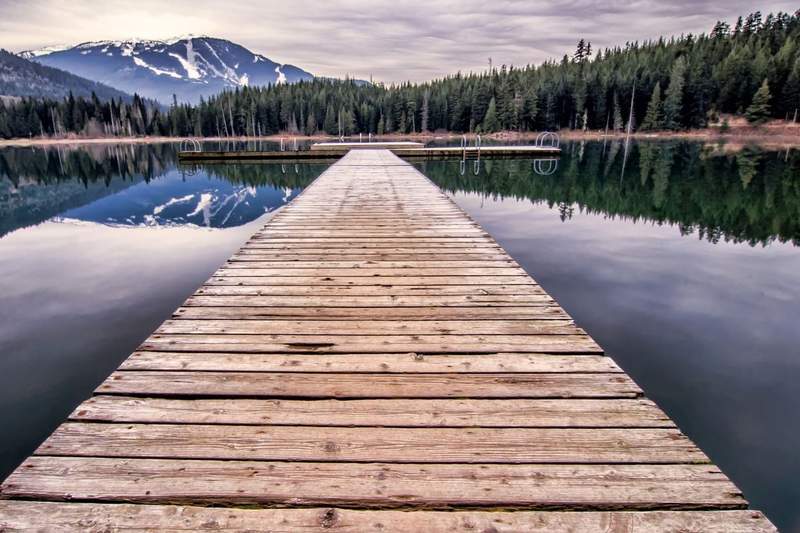
Photo by James Wheeler on Pexels
Whistler wins on sheer scale: one connected resort with North America's biggest skiable terrain and its longest vertical drop. Choose Banff instead for a national-park setting split across three smaller, distinct fields, lighter and drier snow, and a season that starts earlier and runs longer. Both reward a full week; neither is a wrong choice, but they suit different trips.
How the two compare
| Whistler | Banff | |
|---|---|---|
| Resorts | Whistler Blackcomb (one, two mountains) | Sunshine Village, Lake Louise, Mt Norquay (three, shared ticket) |
| Skiable terrain | Around 8,170 acres | Around 7,700–8,000 acres combined |
| Vertical drop | About 1,609 metres | Roughly 1,000 metres at Sunshine and Lake Louise |
| Season | Late November to early May | Early November to late May |
| Nearest airport | Vancouver, about 2.5 hours by road | Calgary, about 90 minutes by road |
| Setting | Purpose-built resort village | Working towns inside a national park |
| Terrain character | Glaciers, alpine bowls, deep backcountry access | Wide-open alpine bowls, one famous expert gate |
The shape of the choice: Whistler is a single enormous mountain system reached via a longer transfer; Banff is three separate personalities inside protected wilderness, reached quickly from a major airport but requiring a park pass to enter.
Whistler: North America's biggest resort, one lift ticket
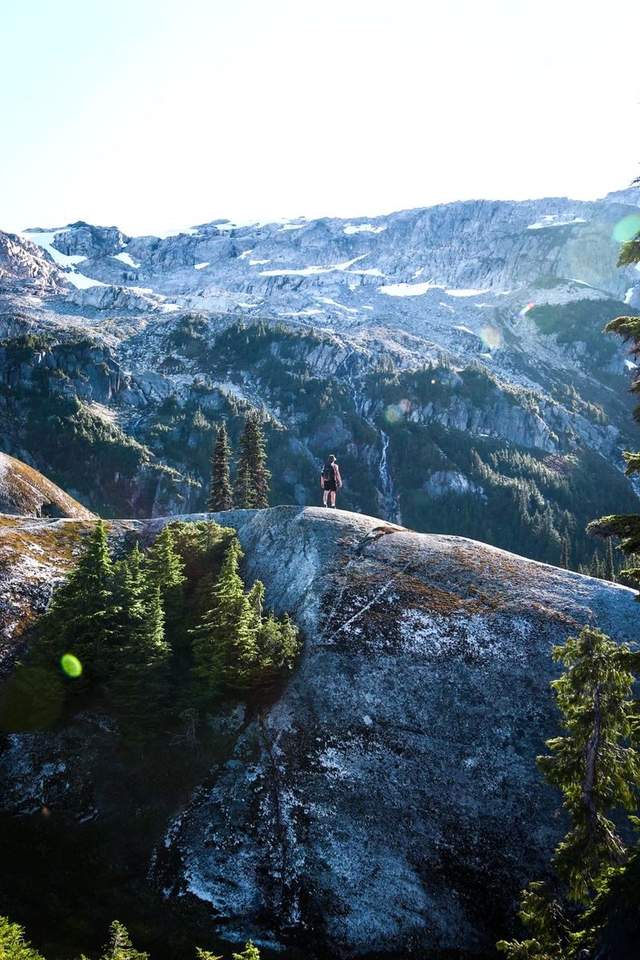
Whistler Blackcomb is the largest ski resort in North America, spreading across roughly 8,170 acres on two interconnected mountains with over 200 marked runs, 16 alpine bowls and three glaciers between them. Vertical drop runs to about 1,609 metres, among the biggest anywhere on the continent, and terrain is genuinely spread across the ability range — beginner and intermediate runs make up close to 60% of the mountain, with the rest given to advanced and expert lines. The Peak 2 Peak Gondola links Whistler and Blackcomb mountains directly, letting skiers move between the two without dropping back to the village. Beyond the lift-served terrain, the Spearhead Traverse threads roughly 34 kilometres and 13 glaciers between the two mountains, a multi-day ski-mountaineering route that draws experienced backcountry travellers from well beyond Whistler. The nearest airport is Vancouver, around 135 kilometres and about two and a half hours away by road along the Sea-to-Sky Highway; there is no airport in Whistler itself.
Banff: three fields inside a national park
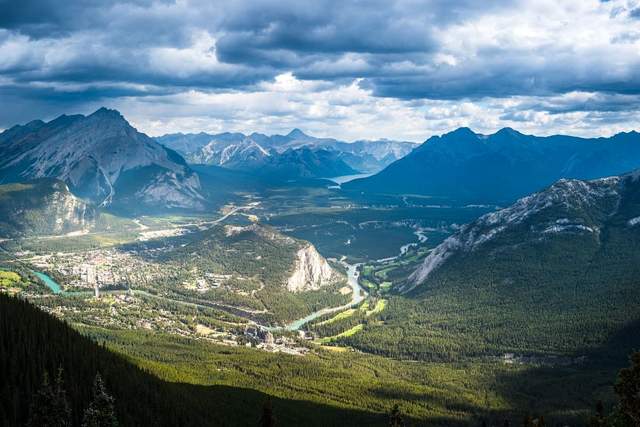
Banff's skiing is split across three resorts collectively marketed as SkiBig3 — Banff Sunshine Village, Lake Louise Ski Resort and Mt Norquay — sold on one shared lift ticket that covers roughly 7,700 to 8,000 combined acres. Sunshine Village sits at high elevation and can see up to nine metres of snow a season, a combination locals credit for keeping the snow light and dry. Lake Louise is the biggest of the three and has repeatedly topped reader polls as Canada's favourite ski resort, prized as much for its scenery as its terrain; it sits about 45 minutes further from Banff town than Sunshine. Mt Norquay, the closest field to town, carries the strongest beginner terrain of the three and is Banff National Park's only spot for night skiing. All three resorts, including the ski areas themselves, sit inside Banff National Park, so a Parks Canada park pass is required to enter — a detail worth building into trip planning that Whistler's visitors never think about. Calgary International Airport is the gateway, about 130 kilometres and roughly 90 minutes by road.
Which one fits your trip
Choose Whistler if
Terrain volume and vertical matter most, or the group wants one resort big enough to fill a full week without repeating a run — plus real backcountry and glacier access for those with the skills to use it.
Choose Banff if
A national-park setting is part of the appeal, or the trip wants variety across three distinct mountains rather than one very large one. Banff also suits an earlier or later-season trip, given its longer overall window.
What a guide unlocks on either mountain
Groomed and marked terrain at both destinations is open to anyone with a lift ticket, so nothing stops a confident skier heading out alone. The value of a guide shows up at the edges of each mountain. At Whistler, the Spearhead Traverse and the glaciers either side of the Peak 2 Peak crosses heavily crevassed ground and demands route-finding and avalanche judgement that only comes from skiing that terrain repeatedly — not something to learn on the first attempt. At Sunshine Village, the resort's famous expert gate is gated by a beacon check and requires a transceiver, probe, shovel and a similarly equipped partner before it opens at all; a local guide brings both the gear discipline and the terrain knowledge to use it well rather than just meet the entry rule. For a first visit to either destination, an instructor also shortens the learning curve on an unfamiliar lift system and a mountain a local reads far faster than a guidebook can teach. Confident skiers sticking to marked runs can self-guide either resort without trouble; going guided pays off on a powder day, off-piste, or on any terrain gated by avalanche gear.
Your first day: the day plan
A first day tuned for someone still finding their bearings, at either resort:
| Time | The plan |
|---|---|
| 8:00 | Check the snow report and pick up the day's lift ticket |
| 8:30 | First chair while the groomers are still fresh |
| 10:00 | A guided run or lesson to read today's conditions before going it alone |
| 12:30 | Lunch at a base lodge, boots off |
| 13:30 | Free skiing on runs matched to the morning's conditions |
| 15:30 | Last chair, then the transfer back before roads ice over |
Book the guided morning slot a day ahead where possible — both destinations get busy on powder mornings, and an instructor's time fills first.
Frequently asked questions
Is Whistler or Banff better for skiing?
Whistler has the bigger, more continuous terrain and the longer vertical drop, making it the stronger choice for skiers who want one very large mountain system. Banff spreads skiing across three smaller resorts inside a national park, with a longer season and a different, more scenic setting. Neither is objectively better — it depends on whether scale or variety matters more.
How do I get to Whistler and Banff?
Whistler is reached from Vancouver International Airport, about 135 kilometres and roughly two and a half hours by road along the Sea-to-Sky Highway, with no airport in the town itself. Banff is reached from Calgary International Airport, about 130 kilometres and around 90 minutes by road, with Lake Louise a further 45 minutes west of Banff town.
Do I need a park pass to ski in Banff?
Yes. Banff Sunshine Village and Lake Louise Ski Resort both sit inside Banff National Park, so a Parks Canada park pass is required to enter, in addition to a lift ticket. Whistler carries no equivalent park entry requirement.
When is the best time to ski Whistler or Banff?
Whistler's season typically runs from late November to early May. Banff's three resorts run longer, from early November into late May, with Sunshine Village holding the longest non-glacial ski season in Canada. Both destinations see their most reliable snow through January and February.
Do I need a guide to ski at Whistler or Banff?
Not for marked, lift-served terrain within your ability — lift tickets are open to anyone. A guide earns its cost on Whistler's backcountry and glaciated terrain, and at Sunshine Village's gated expert zone, where avalanche gear and local knowledge of current conditions matter far more than they do on a groomed run.