

Jackson or Bozeman for Fly Fishing?
24 September 2026
· By the HiyaGuide team
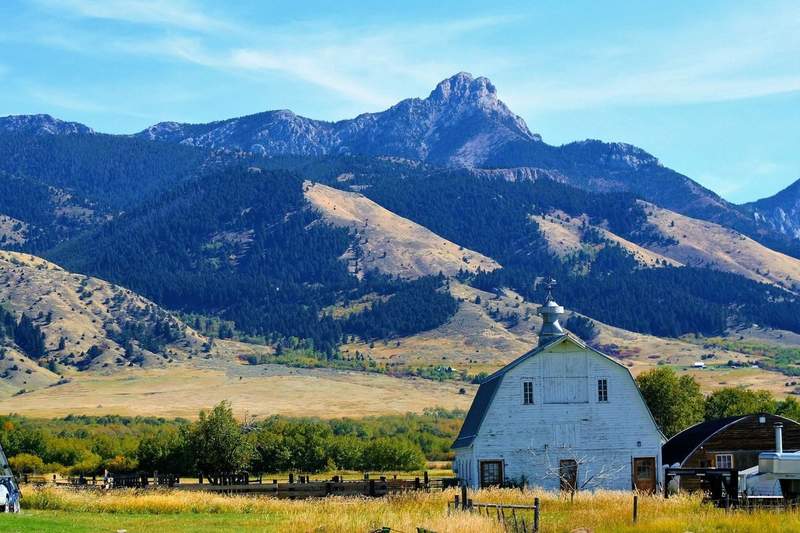
Photo by Kerry on Pexels
Bozeman wins on range: four blue-ribbon trout rivers inside a half-hour drive of downtown, with a season that opens in spring and runs into autumn streamer fishing. Choose Jackson instead for water Bozeman can't match — a technical spring creek casting to wild, educated cutthroat, and a big Western river built for a drift-boat day. Both sit at the edge of Yellowstone country; only one lets you fish four rivers without changing hotels.
How the two towns compare
| Jackson | Bozeman | |
|---|---|---|
| Home water | Snake River, plus the South Fork an hour south | Gallatin, Madison and Yellowstone rivers |
| Native trout | Snake River fine-spotted cutthroat | Wild rainbow, brown and native cutthroat |
| Season opens | Pre-runoff lull in March–April, then real fishing from late June | Freestone rivers switch on from mid-June; some tailwater fishes earlier |
| Peak window | Mid-July to mid-September | Summer through the September hopper season |
| Standout water | Flat Creek, a spring creek inside the National Elk Refuge | The Gallatin's high-density wade water and the Madison's 50-mile riffle |
| Park permit quirk | A Wyoming licence covers the Snake; Grand Teton floats need a separate boat permit | A Montana licence covers town rivers, but Yellowstone National Park water needs its own permit |
The pattern holds across both: neither town's best fishing is walk-out-the-door easy, and neither trades width for depth — Bozeman spreads it across rivers, Jackson concentrates it into two very different kinds of water.
Bozeman: four rivers, one town
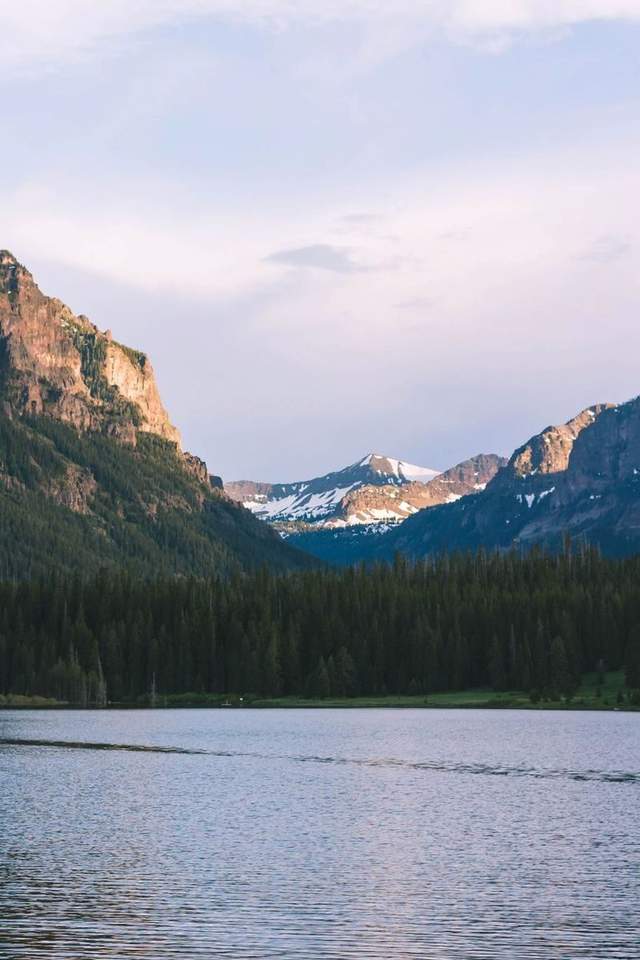
The Gallatin, Madison and Yellowstone rivers all sit within roughly half an hour to an hour of Main Street, and all three carry Montana's blue-ribbon trout-stream designation. The Gallatin, running south of town through its namesake canyon, holds a genuinely high trout density that rewards a day of straightforward wade-and-cast fishing. The Madison is the more varied river: muscular pocket water near Raynolds Pass gives way to the famous 50-mile riffle between Lyons Bridge and Ennis, water fished the same way for generations. The Yellowstone, the longest free-flowing river left in the lower 48, runs closest to town near Livingston and fishes well from a drift boat or on foot along its public banks. The season builds early — the Mother's Day caddis hatch in late April and the salmonfly hatch in late June are two of the most reliable dates on any Montana angler's calendar — and holds through summer into a fall run of streamer fishing for trophy brown trout.
Jackson: a spring creek and the big Snake
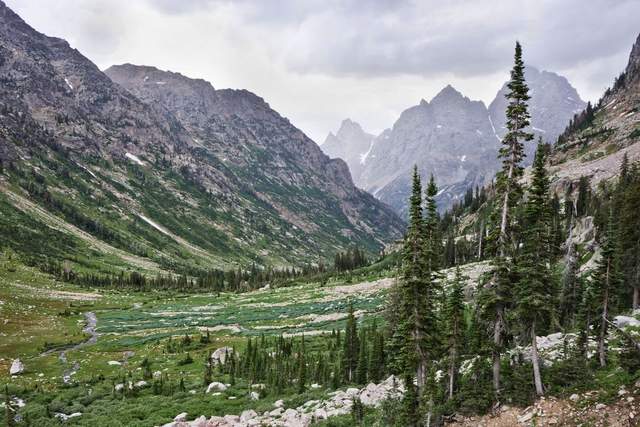
Flat Creek, threading through the National Elk Refuge just north of town, is a true spring creek: constant temperature, reliable hatches, and wild Snake River fine-spotted cutthroat that run 14 to 20 inches in water clear enough to see them refuse a fly. It opens on 1 August and stays open through October under artificial-flies-only rules, which is exactly the kind of technical, unforgiving fishing that draws anglers who already have easier water figured out. The Snake River itself is the opposite experience — big, floatable water that clears after spring runoff and fishes best from late June, when stoneflies and mayflies bring on dry-fly action, through hopper season in August and into October's low, clear flows. An hour south over Teton Pass, the South Fork of the Snake adds a third option: a tailwater out of Palisades Dam rated among the best dry-fly fisheries in the country, where roughly 60% of the fish are native cutthroat rather than stocked rainbows.
Which one fits your trip
Choose Bozeman if
Variety across a week matters more than any single river — four distinct rivers inside an hour let a group fish a different character of water every day without repeating a drive.
Choose Jackson if
You want the specific, harder experience: technical dry-fly work on a spring creek against fish that have seen every pattern, plus one big Western river for the days you want distance covered rather than precision.
What a guide unlocks on either river
None of this water requires a guide to legally fish — a state licence and, on refuge or park water, the right permit are all the law asks for. What a guide actually buys is water most visitors waste a trip learning the hard way. On Flat Creek, that's reading which of a dozen visible cutthroat is actually feeding and matching a hatch precise enough to fool it, skills built from fishing the same three miles for years. On the Snake and the South Fork, it's boat control through braided channels and log jams that change every runoff, plus knowing which side channel holds fish on a given flow. Near Bozeman, a guide's real value is triage: which of four rivers is fishing best today, given water temperature, recent weather and where the hatch is running, is a question a local answers in a sentence and a visitor spends a day finding out. Confident anglers with their own drift boat and a season of local homework can fish any of this water alone; a first trip, or a day on Flat Creek specifically, is where a guide earns the day rate fastest.
Your day on the water: the day plan
A first day built around wading, tuned to whichever town you've chosen:
| Time | The plan |
|---|---|
| 6:30 | Check the river gauge and the morning's hatch chart |
| 7:30 | Early water while the light is low and fish are less spooky |
| 10:00 | A guided session on the technical water — Flat Creek or the Gallatin's faster runs |
| 13:00 | Lunch streamside, rods down through the midday lull |
| 15:00 | Afternoon hatch — hoppers in late summer, streamers in fall |
| 19:00 | Off the water before last light, boots dried for tomorrow |
Build in one buffer day if the trip allows it — both towns sit downstream of mountain weather, and a blown-out river after a storm is common enough that a spare day saves the trip rather than the whole week.
Frequently asked questions
Is Jackson or Bozeman better for fly fishing?
Neither is objectively better; they suit different trips. Bozeman gives a group four distinct blue-ribbon rivers within about an hour, good for a week that wants variety. Jackson concentrates its best fishing into two very different experiences — Flat Creek's technical spring-creek dries and the Snake's big floatable water — which suits anglers chasing a specific, harder challenge over breadth.
When is the best time to fish near Jackson or Bozeman?
Both regions peak in summer once spring runoff clears, typically from late June. Jackson's Snake River fishes best from late June through October, with Flat Creek open only 1 August to end of October. Bozeman's freestone rivers switch on from mid-June, though the Madison's tailwater sections and the Mother's Day caddis hatch in April offer earlier options.
Do I need a special permit to fish in Yellowstone or Grand Teton?
Yes, and it catches first-time visitors out. Yellowstone National Park requires its own fishing permit — a state licence from Wyoming, Montana or Idaho is not valid inside the park boundary. Grand Teton National Park accepts a Wyoming state licence for fishing but requires a separate boat permit for any craft floating the Snake River within the park.
Is the fishing near Jackson or Bozeman good for beginners?
Both towns have easier water alongside their hardest — a guided half-day on open sections of the Snake or the Gallatin suits a first-timer well. Flat Creek and the Madison's technical riffle water are a poor place to start; they're built for anglers who already have the basics down and want to be tested.
Do I need a guide to fish near Jackson or Bozeman?
Not for open, public water within casting ability — both states' rivers are open to anyone with the right licence and permit. A guide earns its cost fastest on Flat Creek's fussy cutthroat, on any drift-boat day through unfamiliar braided channels, and on a first visit to either town, where knowing which of several rivers is fishing well today is the difference between a good day and a wasted one.