

Cairns or Port Douglas for Snorkelling?
1 September 2026
· By the HiyaGuide team
Photo by Josh Withers on Pexels
Port Douglas is the better pick for snorkelling itself — it sits closer to the outer Ribbon Reefs, where visibility is at its clearest, and its boats run smaller, quieter trips. Choose Cairns instead if you want more tour choice, a bigger range of prices, or a livelier base with more to do after the boat gets back. Both reach the same reef; the difference is what surrounds the reef day.
How they compare
| Cairns | Port Douglas | |
|---|---|---|
| Reef access | Inner and mid-shelf reefs, widest choice of trips | Closer run to the outer Ribbon Reefs |
| Season | Best May–October | Best May–October |
| Crowds | Busier marina, backpacker energy | Quieter, smaller-group trips |
| Cost level | Budget to luxury — the widest range | Mid-range to luxury |
| Who it suits | First-timers wanting choice, bigger groups, backpackers | Couples, snorkellers chasing clearer water, families wanting calm |
Cairns: the bigger reef gateway
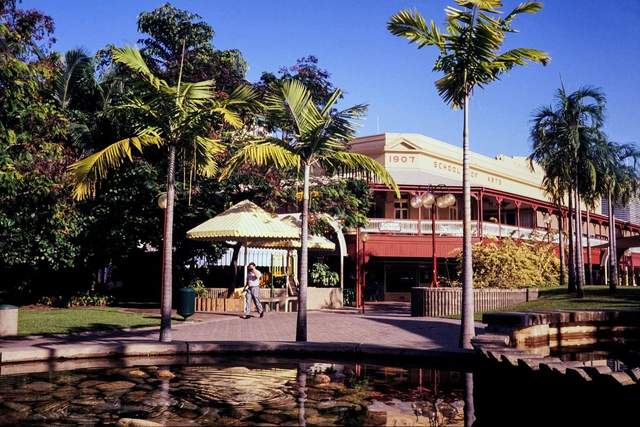
Cairns is the busier of the two, and that is mostly an advantage: more boats leave from here each morning than anywhere else on the reef, which means more formats (big catamarans, small-group sailing trips, family pontoons) and more price points. Trips typically visit reefs like Norman, Hastings, Michaelmas and Moore, along with the fringing reef around Green Island and Fitzroy Island — all solid snorkelling, if a touch closer to shore than Port Douglas's outer reef runs. The Esplanade waterfront gives Cairns a livelier evening than Port Douglas, with restaurants, bars and night markets that stay busy well after the boats are back.
Port Douglas: closer to the outer reef
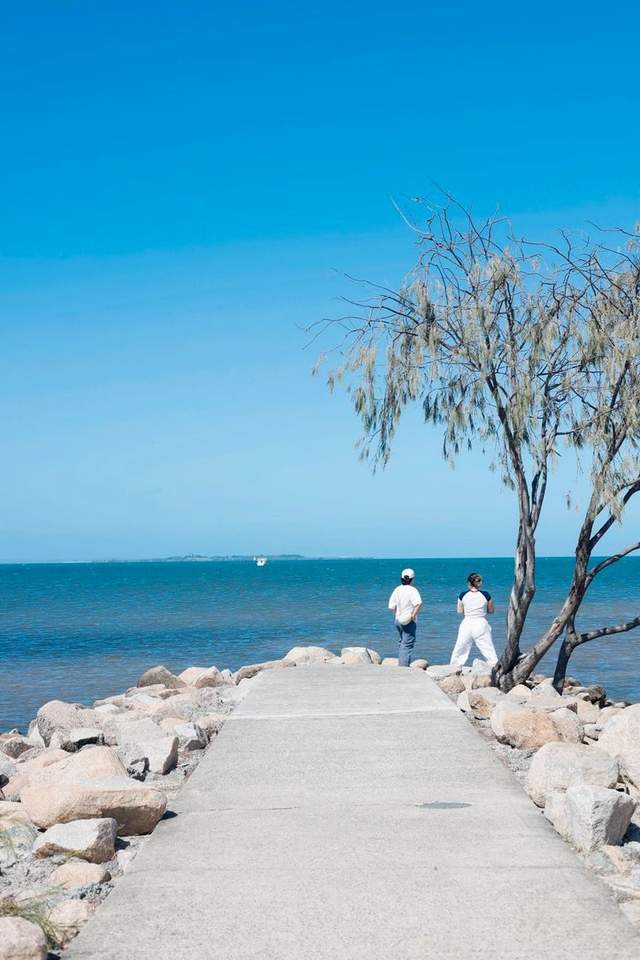
Port Douglas trades big-city buzz for proximity: its boats run out to the Agincourt Ribbon Reefs, one of the most pristine sections of the Great Barrier Reef accessible from the mainland, with visibility that regularly reaches 20 to 30 metres on a calm day. The nearby Low Isles — a small coral cay just offshore — add a sheltered, shallow-water option with resident green and hawksbill turtles, well suited to nervous swimmers and families. The town itself is quieter: Macrossan Street runs to boutique restaurants and cafes rather than backpacker bars, and reef boats here tend to be smaller, with a more personal, guided feel on the water.
Which one fits your trip
Choose Cairns if
You want the widest range of tour prices and formats, you're travelling as a bigger group, or you'd rather have a lively base with plenty to do once you're back on land. Cairns is also the more convenient base if you're combining the reef with rainforest day trips or an international flight in and out.
Choose Port Douglas if
Snorkel quality is the priority — clearer water and less time spent travelling to the outer reef — or you want a quieter, more couple- or family-friendly base. It suits travellers happy to pay a little more for a calmer marina and a smaller group on the water.
What a guide unlocks here
The reef itself does not change much between the two towns; what changes is how much local knowledge stands between you and a good day. A guide in the water on either trip finds far more than a solo snorkeller would — the turtle resting under a ledge, the better-visibility side of a bommie, the safe line back to the boat when current picks up. Guides also carry the season-specific knowledge that keeps a reef day safe rather than merely scenic: which moorings are sheltered on a blustery morning, how to fit a stinger suit properly in summer, and honest calls on whether today's conditions suit a nervous swimmer. Whichever town you choose, the operators that put a guide in the water with you — rather than just dropping anchor and pointing — are worth paying the difference for.
Costs and logistics
Reef day trips from both towns run seven to nine hours door to door and include gear, lunch and reef fees, so budget for a full day out rather than a half-day excursion. Port Douglas trips generally cost a little more for the shorter run to clearer water and smaller groups; Cairns has the wider spread, from budget pontoon days to premium small-boat charters. Both towns are about the same distance from Cairns Airport — Port Douglas adds roughly an hour's drive north, which is worth weighing if your trip is short.
Your reef day: the day plan
What a well-run outer-reef day looks like from either town:
| Time | The plan |
|---|---|
| 7:00 | Marina check-in and boarding. Sunscreen on before you leave the dock |
| 7:30–9:00 | Steam out to the reef, briefing and stinger-suit fitting in season |
| 9:00–11:00 | First site — join the guided snorkel safari on the first circuit |
| 11:00–13:00 | Lunch on board while repositioning to the second mooring |
| 13:00–15:00 | Second site, longer and more relaxed |
| 15:30–17:00 | Return steam; log the day's sightings with the crew |
| Evening | Cairns: the Esplanade. Port Douglas: Macrossan Street and an early night |
Book the reef day for early in your stay in either town — weather rebookings are routine on the Great Barrier Reef — and keep a spare day free so a blown-out trip becomes a rescheduled one, not a lost one.
Frequently asked questions
Is Port Douglas really better for snorkelling than Cairns?
For snorkel quality specifically, yes on average — its boats reach the outer Ribbon Reefs faster and the water there tends to run clearer. Cairns still has good snorkelling on its own reefs, and the gap narrows on a calm day. The bigger difference between the towns is atmosphere and choice, not whether either one shows you a healthy reef.
Which is closer to the airport, Cairns or Port Douglas?
Cairns is at the airport; Port Douglas is about an hour's drive north along a scenic coastal road. For a short trip, staying in Cairns saves transfer time. For a longer stay, the drive is a minor cost against a quieter base and shorter boat runs to the outer reef.
When is the best time to snorkel from either town?
May through October is the dry season for both: calmer seas, clearer water and marine stingers absent from the water. November through April is wetter and warmer, with stinger suits provided as standard on every reef boat — the open water above the reef is a different environment from the inshore beaches where stinger risk is highest.
Can beginners and non-swimmers snorkel from both towns?
Yes. Cairns' reef pontoons and Port Douglas's Low Isles trips are both built around sheltered, roped snorkel areas and flotation gear for nervous swimmers. If you are a genuinely weak swimmer, say so when booking — crews on both routes deal with first-timers every day and can match you to the calmest option available that morning.