

Queenstown or Rotorua for Mountain Biking?
14 September 2026
· By the HiyaGuide team
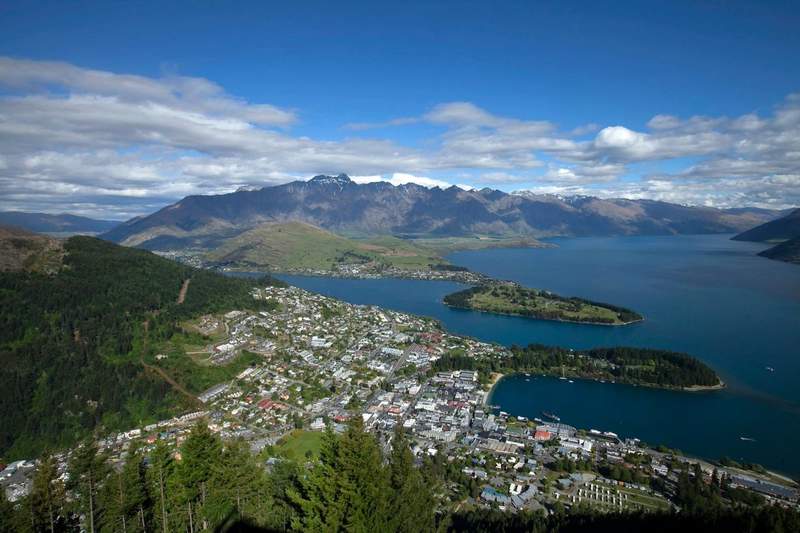
Photo by Jeffry Surianto on Pexels
Rotorua wins on trail depth: the Whakarewarewa Forest holds well over 100 kilometres of purpose-built singletrack that rides in nearly any weather, on volcanic soil that drains fast. Choose Queenstown instead if alpine scenery and a wider adventure trip matter as much as the riding itself — its gondola-served descents and second bike park sit inside a town built for filling every other hour too. The two are a short flight apart, so a longer New Zealand trip can realistically take in both.
How the two trail networks compare
| Rotorua | Queenstown | |
|---|---|---|
| Main trail network | Whakarewarewa Forest ("the Redwoods") | Ben Lomond Trails, plus Seven Mile Bike Park |
| Character | Flowing forest singletrack, beginner loops to expert descents | Steep gondola-served downhill and alpine views, plus a dedicated jump park |
| Terrain | Forest, mostly gentle elevation, easy to link long days | Alpine, steeper access, bigger vertical drop |
| Riding season | Volcanic soil drains fast — rideable most days, wet or dry, year-round | Full network open year-round below the snowline; gondola uplift runs roughly late September to May |
| Town after riding | Lakeside, geothermal attractions, food | Bars, restaurants, other adventure sports |
The split that matters: Rotorua is built entirely around its trail network; Queenstown is a full adventure-sports base where mountain biking is one very good reason to visit.
Rotorua: New Zealand's mountain biking capital
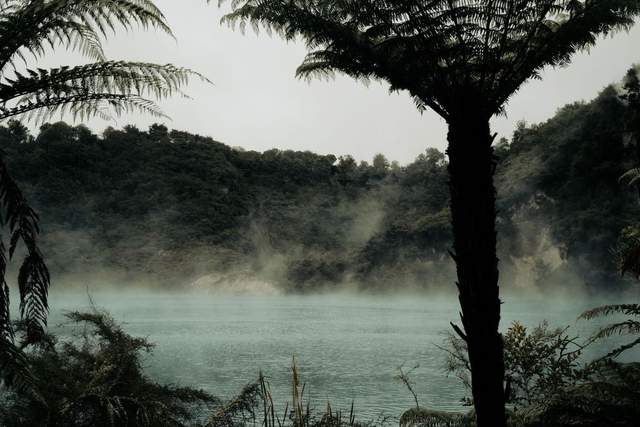
The Whakarewarewa Forest, just five minutes from downtown Rotorua, is the reason the town is regarded as the country's mountain biking capital: a purpose-built network of well over 100 kilometres of singletrack winding through redwood and native forest, with routes graded from gentle beginner loops to genuine expert-grade descents. The 33-kilometre Whakarewarewa Forest Loop links much of the network into one long day for riders who want distance rather than technical difficulty, while dozens of shorter named trails let a rider build a custom loop matched to the day's legs. The forest's volcanic soil is the real edge over almost anywhere else in the country: it drains fast enough that trails stay rideable the morning after heavy rain, when most other networks turn to mud. An in-town gondola bike park adds lift-served downhill runs for riders who want gravity without the pedal back up. The trade-off is that the terrain itself is gentler than Queenstown's — Rotorua rewards trail volume and flow over big alpine exposure.
Queenstown: alpine descents and a bigger trip
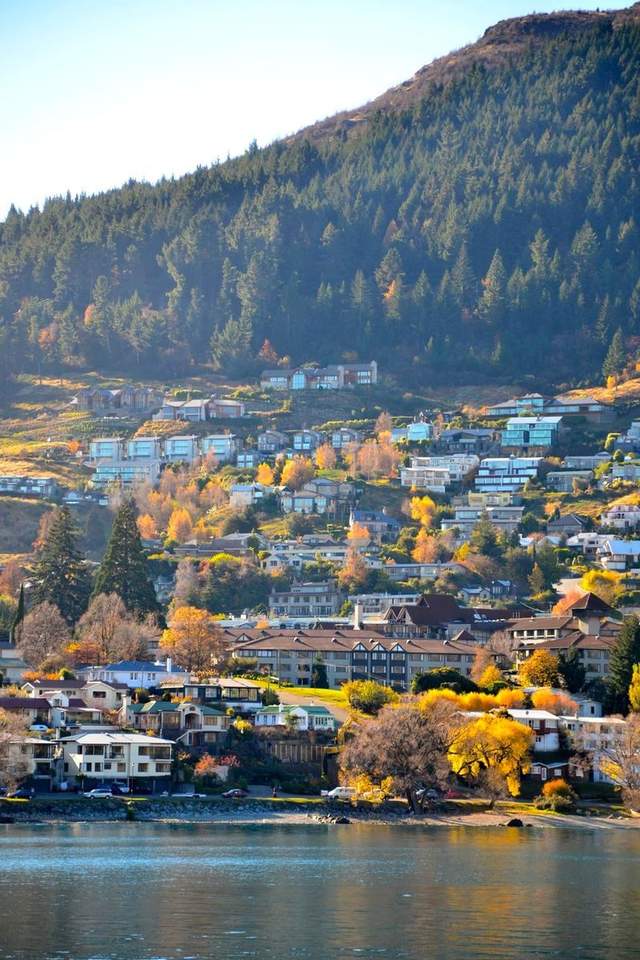
The Ben Lomond Trails, a gondola-accessed network above town with more than 30 trails and around 450 metres of vertical descent, put steep, view-heavy downhill within a short ride of Queenstown's main street — hitch a lift up on the gondola through the main season, or pedal the access road year-round for free vertical. Seven Mile Bike Park, about seven miles out on the Glenorchy road, adds a different style entirely: flowing cross-country and enduro trails built around jumps, banked corners and log rides, pitched so a mixed group of beginners and advanced riders can each find their own loop. Neither network matches Rotorua's total trail kilometres, but the terrain sits in genuinely alpine country, with Lake Wakatipu and the Remarkables as the backdrop on nearly every descent. Queenstown's real edge is everything around the riding: an international airport in town, and enough bars, restaurants and other adventure sports — jet boating, paragliding, whitewater rafting — to fill every hour that isn't spent on the bike.
Which one fits your trip
Choose Rotorua if
The riding itself is the trip — a bigger network, gentler terrain that suits building fitness and skill over several days, and trails that stay open through weather that would shut down most other places in the country.
Choose Queenstown if
Alpine scenery and a wider adventure-sports trip matter alongside the riding, or the group wants big gondola-served descents without giving up an international airport and a lively town at the end of the day.
What a guide unlocks on either network
Both towns sell trail access and bike hire to anyone, so nothing stops a confident rider from heading out alone on a marked loop. Where a guide earns its cost is speed and safety: Whakarewarewa Forest's dozens of named, similarly graded trails are genuinely disorientating on a first visit, and a guide who rides the forest regularly can string together a loop matched to today's fitness and the current state of the soil after rain, rather than the rider discovering a trail is over their head halfway down it. In Queenstown, the Ben Lomond Trails' steeper descents carry real exposure for anyone still building downhill technique, and a guide reads which lines suit a rider's current skill rather than the trail's official grade alone. A guide also shortcuts the local knowledge that takes visiting riders days to pick up on their own — which loop is quietest at a given hour, which trail is best avoided the morning after rain, and how to sequence a first day so confidence builds instead of getting shaken on a trail pitched too hard too soon. Riders already comfortable reading trail grades and current conditions can self-guide either town without trouble; going guided pays off most on a first visit, in a mixed-ability group, or straight after rain has changed what's actually rideable.
Getting between the two
Rotorua and Queenstown sit at opposite ends of the North and South Islands, roughly two and a half hours apart by direct flight with a change, or considerably longer overland — there's no realistic same-day link between them, so a trip covering both means treating them as separate legs rather than a side trip. Riders planning around either destination's weather are best served checking MetService before locking in trail days, since a wet forecast changes very little in Rotorua's fast-draining forest but can close gondola uplift or turn Queenstown's steeper clay sections greasy. More detail on trail options in each town sits on New Zealand's official mountain biking guide to Queenstown and its Rotorua mountain biking feature.
Your Redwoods day: the day plan
A first day tuned for a rider who wants to see the range of what Whakarewarewa Forest offers without getting lost in it:
| Time | The plan |
|---|---|
| 8:30 | Check overnight rain and trail conditions before setting out |
| 9:00 | A guided loop through graded beginner and intermediate trails to learn the layout |
| 12:00 | Lunch at the forest's trailhead hub |
| 13:00 | Free riding on trails matched to the morning's pace, working toward the harder grades |
| 15:30 | One long flow trail back toward the trailhead to finish on a high |
| 16:30 | Bikes cleaned and gear returned before the afternoon crowd arrives |
Build in a spare half-day if the trip allows it — a heavy overnight downpour rarely closes Rotorua's trails outright, but it can still soften a technical descent enough to be worth swapping for an easier loop that morning.
Frequently asked questions
Is Queenstown or Rotorua better for mountain biking?
Rotorua has the bigger, more established trail network — Whakarewarewa Forest's fast-draining volcanic soil and well over 100 kilometres of singletrack make it the country's most complete mountain biking destination on riding alone. Queenstown counters with genuinely alpine terrain, gondola-served descents and a much bigger trip around the riding, including an international airport and other adventure sports. Neither is the wrong choice; it depends on whether the trails or the wider trip matter more.
How far apart are Queenstown and Rotorua?
They sit at opposite ends of New Zealand, roughly two and a half hours apart on a direct flight with a connection, and considerably further overland. There's no practical day-trip link between them, so a visit to both means budgeting separate legs of a longer trip rather than a side excursion.
When is the best time to mountain bike in Rotorua and Queenstown?
Rotorua's forest rides year-round thanks to its fast-draining soil, though a spell of heavy rain can still soften technical sections for a day or two. Queenstown's full trail network is open year-round below the snowline, but gondola-assisted uplift runs roughly late September to May, with the shoulder months either side of the busy summer offering the quietest trails and mildest weather.
Is Rotorua or Queenstown mountain biking suitable for beginners?
Both towns have dedicated beginner terrain. Rotorua's Whakarewarewa Forest carries graded, well-signed beginner and intermediate loops built specifically for progression, and its gentler forest terrain suits a first-timer well. Seven Mile Bike Park near Queenstown is built the same way, with flowing trails pitched below the steeper Ben Lomond descents, making it the easier of Queenstown's two networks for a new rider to start on.
Do I need a guide to mountain bike in Rotorua or Queenstown?
Not for a marked trail within your ability — both networks are open to anyone with a bike and a trail pass. A guide earns its cost on a first visit to either forest, where the sheer number of similarly graded trails is disorientating, and on Queenstown's steeper alpine descents, where reading a line suited to your current skill matters more than the trail's official grade.