

Kayaking in Sydney: Where to Paddle and When
1 September 2026
· By the HiyaGuide team
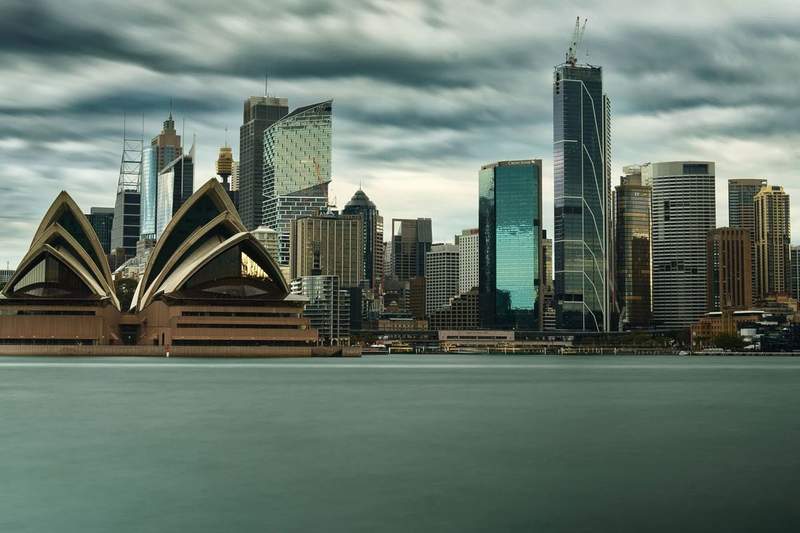
Photo by Federico Abis on Pexels
Sydney is one of the few cities on Earth where a kayak puts you eye-level with a genuine landmark harbour, and the paddling splits three ways: the open harbour itself, the quieter arms running off it, and the ocean beaches beyond the heads. Middle Harbour and the Lane Cove River suit a first outing; the main harbour rewards a guide who reads its traffic and currents. Spring and autumn bring the calmest water.
Why Sydney's harbour is a paddler's dream
Most harbour cities have a working port somewhere in the background. Sydney's harbour is the city — the Opera House, the Harbour Bridge and dozens of sandstone headlands and beaches sit directly on the water, which means a kayak gets you closer to the skyline than almost any other way of seeing it. The drowned river valleys that make up the harbour also mean the paddling itself is varied: open water near the bridge, sheltered coves further in, and mangrove-lined creeks at the tidal limits, all within a single afternoon's reach.
It is a working harbour too, and that is the trade-off. Ferries, water taxis and pleasure boats use the same water a kayaker does, and wakes, wind and tidal current can turn a calm-looking paddle choppy within minutes. Sydney rewards paddlers who respect that rather than those who assume "harbour" means "sheltered."
Coastal and sea kayaking — how it works here
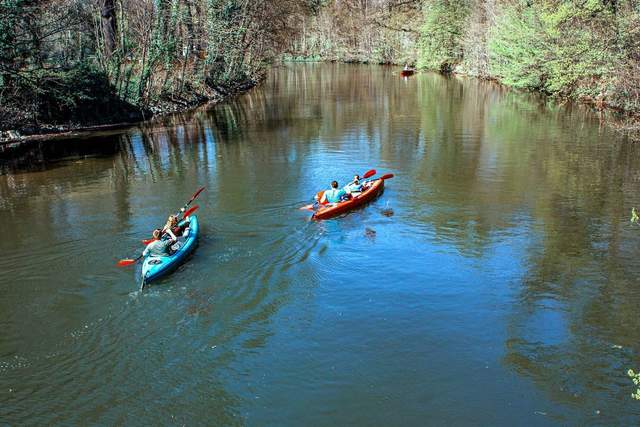
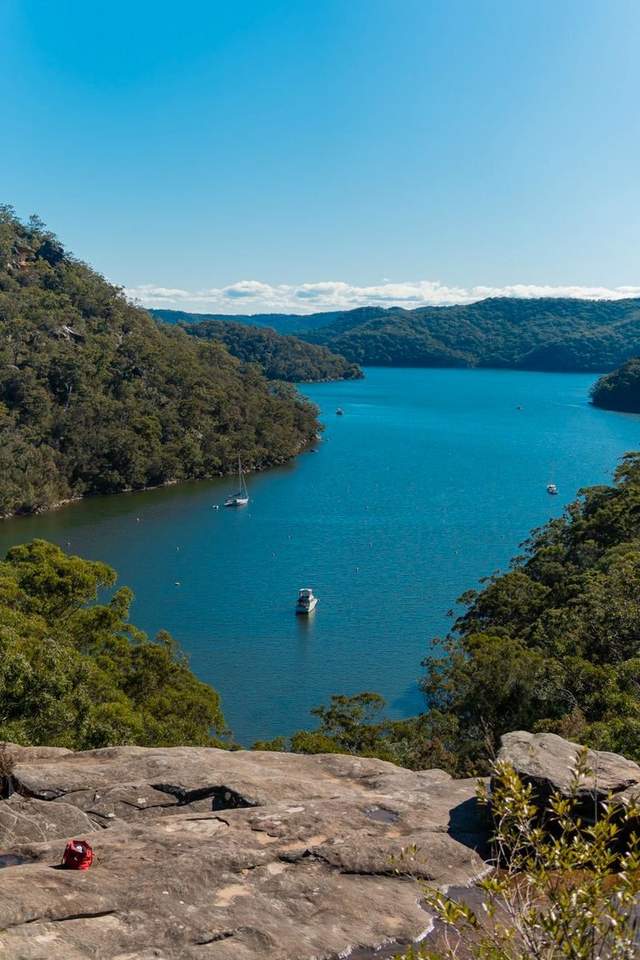
Sydney's paddling is built on two disciplines: coastal touring inside the harbour's coves and inlets, and sea kayaking on the more exposed stretches near the heads and along the open coast. Coastal paddling is the easier entry point — flat water, short crossings, plenty of places to put ashore — and it is where almost every first-timer starts. Sea kayaking asks more: reading swell at the harbour entrance, timing a crossing against the tide, judging when wind against tide has turned a stretch of open water genuinely rough. Both are taught here, and the step from one to the other is exactly the kind of thing a guided course exists to shorten safely.
Where locals put in
| Launch point | Character | Best for |
|---|---|---|
| Middle Harbour (Spit Bridge) | Sheltered coves, sunken wrecks, houseboats | First-timers, families, a lazy half-day |
| Manly Cove / North Harbour | Calm cove opening to ocean beaches | Combining a harbour paddle with a beach day |
| Lane Cove River | Freshwater upper reaches inside bushland national park | A quiet, current-free paddle away from boat traffic |
| Rose Bay / Rushcutters Bay | Central, close to the city skyline | City views, short paddles, easy hire access |
| Georges River | Bushy, narrow, well south of the CBD | Wildlife and quiet water without the harbour crowds |
Middle Harbour is the most rewarding single stretch for a first Sydney paddle: it winds past Aboriginal fish traps, old houseboats and the Spit Bridge without ever feeling exposed to open water. The main harbour, by contrast, is where the postcard views live but also where ferry wakes and boat traffic are heaviest — it suits a paddler who already has some confidence, or a guided group that can read the traffic for you.
When to go
| Season | Conditions | The trade-off |
|---|---|---|
| Spring (Sep–Nov) | Calm water, mild air, light winds | The best all-round window |
| Summer (Dec–Feb) | Warm and long days, but wind builds by midday | Paddle early morning before the sea breeze fills in |
| Autumn (Mar–May) | Settled and calm, water still warm | As good as spring, with fewer crowds |
| Winter (Jun–Aug) | Cool, crisp mornings, quieter water | Dress in layers; plenty still paddle through it |
Spring and autumn are the sweet spot: the water stays calm and the wind hasn't picked up yet. Summer is still popular, since the days are long, but Sydney's afternoon sea breeze is a real factor — starting early makes the difference between a glassy paddle and a headwind home. Whatever the season, check a proper marine forecast before heading out: the Bureau of Meteorology's Sydney enclosed-waters forecast covers the harbour specifically, and it is worth knowing that wind gusts can run well above the forecast average.
What a guide unlocks here
A map makes Sydney Harbour look sheltered. On the water it is busy and exposed in ways a first-time visitor won't see coming — ferry wakes arrive from angles you didn't expect, tidal current runs harder through the narrows than it looks, and the gap between a calm morning and a choppy afternoon can be an hour of wind building. A guide reads all of that before you feel it: which crossing to take before the ferry schedule gets busy, which cove is sheltered when the sea breeze fills in, and where the current will actually help rather than fight the return leg. Guided trips also open water a solo paddler would reasonably avoid — the harbour islands, the mouth of Middle Harbour, an early start timed to sunrise light on the bridge — because there is someone alongside who has paddled that stretch a hundred times before. For a first Sydney paddle, or a first time in open coastal water at all, going guided is the difference between a nervous hour and a comfortable one.
Costs, gear and how a day works
A half-day guided paddle is the standard format: a couple of hours on the water, a briefing before you launch, and all gear supplied — kayak, paddle, buoyancy vest and a dry bag for anything you don't want wet. Self-guided hire is cheaper and widely available around Rose Bay, Rushcutters Bay and the Lane Cove River, and suits confident paddlers sticking to sheltered water. Sunrise trips are a genuine Sydney specialty: the water is at its calmest, the light on the bridge and Opera House is dramatic, and the ferries haven't started their morning runs yet.
Beyond the paddle
Sydney's water doesn't stop at kayaking. The same harbour and coastline that make the paddling good also make it one of Australia's best all-round water cities: surfing at the ocean beaches beyond the heads, sailing on the open harbour, and scuba diving around the harbour's rocky points and wrecks. A rest day on land is well spent on the coastal hiking tracks that trace the harbour foreshore, including trails through Sydney Harbour National Park past Aboriginal engravings and old gun emplacements — see NSW National Parks' guide to the park for access points.
Your paddle day: the day plan
A well-run Sydney kayaking day, from launch to sundowner:
| Time | The plan |
|---|---|
| 6:30 | Sunrise launch — calmest water and best light of the day |
| 7:00–9:00 | Guided paddle through the coves, before ferry traffic builds |
| 9:00 | Land for coffee near the launch point |
| Midday | Free time — swim, walk a foreshore track, or hire again for a solo paddle in sheltered water |
| Late afternoon | A second short paddle if the wind has stayed light, otherwise save it for tomorrow's sunrise |
| Evening | Dinner looking back over the water you paddled that morning |
Book the sunrise slot if only one paddle fits the trip — it is consistently the calmest water of the day — and keep a second morning free in case wind pushes the first booking back.
Frequently asked questions
Do I need experience to kayak in Sydney Harbour?
Not for the sheltered stretches — Middle Harbour, the Lane Cove River and the coves around Rose Bay are flat, forgiving water suited to complete beginners. The main harbour and anywhere near the heads is a different matter: ferry traffic, wakes and tidal current make it genuinely more demanding, and a guide is the sensible way to see that part of the harbour for the first time.
When is the best time of year to kayak in Sydney?
Spring and autumn offer the calmest water and mildest weather, which makes them the best all-round window. Summer works well too if you start early, before the afternoon sea breeze builds. Winter mornings are cool but often glassy calm, and plenty of locals paddle year-round with the right layers.
Is Sydney Harbour safe for kayaking?
It can be, but it is busier and more exposed than it looks from land. Ferry wakes, boat traffic and tidal currents are real hazards in the main harbour, and conditions can shift within an hour. Checking a marine forecast before launching, sticking to sheltered water when solo, and going guided for anything near the heads or open coast are the practical ways to keep the risk low.
Can I hire a kayak without a guide?
Yes — self-guided hire is widely available around Rose Bay, Rushcutters Bay and the Lane Cove River, and it suits confident paddlers who stick to sheltered, flat water. For the main harbour, sunrise light, or anywhere near open coast, a guided trip is the better choice: the water there is more exposed than it looks, and local knowledge of currents and boat traffic matters.
What should I bring on a Sydney kayaking trip?
Guided trips typically supply the kayak, paddle and buoyancy vest, so pack for the conditions rather than the gear: sun protection, a hat, a change of clothes, and a dry bag or waterproof phone pouch for anything you want to keep dry. Reef-safe sunscreen and an early start matter more in summer, when the UV and the wind both build through the day.