

The Best Places for Fishing in Australia
5 October 2026
· By the HiyaGuide team
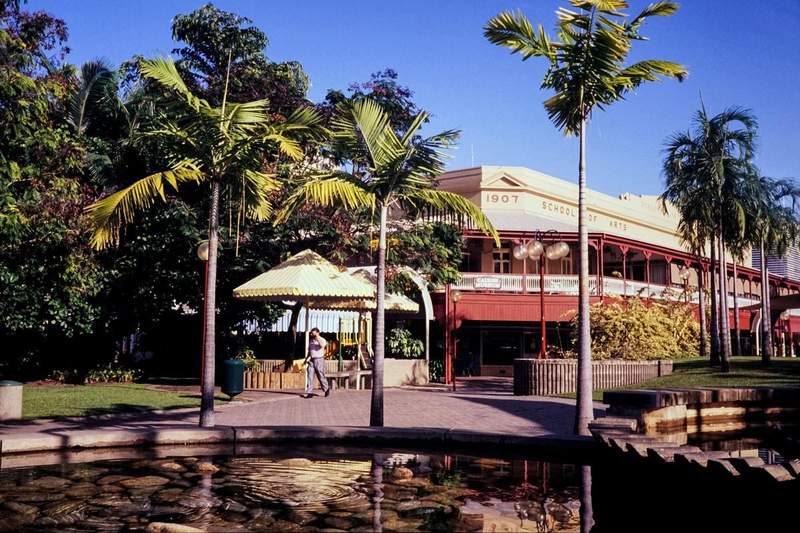
Photo by pierre matile on Pexels
Cairns is Australia's standout fishing base: the Ribbon Reefs offshore produce more grander black marlin — fish over 1,000 pounds — than anywhere else on earth. Port Douglas sits closer still to that same reef system, Exmouth adds Ningaloo's full run of billfish, Darwin and Broome are the country's barramundi heartland, Hobart anchors southern bluefin tuna fishing, and Jindabyne holds mainland Australia's best trout water. The right base depends entirely on which fish you're chasing.
How the seven compare
| Base | Water | Signature fish | Best months |
|---|---|---|---|
| Cairns | Offshore reef | Grander black marlin | September to December |
| Port Douglas | Offshore reef | Black marlin, sailfish | September to December |
| Exmouth | Offshore reef | Black, blue and striped marlin, sailfish | September to May |
| Darwin | Estuary, river | Barramundi | February to May, plus the build-up |
| Broome | Creek, tidal flat | Barramundi, sailfish | April to October (dry season) |
| Hobart | Offshore, coastal | Southern bluefin tuna | December to June |
| Jindabyne | Lake, river | Brown and rainbow trout | October to April |
How we chose this list
"Best" here means where the fishing itself has a genuine international reputation, cross-checked against marine park authorities and fishing publications rather than our own hunches — not which base is biggest or easiest to fly into. Cairns and Port Douglas lead because no other fishery on the planet produces as many 1,000-pound-plus black marlin; Exmouth, Darwin, Broome, Hobart and Jindabyne each hold a genuinely national-calibre fishery for a different species. The list is limited to towns HiyaGuide covers, so it skips smaller-known spots with no real town behind them.
What a guide unlocks on Australian water
Australian fishing rewards experience you can't buy in a tackle shop. Offshore marlin crews read bird work, current lines and bait balls that look like empty ocean to anyone else, and heavy-tackle technique for a fish that can outweigh the angler is not something to improvise. Barramundi in the Top End hold in snags and billabongs that shift with every tide and every wet-season flood, and a local skipper knows which creek is fishing today rather than last month. Trout in alpine lakes sit in lies that change with light and water clarity through the day. A confident angler with their own gear can fish accessible shore and lake water solo; offshore game fishing, remote barramundi country and technical river trout are where a guide turns an expensive day into a productive one — and, on an ocean swell three hours from the boat ramp, into a safer one too.
Cairns: the world's black marlin capital
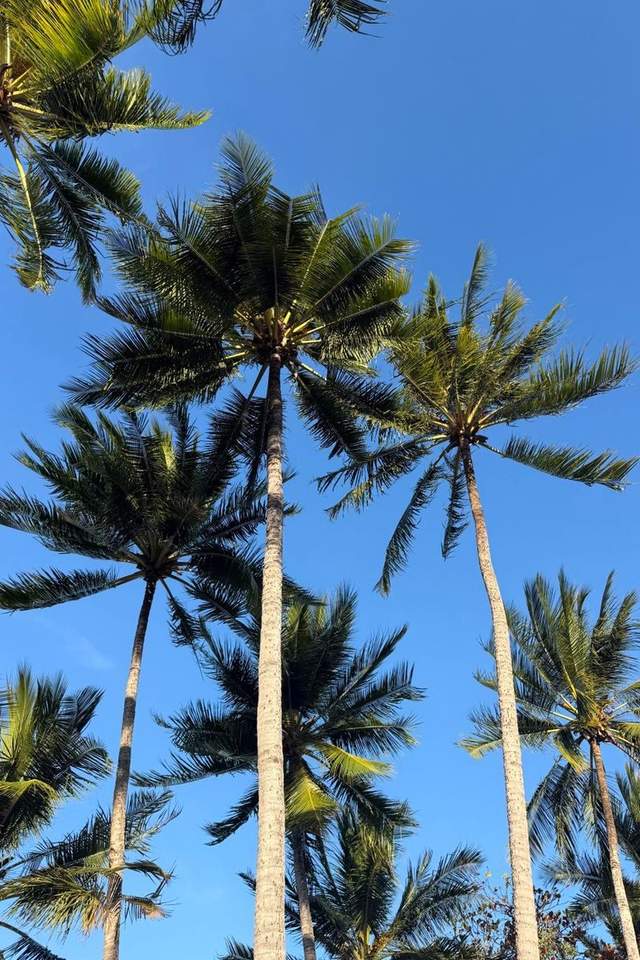
Cairns has been the undisputed centre of black marlin fishing since 1966, when the first grander — a fish over 1,000 pounds — was landed on the Ribbon Reefs offshore. The reef system between Cairns and Lizard Island still produces more granders in a season than every other black marlin fishery in the world combined, and heavy-tackle crews chase big females against the reef face as they move in to spawn.
The season runs mid-September to early December, with the biggest fish typically showing in October and November. Access to the Ribbon Reefs' seasonal fishing areas is managed by the Great Barrier Reef Marine Park Authority, which sets the zoning a charter skipper navigates daily. More on the city at Cairns, and the sport nationwide at the fishing hub.
Port Douglas: closer to the Ribbon Reefs
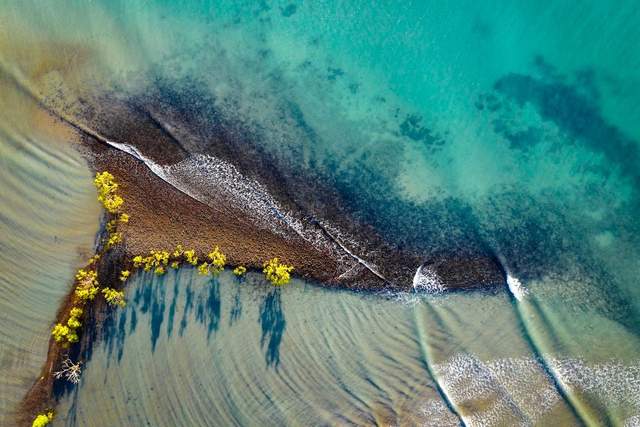
Port Douglas fishes the same Ribbon Reefs fishery as Cairns, with one practical advantage: the reef and Lizard Island sit noticeably closer, which shortens the run for a day boat and matters on a heavy-tackle charter. Sailfish add to the black marlin fishing here, with spikes in numbers either side of the main marlin season.
The quieter marina and shorter steam to the fishing grounds suit anglers who want maximum time with lines in the water rather than in transit. Plan the trip from Port Douglas.
Exmouth: every Australian billfish in one place
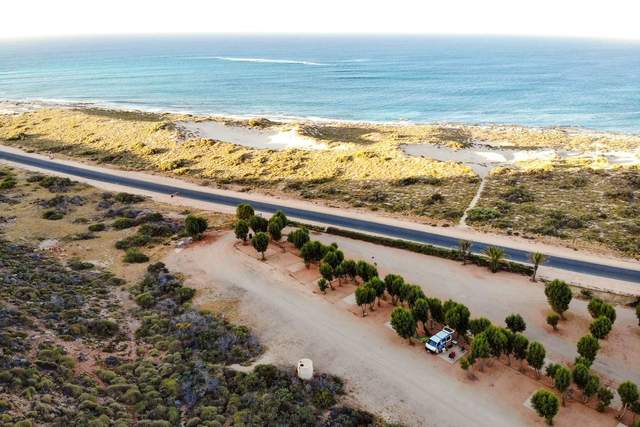
Exmouth sits beside Ningaloo Reef and is the only base on this list where all six Australian billfish — black, blue and striped marlin, sailfish, swordfish and shortbill spearfish — turn up in a single season, which makes a true grand slam a realistic goal here. Blue marlin peak from November to February, black marlin run stronger from March through August, and sailfish spike from October to December, so the overlap keeps the fishing going almost year-round.
Recreational fishing is permitted through most of the Ningaloo Marine Park outside its sanctuary zones. More at Exmouth.
Darwin: the barramundi capital of the Top End
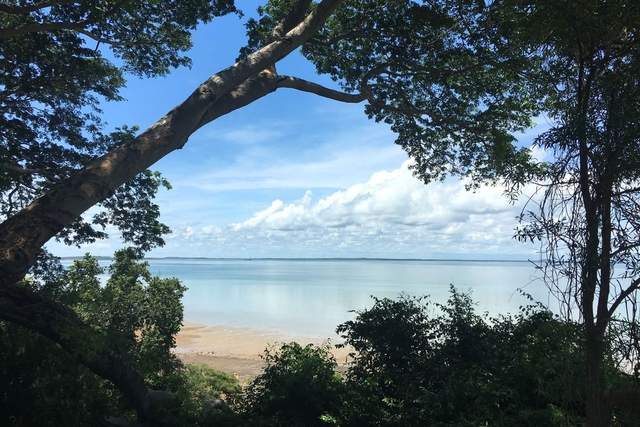
Darwin is the trailhead for Australia's most famous sportfish. The Mary and Daly Rivers, both under two hours' drive, hold barramundi that can leap, run and shake a hook loose better than almost anything else that swims, and the Top End's run-off season — as the wet season's floodwaters recede from February to May — pushes big fish into the creek mouths and billabongs where they're easiest to find.
Size and possession limits tighten in specific management zones; the Northern Territory Government sets the rules a guide already knows by heart. The pre-monsoon build-up (October to December) is the other season worth planning around, when humidity and bite activity both climb. Details at Darwin.
Broome: remote Kimberley barramundi and sailfish
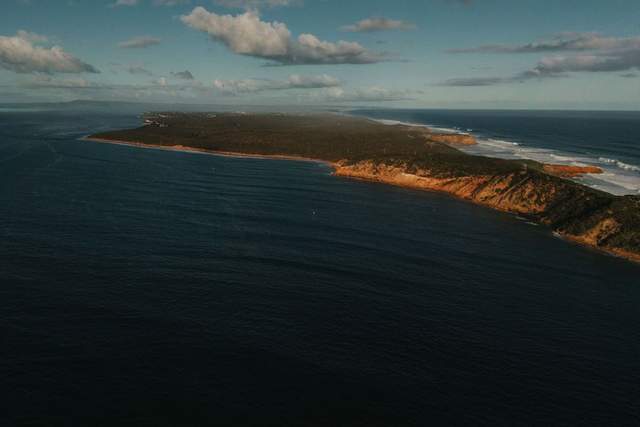
Broome is the gateway to the Kimberley, a stretch of mangrove-lined creeks and tidal flats regarded as home to some of the best barramundi fishing anywhere in the country, alongside a sailfish fishery good enough that doubles and triples hooked at once are unremarkable. The country here is as remote as the fishing is good — much of it is reachable only by boat.
The dry season from April to October is the reliable window, when stable weather and clear tides make boat access straightforward. More at Broome.
Hobart: southern bluefin tuna on the doorstep
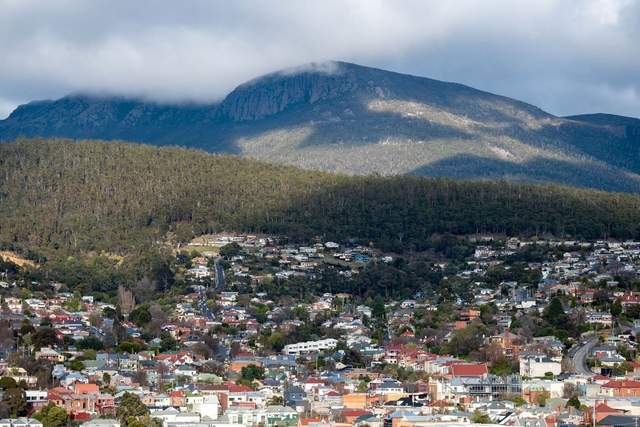
Hobart anchors Tasmania's game-fishing season, with St Helens and Eaglehawk Neck on the east coast the state's hotspots for southern bluefin tuna. School-size fish start showing from December, and bigger bluefin and yellowfin peak in size through March and April — a genuinely different target from anything further north, caught in noticeably colder water.
The broader season runs December through June, with the inshore action typically building by February. More on the city at Hobart.
Jindabyne: mainland Australia's best trout water
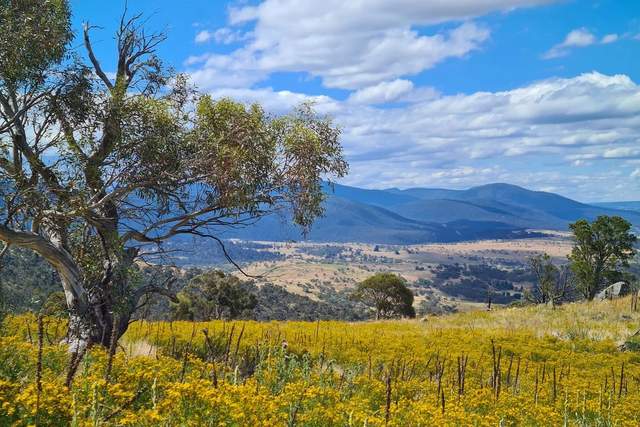
Jindabyne is the freshwater outlier on this list. Lake Jindabyne, fed by the Thredbo, Snowy and Eucumbene rivers, holds brown and rainbow trout in numbers and sizes that make the Snowy Mountains high country arguably the best trout fishing on the Australian mainland, with sight-fishing and dry-fly opportunities building through the warmer months as mayfly and caddis hatches thicken.
The season runs October to April, with the clearest sight-fishing in late summer when the lake settles. More at Jindabyne.
Which one should you choose?
Cairns for the single best shot at a grander black marlin, and the most established charter fleet to chase one with. Port Douglas for the same fishery with less time spent getting there. Exmouth if a billfish grand slam across several species is the goal. Darwin and Broome for barramundi — Darwin for easier access from a bigger town, Broome for the wilder, more remote Kimberley country. Hobart for a cold-water game-fishing season nothing else on this list offers. Jindabyne for trout rather than anything saltwater, paired naturally with a wider Snowy Mountains trip.
A one-week itinerary
A week built around Tropical North Queensland's marlin season, the single strongest fishery on this list:
| Day | Base | The plan |
|---|---|---|
| 1 | Cairns | Settle in, gear check, an easy reef day to find your sea legs |
| 2–3 | Cairns | Heavy-tackle marlin days on the Ribbon Reefs, guided — this is not a fishery to improvise |
| 4 | Port Douglas | Drive north; an afternoon on the shorter run to the same reef system |
| 5 | Port Douglas | A sailfish-focused day while the marlin crew rests the gear |
| 6 | Travel | Buffer day for weather — marlin charters lose days to wind more than any other fishery here |
| 7 | Depart | Or extend to Darwin for a complete change of pace chasing barramundi instead |
Book marlin season charters well ahead — the best skippers fill their September-to-December calendar early, and a buffer day protects the trip from the one or two days most weeks lose to wind.
Frequently asked questions
What is the best time of year for fishing in Australia?
It depends entirely on the fish. Cairns and Port Douglas peak for black marlin from September to December; Exmouth's billfish season runs nearly year-round across several species; Darwin's barramundi fish best in the February-to-May run-off; Broome's dry season of April to October is its reliable window; Hobart's bluefin tuna run December to June; and Jindabyne's trout season is October to April.
Do you need a guide for fishing in Australia?
Shore and lake fishing with your own gear is fine to do solo if you already fish. Heavy-tackle offshore marlin, barramundi in remote Top End and Kimberley country, and technical trout water all reward a guide who fishes that water every week — and offshore game fishing a long way from the boat ramp is also where a guide is a genuine safety margin, not a luxury.
Where is the best place to catch a black marlin in Australia?
The Ribbon Reefs between Cairns and Lizard Island, fished from either Cairns or Port Douglas. No other fishery in the world produces as many grander black marlin — fish over 1,000 pounds — in a season, and the reputation goes back to the first grander landed there in 1966.
Is barramundi fishing better in Darwin or Broome?
Both are excellent for different reasons. Darwin is easier to reach and base from, with the Mary and Daly Rivers under two hours away. Broome's Kimberley country is wilder and more remote, with fishing regarded as among the country's best, but much of it is boat-access only.
Can beginners fish in Australia without a licence?
Saltwater fishing generally needs no licence anywhere on this list, though bag and size limits apply and tighten in specific management zones. Freshwater trout fishing around Jindabyne requires a New South Wales recreational fishing licence. A guided charter or a licensed guide typically handles this paperwork on your behalf either way.